


Introduction
Logistics automation ROI for a small shipper is real and measurable: most SMBs recover the cost of a digital platform within the first few months through reduced quoting time and lower freight rates. The financial case does not depend on enterprise-scale volume; it depends on eliminating the manual friction that quietly drains hours and margin from every shipment. For businesses shipping 1 to 8 pallets at a time across Quebec and Ontario, the shift from phone-and-email booking to a transparent digital process changes the unit economics of every load. The problem is that most owners never measure what manual booking actually costs them. Once that number is on the table, the decision stops being about technology and starts being about margin.
Key Takeaways:
Small shippers typically recover the cost of a digital freight platform within months through faster quoting and lower carrier rates.
The biggest returns come from eliminated admin hours, fewer billing errors, and instant rate comparison rather than volume discounts.
A simple before-and-after calculation of time, rate, and error costs reveals whether automation is worth it for your operation.
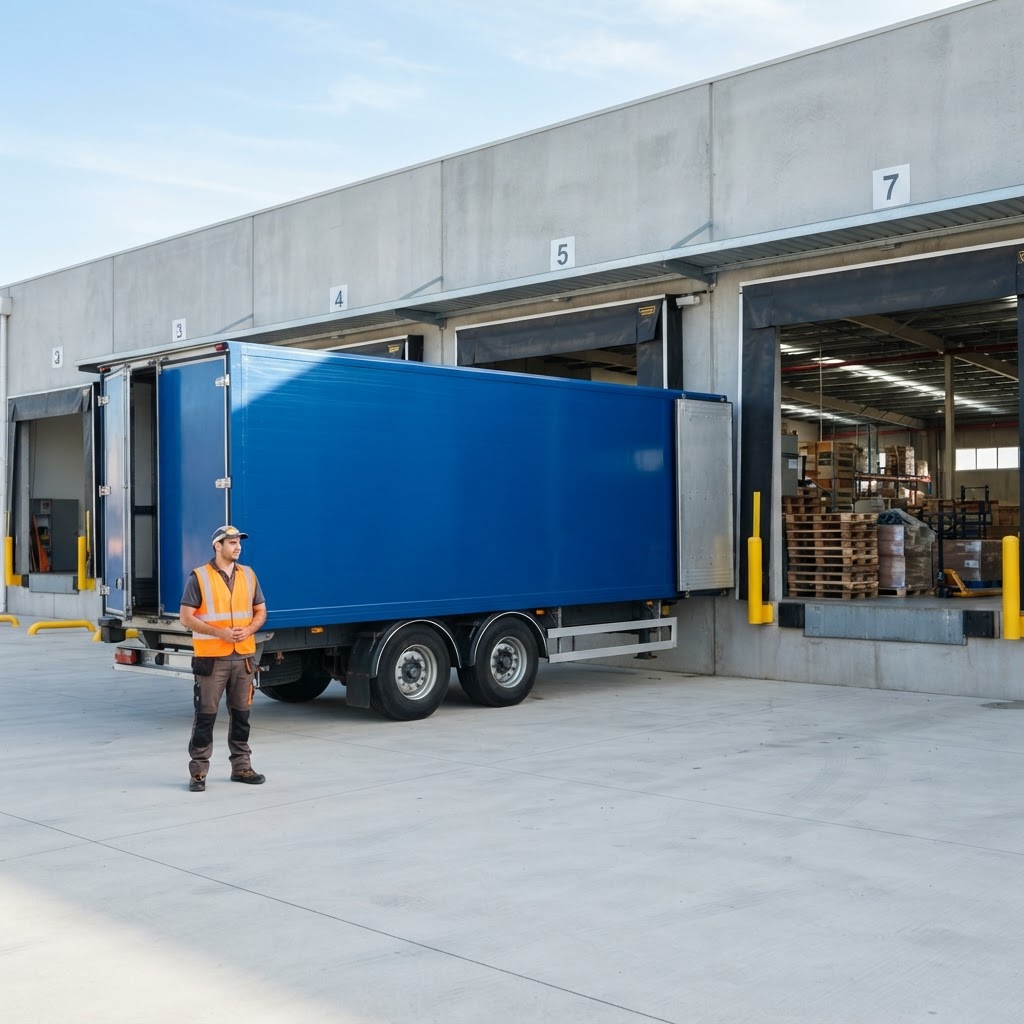
What Logistics Automation ROI Actually Means for Small Shippers
The return on freight automation is not an abstract efficiency claim; it is the sum of specific costs you stop paying once manual steps disappear. For a small shipper, those costs hide inside every quote request, every phone call chasing a rate, and every invoice that has to be checked by hand. Understanding where that money goes is the first step to seeing the payback clearly.
The Hidden Cost of Manual Freight Booking
Manual freight booking looks free because no one invoices you for the wasted hours, but the expense is real and recurring. Every shipment routed through email chains and phone calls carries a cost that compounds across a month of loads. These are the hidden shipping costs teams rarely quantify until they add them up.
Admin time: Requesting and comparing quotes by phone or email can take 30 to 60 minutes per shipment before a single load moves.
Rate blindness: Without side-by-side comparison, shippers accept the first acceptable quote and overpay against the market.
Billing errors: Manual invoices and scattered statements lead to duplicate charges and accessorial fees that go unchecked.
Broker markups: Traditional intermediaries add margin to every rate, inflating costs that a transparent platform removes.
Missed visibility: Chasing status updates by phone pulls staff away from revenue-generating work.
These recurring drains are documented across analyses of how booking inefficiencies raise costs for growing operations. When you tally them per shipment and multiply by monthly volume, the annual figure is usually larger than the cost of the automation itself.
Where the Return Comes From
The savings from automation come from three levers working together: reclaimed labor, lower rates through instant competition, and fewer costly errors. Independent research on the ROI of logistics automation consistently shows that the labor and accuracy gains outpace the platform cost for smaller operators. Instant quote comparison forces carriers to compete, which drives freight shipping cost reduction across Canada without you negotiating each load. Studies of shipping automation returns tie most of the payback to quoting, booking, and tracking steps that no longer require staff time. This is why the operational gains from automation show up fastest for the businesses that were most reliant on manual workarounds.
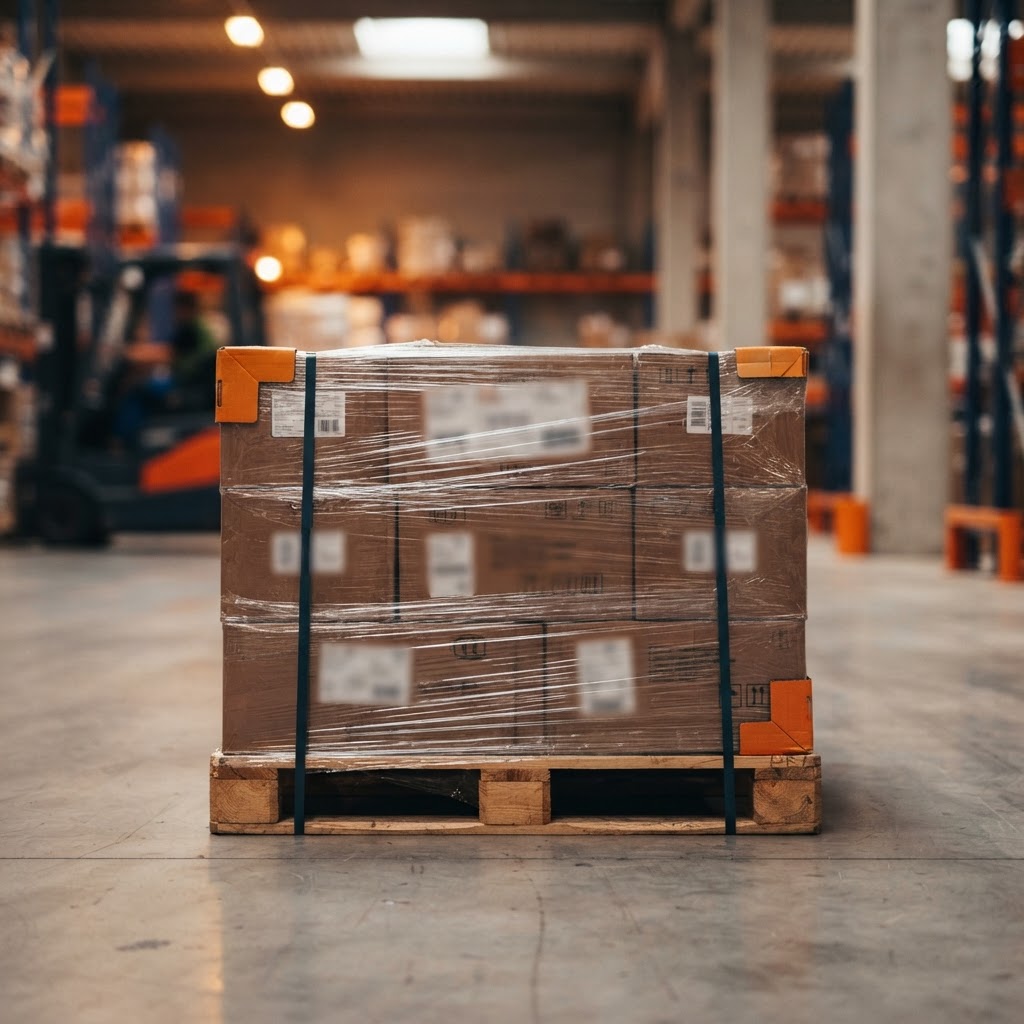
Calculating and Capturing Your Automation Savings
Once you accept that manual booking has a price, the next step is measuring it against the cost of a digital platform. The math is straightforward, and it gives you a defensible number to base an infrastructure decision on rather than a gut feeling.
A Simple Methodology to Measure ROI
Start by pricing your current process across three inputs, then compare them to the automated alternative. First, calculate labor cost: multiply the minutes spent quoting, booking, and tracking each shipment by your loaded hourly staff rate, then by monthly shipment volume. Second, estimate rate savings: platforms that let you compare carriers side by side commonly surface rates well below broker-marked pricing, and even a modest percentage applied across every load adds up quickly. Third, add recovered error costs from duplicate charges and unverified accessorials that a consolidated statement catches.
Subtract the platform's cost from those combined savings and divide by that cost to get your return. Frameworks for cutting freight costs reinforce that route planning and rate comparison are where SMB supply chain efficiency gains concentrate. Comparing automation with traditional booking on the same set of shipments turns transportation management system ROI from a marketing promise into a number you can put in front of your finance team.
Features That Deliver Immediate Financial Impact
Not every automation feature moves the needle equally, so prioritize the ones that attack your biggest manual costs first. Instant multi-carrier quoting delivers the fastest payback because it removes the single most time-consuming step while driving rates down through competition. A real-time dashboard and automated dispatch, pickup, and delivery alerts eliminate status-chasing calls, and a single consolidated statement kills the billing errors that erode margin. Truxweb built its LTL marketplace around exactly these levers, giving small shippers instant quote comparison, one-click booking with no brokering fees, and a 360-degree shipping view that replaces the phone-and-email routine. The result is the same shift described in guides on cutting LTL shipping costs and the broader move toward modern transport management systems. For Quebec and Ontario operators specifically, these tools close the gap between small-shipper needs and enterprise-grade capability without the enterprise price tag.
Frequently Asked Questions (FAQs)
How much money does logistics automation save?
Most small shippers save through a combination of reduced admin hours and lower carrier rates, with freight costs on comparable lanes commonly dropping by a meaningful double-digit percentage once brokers and manual markups are removed.
Is logistics automation worth it for a small business?
Yes, because the payback is driven by eliminated labor and rate transparency rather than shipping volume, so even businesses moving a handful of pallets per week recover the platform cost quickly.
How is logistics automation different from manual processes?
Automation replaces phone calls and email chains with instant quote comparison, one-click booking, and automatic tracking, cutting a task that took nearly an hour down to minutes.
What are the benefits of logistics automation for LTL shipping?
LTL shippers gain side-by-side rate comparison, real-time visibility, and consolidated billing that together reduce overpayment, missed accessorials, and time spent coordinating each partial-load shipment.
How do I calculate ROI on logistics technology?
Add your monthly labor, rate, and billing-error costs under the manual process, subtract those same costs under automation plus the platform fee, then divide the net savings by the platform cost.
Are logistics automation tools expensive for Canadian SMBs?
No, most digital freight platforms are priced to be accessible to small shippers, and many marketplaces charge no separate brokering fee, so the cost is offset by the rate savings on the first shipments.
Conclusion
Logistics automation ROI is not a leap of faith for small shippers; it is arithmetic that favors the businesses currently losing the most time to manual booking. By pricing your admin hours, rate blindness, and billing errors, then comparing them against a transparent digital platform, you get a clear number that justifies the shift. The operators who capture these gains first are the ones who treat freight as a controllable cost center rather than a fixed expense, and the volatility in today's freight market only widens the advantage. For SMBs in Quebec and Ontario, that shift is now the practical path to protecting margins and scaling without adding headcount.
Ready to see what automated freight management is worth for your shipments? compare LTL rates with Truxweb to measure your own savings against your current manual process.