


Quick Answer
A hybrid LTL platform combines digital quote comparison and booking with accountable human logistics support. Truxweb uses this model to connect SME shippers directly with regional carriers while a concierge team helps resolve exceptions that can affect pickups, documentation, and delivery.
Introduction
LTL shipping becomes more manageable when you can see carrier options quickly without being left alone when freight needs attention. For Quebec and Ontario businesses moving palletized goods across Canada or into the United States, the practical difference is whether a platform simply displays rates or actively supports the shipment after booking. A hybrid model gives shippers control over pricing and carrier selection while retaining access to people who understand operational and cross-border consequences. That distinction matters when a missed pickup, incomplete commercial invoice, or carrier communication gap threatens a customer commitment.
Key Takeaways:
A hybrid platform combines self-service booking with human support for shipment exceptions.
Direct carrier access can improve rate visibility and reduce unnecessary intermediary costs.
Carrier vetting and shipment oversight matter as much as fast online quotes.
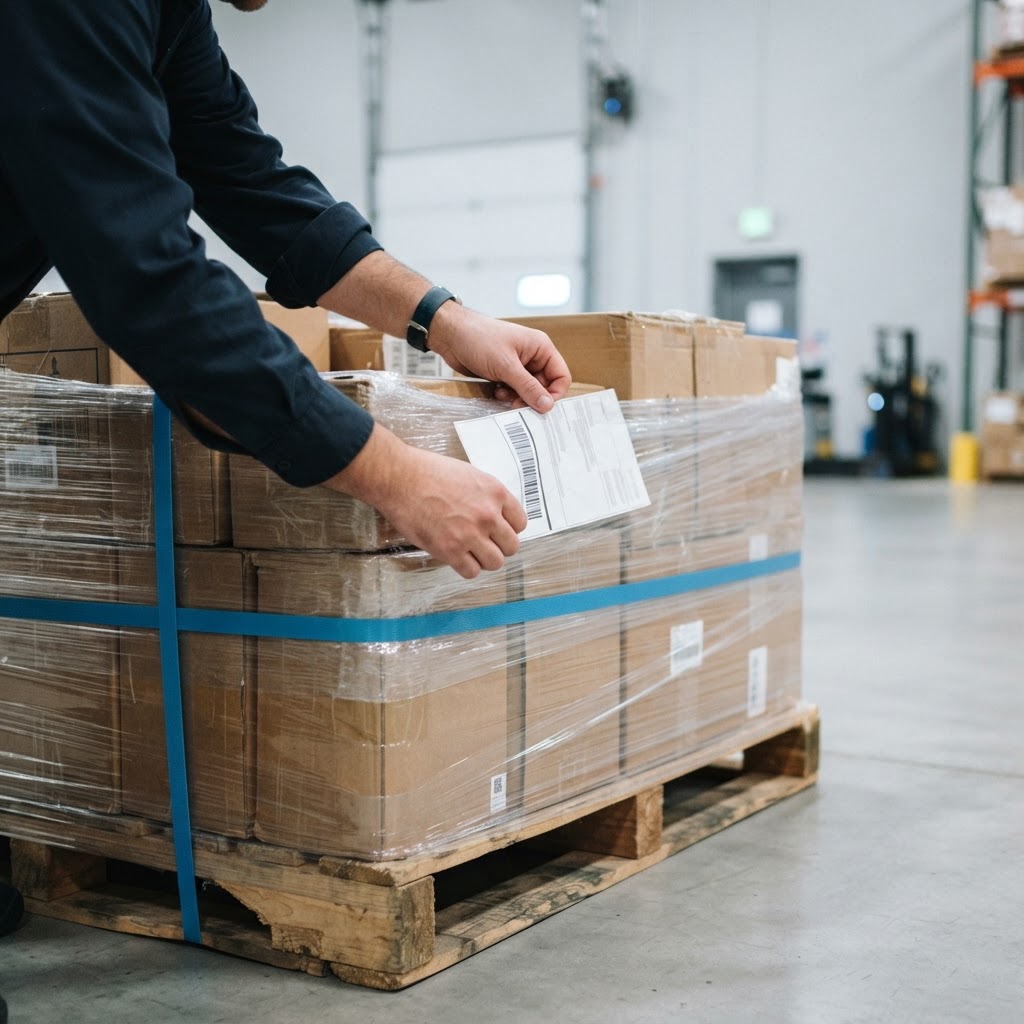
How a Hybrid LTL Shipping Marketplace Works
A hybrid LTL shipping marketplace gives a shipper one digital entry point for shipment details, carrier responses, booking, and visibility, then adds a human escalation path when the process cannot be resolved by software alone. This is particularly useful for businesses that ship one to eight pallets at a time and cannot dedicate a large internal team to carrier calls, rate negotiations, and exception management.
One request reaches relevant carrier capacity
Instead of requesting quotes through separate phone calls and email chains, the shipper enters lane, freight, pickup, and delivery information once. On Truxweb, that request is broadcast to carriers servicing the lane, allowing the shipper to compare available responses before confirming the movement.
Rate visibility: Compare carrier prices before booking.
Transit comparison: Review available service timing side by side.
Carrier ratings: Consider service feedback with each quote.
Fee detail: See booking charges before confirmation.
Fast response: 92% of carriers reply within 30 minutes.
Digital control does not mean unattended freight
The difference between a digital marketplace and a load board is accountability around the transaction. A load board can help participants find capacity, but a hybrid marketplace organizes the booking workflow, gives the shipper a record of quoted terms, and supplies support when dispatch details change. For cross-border loads, that support can be decisive when a carrier needs paperwork clarified before freight reaches the border.

LTL Broker vs Online Freight Marketplace: The Operating Difference
The central question in an LTL broker vs online freight marketplace decision is who controls information, carrier access, and post-booking communication. A traditional broker may source a carrier on the shipper’s behalf, while a marketplace can give the shipper visibility into multiple carrier options and preserve a direct operational path after selection.
Comparing broker, self-service, and hybrid workflows
A practical comparison should focus on how each model handles quoting, carrier selection, and service failures rather than assuming any channel is automatically cheaper. The following framework explains why a hybrid approach suits shippers who need both control and backup.
Model | Quote process | Carrier visibility | Support during exceptions |
|---|---|---|---|
Truxweb hybrid marketplace | One request broadcasts to servicing carriers | Rates, transit times, ratings, and fees shown | 24/7 concierge support and carrier dispatch chat |
Traditional freight broker | Broker sources and presents options | Varies by broker workflow | Broker manages communications |
Pure self-service portal | Shipper books through digital interface | Varies by portal and carrier access | May rely mainly on self-service channels |
The meaningful tradeoff is not technology versus people. It is whether technology makes the commercial decision visible while people remain available to manage real operational risk.
Truxweb reports average savings of 14 to 22% and headline savings up to 40%, which it attributes to removing brokering fees and enabling carrier comparison. Those figures are not a universal freight-cost guarantee because pallet dimensions, freight class, accessorial requirements, lane balance, and border requirements still determine the final quote.
Why carrier vetting is part of the price conversation
Low pricing is not useful if a carrier cannot perform reliably or meet applicable requirements. A freight marketplace should include carrier quality controls, not merely a catalog of companies willing to quote a lane. Truxweb requires carriers to maintain a minimum 95% satisfaction rating and monitors them daily through SaferWatch for safety and compliance.
For carriers working across provincial or international boundaries, carrier safety requirements are an operational baseline, not a marketing feature. A carrier’s authority, insurance, equipment suitability, and ability to meet border-facing documentation requirements should be reviewed before a shipment is tendered.
Human support protects the shipment after the click
Automated freight booking software can collect shipment data and transmit instructions quickly, but it cannot independently decide how to handle a missed appointment, a revised consignee requirement, or a document discrepancy. Truxweb’s concierge team operates around the clock to act on the shipper’s behalf, while its dashboard provides real-time email alerts for dispatch, pickup, and delivery. This combination is especially relevant for users of a digital freight platform who need an escalation route without returning to lengthy broker-led processes.
Using the Hybrid Model for Canada-U.S. Freight
For Montreal businesses sending LTL freight to U.S. customers, the shipment process must accommodate both domestic carrier coordination and border readiness. Rate comparison should happen only after shipment data is accurate, because incomplete commodity descriptions, mismatched consignee details, and unclear shipment values can create delays that no quoted transit time can solve.
Start with shipment data that a carrier can execute
Enter the pallet count, dimensions, weight, commodity description, pickup conditions, delivery conditions, and any special equipment needs accurately before you compare LTL shipping rates. For cross-border freight, align the commercial invoice and other customs documents with the freight details used for booking, including the parties involved and the goods being transported.
Compliance is not identical across every operating area. Businesses moving freight through Ontario or Quebec should recognize that carriers may need provincial program registration, including Ontario CVOR and Quebec NIR, while provincial carrier requirements can also affect permitting, routing, and vehicle operations.
Use visibility to manage exceptions early
An LTL freight tracking dashboard is most useful when it turns updates into action. Dispatch, pickup, and delivery alerts allow a shipper to notify a receiver, verify that paperwork is available, or ask for help before a late status becomes a service failure. Truxweb reports 97.7% customer satisfaction, but operational discipline still starts with accurate booking data and prompt responses to carrier requests.
Safety oversight should be continuous rather than a one-time check at onboarding. Carrier authority, insurance, and inspection history can change between shipments, which is why daily monitoring matters more than a carrier's status on the day it joined a network.
Conclusion
A hybrid model is designed for shippers who want to book LTL freight online without accepting an unsupported, self-service-only experience. Direct carrier comparison can improve transparency, while carrier controls and concierge involvement reduce the risk that a routine exception becomes a costly disruption. The choice between a freight marketplace and a broker is ultimately a workflow decision: choose visibility, documented terms, and clear ownership of issues after booking. For SMEs handling recurring pallet freight, explore Truxweb’s marketplace to assess whether that balance fits their lanes and service needs.
Frequently Asked Questions (FAQs)
What is LTL shipping?
LTL shipping is a freight service in which multiple shippers’ palletized loads share trailer space, allowing businesses with less than a full trailer of goods to purchase capacity without booking an entire truck.
How does an LTL marketplace work?
An LTL marketplace works by collecting shipment details once, sending the request to eligible carriers, and presenting carrier responses so the shipper can compare commercial terms before accepting a booking.
What are the benefits of direct-to-carrier shipping?
Direct-to-carrier shipping gives shippers clearer access to carrier options and booking terms, which can reduce communication layers while preserving a more direct route for dispatch questions and service updates.
Why choose LTL over full truckload?
Choosing LTL over full truckload makes sense when a shipment does not require exclusive trailer capacity, although businesses should evaluate handling sensitivity, delivery requirements, and transit needs before selecting shared transportation.
How to compare LTL shipping quotes?
To compare LTL shipping quotes, review the total booking charge, stated transit time, carrier rating, pickup and delivery conditions, and included or excluded accessorial services using identical shipment details for every option.
What is the cost difference between brokers and LTL marketplaces?
The cost difference between brokers and LTL marketplaces depends on lane, carrier access, shipment characteristics, and each provider’s fee structure, so the most reliable comparison uses complete, like-for-like quotes with all charges disclosed.
About the Author
Sarah Bennett is a Cross-Border Trade & Customs Specialist focused on customs clearance, freight compliance, and Canada-U.S. shipping. Her work emphasizes practical documentation, carrier coordination, and border-readiness for businesses moving freight between Ontario, Quebec, and key U.S. markets.