
Quick Answer
Choose 3PL services when your operation needs another company to store inventory, pick orders, pack shipments, or manage fulfillment. Choose a digital freight platform when you mainly need to compare and book LTL freight while keeping control of carrier selection, shipment data, and day-to-day decisions.
Introduction
For many Canadian small and medium-sized businesses, the choice is not between good and bad logistics, but between paying for a full operating layer and using the tools needed for a specific freight task. Third party logistics can remove warehouse and fulfillment work, while a freight platform makes transportation purchasing more visible and self-directed. The right model depends on where the bottleneck sits: inventory handling, order fulfillment, carrier access, or shipment coordination. A business that only ships occasional pallets can absorb unnecessary fixed service costs when it buys a warehouse solution for a freight-booking problem.
Key Takeaways:
Use a full-service provider when warehousing and order fulfillment create the operational constraint.
Use a freight platform when LTL booking, rate comparison, and shipment visibility are the main needs.
Match the service model to the work you need done, not to the broadest logistics label.

What Full-Service 3PL Providers Actually Manage
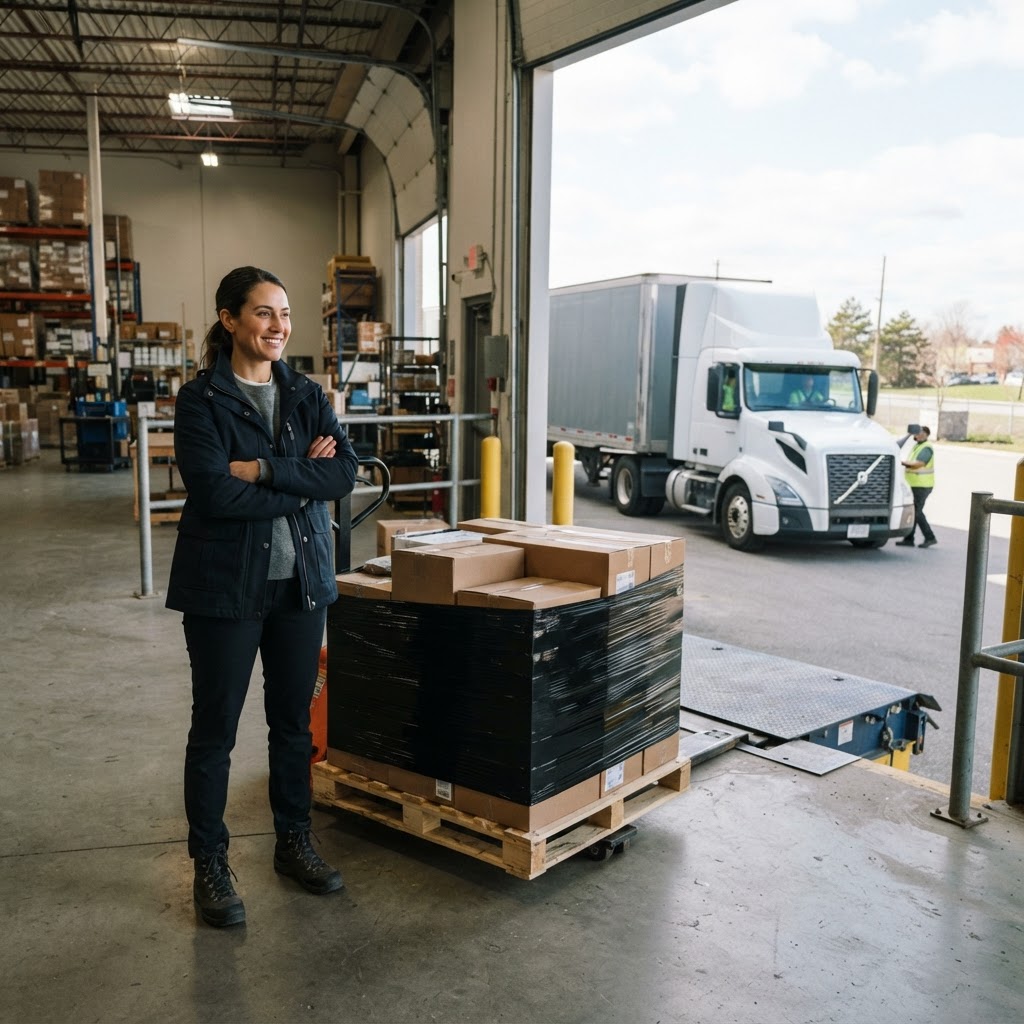
A full-service provider takes responsibility for physical logistics work that would otherwise stay inside your business. That can include receiving inbound goods, storing inventory, picking customer orders, preparing outbound shipments, processing returns, and arranging transportation. Canadian supply chain functions commonly span transportation, warehousing, and brokerage, which explains why the term 3PL logistics is often used broadly even when providers offer very different service mixes.
Where 3PL fulfillment earns its cost
3PL fulfillment fits businesses whose products need repeatable handling before they leave a facility. The provider supplies labour, space, systems, and operating procedures, while the shipper trades some direct control for less internal warehouse administration.
Inventory storage: Goods remain in a managed facility instead of occupying your own space.
Order processing: Teams pick, pack, label, and hand off orders under defined workflows.
Returns handling: Returned products can be inspected, restocked, or routed for disposition.
Carrier coordination: Outbound freight may be tendered as part of the fulfillment process.
What a 3PL does not automatically solve
Outsourced logistics services do not remove the need for clean product data, accurate forecasts, packaging standards, or clear customer-service ownership. Fees can also be tied to storage, touches, order activity, special handling, and transportation, so the lowest quoted warehouse rate is not necessarily the lowest delivered cost. For a broader view of the operational tradeoffs, review these 3PL logistics benefits before comparing providers.

How Digital Freight Platforms Change LTL Booking
A digital freight platform focuses on transportation procurement rather than warehouse execution. Shippers enter shipment details, compare available carrier options, book the selected service, and follow movement through one system. This model is especially useful when palletized freight is ready to ship and the business needs better access to LTL capacity without handing over its entire logistics operation.
Transparency comes from direct comparison
Digital freight platforms make rate, transit, and carrier information available before booking, which changes the conversation from requesting a single quoted option to evaluating alternatives. A freight marketplace model can give a shipper a structured way to select a carrier based on the shipment itself, rather than relying on a manual email chain or phone call.
Truxweb is a Canada-based LTL marketplace built for businesses moving pallet freight in Ontario and Quebec. Its quote comparison process lets shippers evaluate carrier rates, transit speeds, and ratings side by side, while a shared dashboard centralizes shipment status and communication.
Technology does not replace shipping discipline
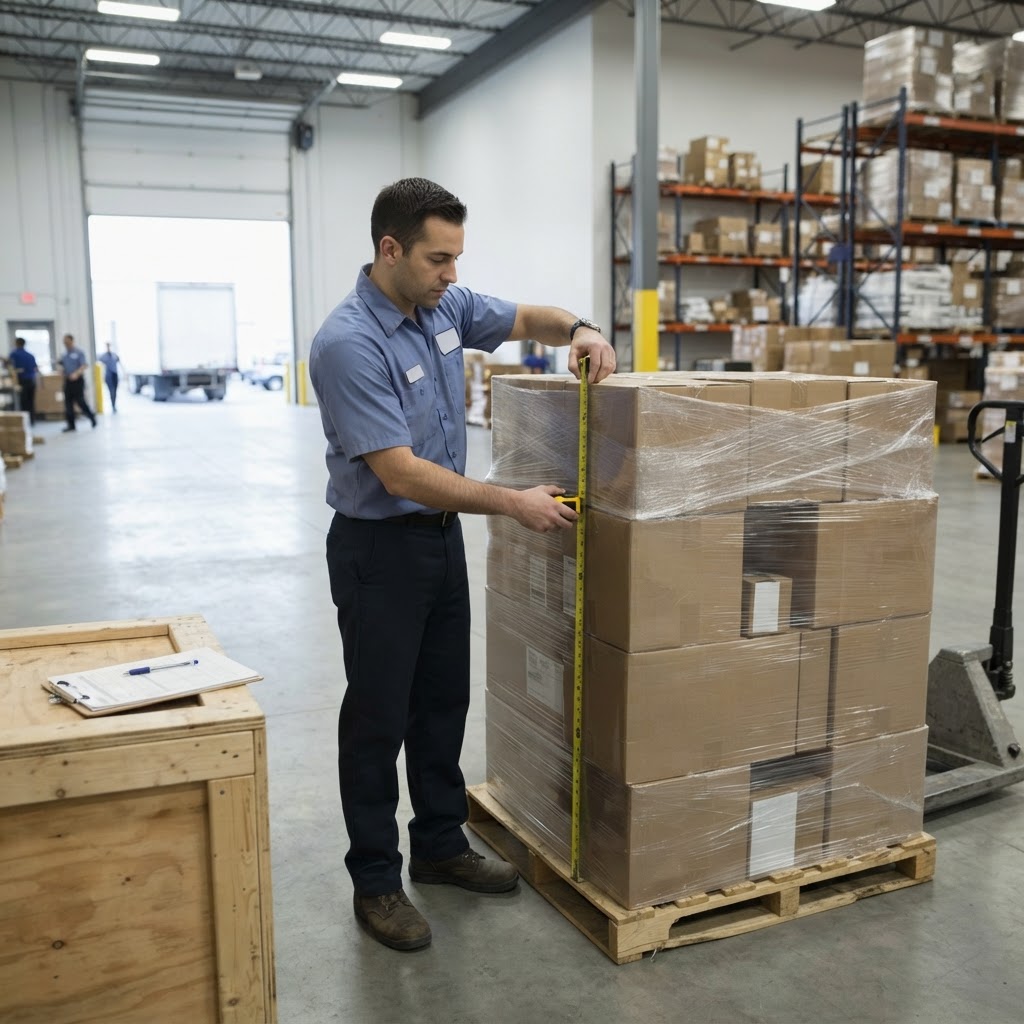
Better booking tools still depend on accurate weight, dimensions, freight class, pickup details, and packaging. The Transportation of Goods Regulations provide relevant Canadian operating context, while the shipper remains responsible for presenting freight safely and describing it correctly. A digital workflow reduces administrative friction, but it cannot correct vague shipment information after a carrier arrives.
How to Choose by Cost, Control, and Shipment Pattern
The deciding question is where your business needs help. A provider offering warehousing and distribution services may be appropriate when inventory flow and fulfilment labour limit growth. A platform is usually a tighter fit when products are already packed, shipment frequency varies, and transportation choices need to stay visible to the shipping team.
Compare the operational tradeoffs before signing
Cost should be assessed as a workflow, not as a single freight rate. A 3PL may consolidate several activities into one relationship, but that convenience can add charges for work your team already handles effectively. A platform leaves warehouse work with you while making carrier selection and freight booking more transparent.
Control follows the same pattern. With a full-service provider, operating consistency depends on service-level expectations, integrations, and exception processes. With a digital freight platform, the shipper can review options at booking time and retain a closer view of individual moves.
Use cases that point to each model
Choose a 3PL for small businesses when order volume, storage needs, or multi-channel fulfillment create work that internal staff cannot reliably absorb. Choose a platform for LTL freight when you ship ready-to-move pallets, want to compare carrier options, and do not require a third party to hold or pick inventory. Current transportation-related statistics can help contextualize freight activity, but your shipment records remain the best evidence for choosing a model.
Some companies use both approaches. A 3PL can manage inventory and fulfillment, while a freight platform supports transportation choices for shipments that need independent carrier comparison. That division works when responsibilities, data access, and claims procedures are agreed on before the first exception occurs.
For businesses whose freight need is primarily carrier access, digital freight platform vs broker guidance can clarify where a self-service marketplace differs from a traditional intermediary. Truxweb can be a practical option for shippers moving smaller LTL loads that want direct rate comparison without adding warehouse services they do not need.
Conclusion
Full-service 3PL providers and freight platforms solve different problems, so neither should be selected on label alone. Choose a 3PL when physical inventory work requires outside capacity, and choose a platform when freight purchasing needs clearer pricing, carrier choice, and shipment visibility. Review recent shipments, identify the work consuming staff time, and price the complete operating model before committing. A focused transportation tool is often the more efficient fit when your freight is packed and ready to move.
Ready to simplify LTL booking? Explore Truxweb for your freight shipments and compare carrier options in one place.
Frequently Asked Questions (FAQs)
What are 3PL services?
3PL services are outsourced logistics functions in which a provider may manage activities such as receiving, storage, fulfillment, transportation coordination, and returns, allowing a shipper to transfer defined physical operations without giving up responsibility for product information and customer commitments.
How does 3PL work for small business?
3PL work for small business typically begins when the shipper sends inventory to a provider, which then follows agreed receiving, storage, order-routing, packing, and dispatch processes while the business monitors performance through reports, integrations, and exception management.
What is the difference between 3PL and freight brokerage?
The difference between 3PL and freight brokerage is that a 3PL may operate warehousing and fulfillment services alongside transportation management, while freight brokerage primarily connects a shipper with carrier capacity for a specific movement without normally handling inventory.
How do I choose the best 3PL company?
Choose the best 3PL company by validating that its facilities, order workflows, technology integrations, service standards, claims process, and pricing structure match your actual products and sales channels, rather than selecting solely on a broad promise of logistics coverage.
Is 3PL cost-effective for LTL shipping?
3PL can be cost-effective for LTL shipping when its broader warehouse and fulfillment services reduce meaningful internal operating work, but a freight platform may offer a leaner cost structure when the only requirement is booking ready-to-ship pallet freight.
About the Author
Daniel Park is a Freight Logistics Analyst covering LTL shipping, carrier selection, freight pricing, and supply chain visibility across Ontario and Quebec. His analysis focuses on practical decisions that help small and medium-sized businesses match logistics tools to real shipment workflows.
 7 min read