

Quick Answer
Reduce shipping costs by comparing carrier options on the same shipment details, removing avoidable intermediary markups, and choosing carriers based on verified service performance rather than price alone. For small and medium-sized shippers, the lowest freight rate only protects the budget when pickup reliability, transit expectations, communication, and safety standards remain visible before booking.
Introduction
Shipping costs can fall without weakening customer service when every quote is evaluated against the same operational requirements. LTL shipping becomes expensive when shippers accept opaque pricing, provide incomplete shipment details, or select a carrier without checking how the service will perform on the lane. A practical process replaces repeated calls and emails with comparable quotes, carrier vetting, and shipment visibility. The real cost of a low quote appears when a missed pickup, damaged pallet, or border document error disrupts the order.
Key Takeaways:
Accurate shipment details prevent avoidable reclassification charges and pickup delays.
Direct carrier comparison makes price, transit, and service tradeoffs visible before booking.
Safety screening and active tracking protect service quality while freight spend is reduced.
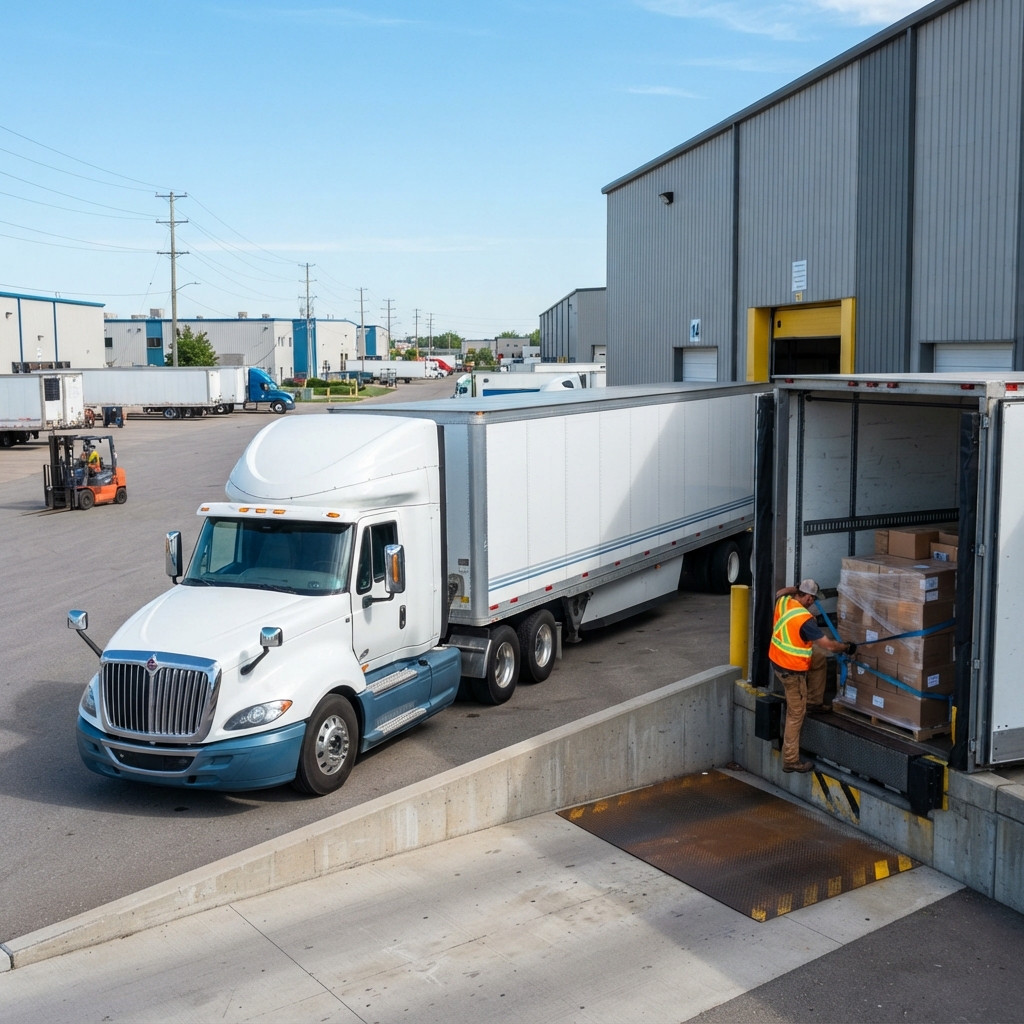
Find the Costs Hidden Inside Every Shipment
The first step is to separate a carrier’s transportation charge from costs created by poor information, unnecessary handling, and an inefficient buying process. Businesses seeking cost effective freight shipping for small business should treat each shipment as a repeatable operating decision, not a last-minute purchase.
Build a Complete Shipment Profile Before Requesting Rates
A precise request gives carriers a fair basis to price the work and gives the shipper a meaningful shipping quote to compare. Record the shipment information once, confirm it with the warehouse, and reuse the format for recurring lanes.
Dimensions: Provide pallet length, width, height, and total shipment weight.
Freight class: Use the correct classification and describe the commodity clearly.
Accessorials: Identify liftgate, residential, appointment, inside-delivery, and limited-access needs upfront.
Pickup readiness: Confirm when freight will be packed, labelled, and available at the dock.
Border documents: Include commercial invoice and customs details for Canada-U.S. movements.
Remove Markups Without Removing Accountability
Direct carrier shipping vs 3PL brokerages is often a question of visibility: a traditional brokerage may bundle carrier costs and its own margin into one number, while a marketplace can show service options and booking fees before confirmation. Truxweb connects qualifying shippers with local and regional carriers, allowing them to compare the rate, transit time, carrier rating, and detailed fees without relying on a broker to relay every update.
A direct model should not mean a shipper is left alone when something changes. Look for a provider that can coordinate with dispatch, clarify exceptions, and document communications while preserving a clear view of no-markup freight shipping rates.

Choose Service Quality Before the Freight Leaves the Dock
Low cost and dependable service are compatible when the comparison includes operational evidence, not just a final price. This is especially important for freight companies in Ontario and Quebec that serve recurring regional lanes, where a missed collection can interrupt production schedules or customer commitments.
Compare Carriers on the Factors That Protect Delivery
Use one consistent request to compare carrier shipping quotes, then assess the full service promise behind each result. A price difference may reflect transit timing, pickup capacity, handling requirements, or support availability, so the cheapest option should never be selected in isolation.
Decision factor | What to verify | Cost risk avoided | Service outcome |
|---|---|---|---|
Rate transparency | Transportation and booking fees are shown before confirmation. | Unexpected charges and hidden margins. | Budget approvals are based on the actual payable amount. |
Carrier suitability | Lane coverage, equipment, pickup timing, and freight requirements align. | Rebooking or missed pickup costs. | Freight is assigned to a capable carrier. |
Safety review | Carrier compliance and operating performance are monitored. | Disruption from poor carrier practices. | Service decisions consider more than price. |
Shipment visibility | Dispatch, pickup, and delivery updates are available. | Manual status chasing and preventable surprises. | Customers receive timely communication. |
The useful comparison is the one that identifies the lowest suitable option, not simply the lowest number. Canada’s National Safety Code framework includes 16 standards for commercial vehicle, driver, and motor carrier safety, making carrier safety requirements a practical part of procurement rather than a separate compliance exercise.
Use Technology to Manage Exceptions Early
Real-time alerts reduce the administrative cost of shipping because the team learns about dispatch, pickup, and delivery events without repeatedly calling for updates. Truxweb reports that 92% of carriers respond within 30 minutes during business hours, while its dashboard and in-platform carrier chat give shippers a documented way to address pickup questions before they become customer-facing problems.
For shipping freight to the USA from Canada, monitor document readiness as closely as the trailer status. A commercial invoice that does not match the goods, consignee, or declared shipment details can create an avoidable border hold, even when the carrier arrives on time.
Make Savings Sustainable Across Recurring Lanes
Consistent savings come from a process that captures what happened on each shipment and improves the next request. Review billed charges against the original booking, record reasons for accessorials, and flag carrier performance issues while the shipment details are still available.
Set a Lane-Level Review Routine
Group shipments by origin, destination, freight type, and delivery requirement, then compare outcomes over time. This helps a logistics manager distinguish a legitimate premium for urgent or specialized handling from a recurring issue such as inaccurate pallet data or a site condition that was never declared.
Safety evidence deserves a routine check as well. Transport Canada's safety rating framework evaluates carriers using 24 months of collision, inspection, and conviction data, normalized against fleet size. The Commercial Vehicle Safety Alliance conducts roughly 4 million commercial vehicle inspections across North America each year under this framework, reinforcing why reliable carrier screening requires more than informal referrals.
Protect Customer Service With Clear Internal Ownership
Assign one person to approve shipment details, review exceptions, and close the loop with the receiving customer when timing changes. When freight LTL operations have a defined owner, teams can resolve discrepancies before invoicing and prevent the same accessorial or documentation problem from appearing on the next order.
For broader industry terminology and carrier-related references, Canadian freight carrier terminology can help teams use consistent language in internal procedures and carrier communications.
Conclusion
Reducing freight spend does not require accepting uncertain service. Start with accurate shipment details, compare complete carrier options, and make safety, communication, and transit expectations part of every booking decision. A direct marketplace approach gives SMEs more control over freight rates while maintaining accountability for the shipment after it is booked. The strongest savings are repeatable because they come from eliminating avoidable friction, not from gambling on service quality.
Ready to bring more control to your freight process? Explore Truxweb for direct carrier options and transparent booking details.
Frequently Asked Questions (FAQs)
How to reduce LTL shipping costs for small business?
Small businesses reduce LTL shipping costs by standardizing pallet information, declaring service requirements before booking, and comparing like-for-like carrier quotes, which prevents charges caused by inaccurate descriptions, missed accessorial needs, or unsuitable pickup arrangements.
Why is freight shipping so expensive for SMEs?
Freight shipping is expensive for SMEs when smaller volumes limit buying leverage and manual purchasing hides carrier options, while incomplete shipment details can also create added handling, classification, or service charges after the freight is tendered.
What factors influence LTL shipping rates?
LTL shipping rates are influenced by shipment weight, dimensions, freight class, lane, pickup and delivery conditions, required equipment, and service timing, because each factor changes the carrier capacity and handling needed to move the freight.
How can I compare freight quotes online?
You can compare freight quotes online by entering the same complete shipment details for each option and reviewing total charges, transit expectations, carrier ratings, and included services together, rather than comparing a headline transportation price alone.
Is it cheaper to use a freight broker or a marketplace?
A marketplace can be cheaper when it provides direct access to carrier options and transparent fees, while a broker relationship may still suit shipments requiring specialized coordination that is not available through a standard digital booking workflow.
Can I ship pallets from Ontario to the USA?
You can ship pallets from Ontario to the USA when the carrier accepts the lane and the shipment has accurate commercial documentation, including details that match the goods, seller, buyer, consignee, and customs clearance requirements.
How does Truxweb compare to traditional freight brokers?
Truxweb differs from traditional freight brokers by broadcasting a request to carriers serving the lane so shippers can compare quoted rates, transit times, ratings, and booking fees directly before selecting and confirming a shipment.
About the Author
Sarah Bennett is a Cross-Border Trade & Customs Specialist focused on freight compliance, customs clearance, and Canada-U.S. shipping. Her work emphasizes practical documentation controls and carrier coordination for businesses moving freight between Ontario, Quebec, and U.S. markets.

 9 min de lecture