


Introduction
Quick Answer
Yes, you can ship temperature-controlled and oversized freight through a modern LTL marketplace, provided the platform vets reefer-equipped and flatbed carriers and lets you specify equipment, temperature range, and pallet dimensions at the quote stage. Ontario and Quebec shippers regularly book frozen goods, pharmaceuticals, and non-standard pallets this way, often at 20 to 40 percent below traditional broker pricing.
The assumption that digital freight platforms only handle plain dry pallets keeps a lot of specialized shippers stuck with brokers charging premium markups. In reality, the same marketplace mechanics that streamline standard LTL, instant multi-carrier quotes, transparent ratings, single-click booking, apply just as cleanly to refrigerated LTL shipping and oversized freight when the platform curates carriers with the right equipment. The catch is that the details you enter at quote time matter far more than they do for a dry 48x40 skid. Get the temperature range, pallet dimensions, and handling notes right upfront, and a specialized shipment moves through a marketplace with the same speed as any other booking. Miss a field, and you invite reclass fees or a refused pickup at the dock.
Key Takeaways:
LTL marketplaces can handle reefer, frozen, and oversized freight when carriers with the right equipment are pre-vetted on the platform.
Accurate temperature settings, pallet dimensions, and commodity details at quote time determine whether a specialized shipment books smoothly or gets reclassified.
Comparing multiple reefer or flatbed quotes side by side typically cuts specialized freight costs 15 to 30 percent versus single-broker pricing.
How Temperature-Controlled Freight Works on an LTL Marketplace
Temperature-controlled freight on a digital marketplace runs on the same quote-and-book workflow as dry LTL, with one important addition: the platform routes your request only to carriers that operate reefer trailers or multi-temp equipment. That means fewer carriers respond compared to a dry shipment, but the ones who do are equipped to hold the temperature range you specify from pickup to delivery. Understanding how freight marketplaces work in the first place makes the reefer workflow easier to follow, since the underlying mechanics are the same.
Reefer Equipment and Temperature Ranges
Refrigerated LTL carriers on a well-run marketplace typically offer three temperature bands, and you select the one that matches your commodity at quote time.
Frozen (-18 C and below): Standard for ice cream, frozen proteins, and long-hold frozen goods transport Ontario shippers move year-round.
Refrigerated (2 C to 8 C): The most common band for dairy, produce, fresh meat, and refrigerated LTL shipping Quebec food distributors rely on.
Climate-controlled (15 C to 25 C): Used for pharmaceuticals, chocolate, cosmetics, and other temperature-sensitive pallet shipping that must avoid freezing or heat exposure.
Multi-temp compartments: Some climate controlled LTL carriers run partitioned trailers so a single truck can carry frozen and refrigerated freight on the same lane.
What Carriers Need to See at Quote Time
The information you enter on the quote form is what determines whether a reefer carrier can commit to a firm rate. According to temperature-controlled shipping requirements, maintaining the specified range from origin to destination is the single most important service metric, and carriers price accordingly. Provide the commodity description, target temperature and acceptable range, pallet count and dimensions, whether the freight is pre-cooled, and any handoff instructions like signature-at-delivery or temperature log requirements. Missing any of these fields usually results in a wider quote spread or a follow-up message before the carrier will confirm. Shippers new to reefer bookings can lean on the same principles used for requesting LTL quotes, just with the temperature and commodity fields filled in with real precision.
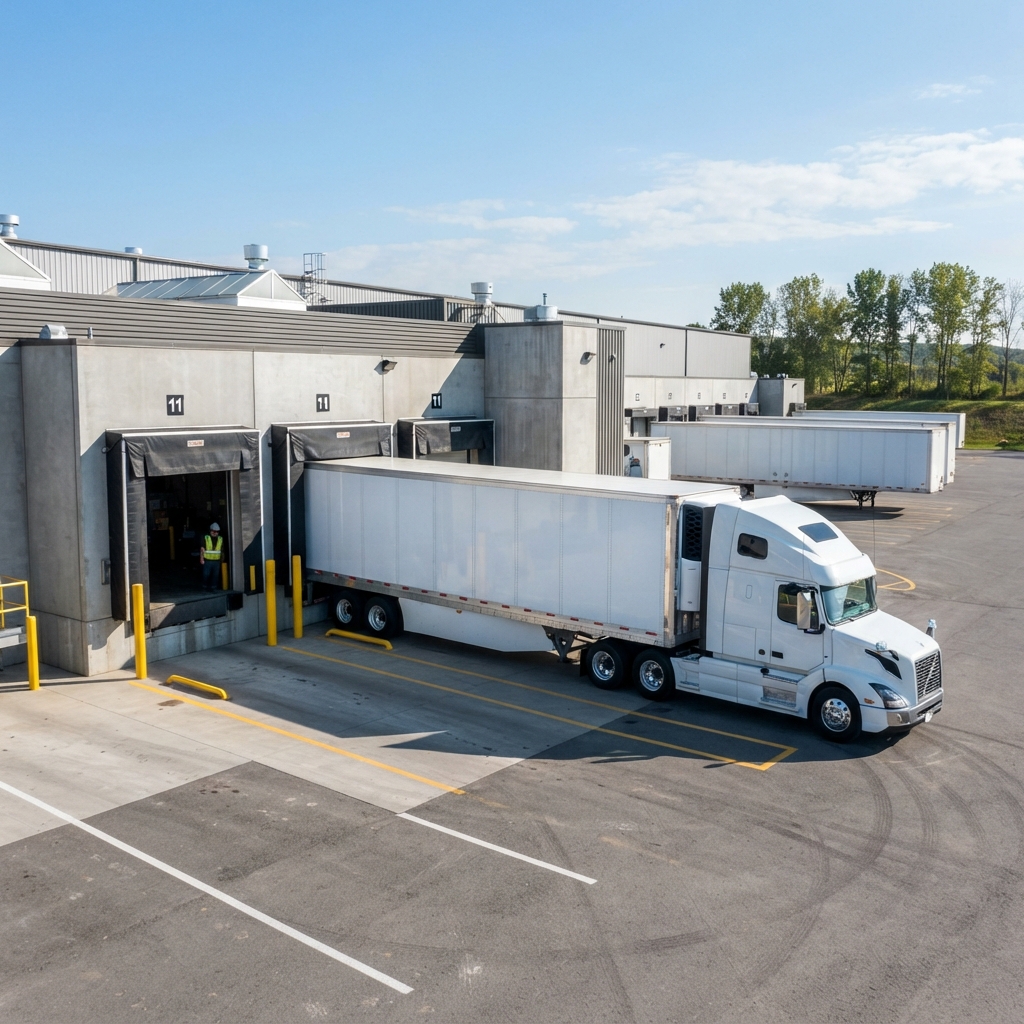
Handling Oversized Freight Through a Digital Marketplace
Oversized freight shipping through an LTL marketplace works when the platform supports non-standard dimensions and the carrier network includes flatbed, step-deck, or oversized-capable vehicles. The workflow shifts from instant-quote to a same-day negotiated response for anything that exceeds standard pallet dimensions or requires permits.
What Counts as Oversized on an LTL Booking
Anything over 96 inches long, 48 inches wide, 84 inches tall, or above roughly 2,500 pounds per pallet generally falls outside standard LTL and needs specialized handling. A comprehensive review of Canadian oversized freight regulations outlines when provincial permits, pilot vehicles, or route surveys enter the picture, all of which the carrier handles once your dimensions are locked in. On a marketplace, oversized quotes usually come back within a few hours rather than minutes because the carrier is confirming trailer availability and permit feasibility before pricing. Reviewing the LTL shipping basics that govern class and dimensional pricing helps shippers anticipate why oversized rates land where they do.
Booking Steps for Non-Standard Pallets
Once the dimensions are captured, the process mirrors a standard booking with a few extra confirmations.
Enter true measurements: Length, width, height, and actual weight of each pallet, not the base skid size.
Flag handling needs: Tarping, crane loading, forklift access at both ends, or dock versus ground pickup.
Confirm route feasibility: The carrier verifies bridge, weight, and permit constraints before locking the rate.
Approve the quote: Rates are firm once dimensions and handling notes are agreed to, with no hidden reclass fees.
Comparing Specialized Rates and Choosing the Right Carrier
The strongest argument for booking specialized freight through a marketplace is the ability to compare three to five real quotes from vetted carriers in one view instead of chasing single-broker pricing. This is where refrigerated freight rates Canada shippers see start to drop meaningfully, since carriers with open reefer capacity on your specific lane will price aggressively to fill the trailer.
How Marketplaces Vet Reefer and Oversized Carriers
Before a carrier can quote reefer or oversized loads on Truxweb, they must clear the same compliance monitoring applied to dry carriers: minimum 95 percent customer satisfaction, daily SaferWatch checks on federal and provincial safety records, and verified equipment listings. Guidance on choosing specialized carriers applies directly here, and shippers should still review each carrier's on-time rate and temperature-control track record before booking. Independent analysis of digital freight marketplaces shows that carrier vetting and transparent ratings are the two features that most consistently separate a usable platform from a lead-generation site.
Where the Cost Savings Actually Come From
Refrigerated freight vs standard LTL shipping will always carry a premium, typically 25 to 60 percent higher per pallet, because of fuel for the reefer unit, driver certifications, and stricter equipment maintenance. But the marketplace model narrows that gap by removing the broker margin and putting carriers in direct competition. In practice, Truxweb users comparing an LTL temperature controlled freight quote across multiple carriers save 15 to 30 percent versus a single broker rate on the same lane, and oversized shipments see similar movement once flatbed operators bid against each other. For a deeper look at why direct-to-carrier pricing beats the traditional model, the breakdown of LTL marketplace advantages covers the mechanics in full. Businesses running regular cold chain logistics services through Truxweb also benefit from the 360-degree dashboard, in-platform chat with carrier dispatch, and consolidated payment terms, which matter more on specialized freight where a single delayed delivery can cost thousands in spoilage.

Conclusion
Temperature controlled freight and oversized loads are no longer the domain of specialized brokers alone. A properly built refrigerated shipping marketplace can source reefer capacity, flatbed equipment, and multi-temp trailers with the same speed and transparency that shippers now expect for dry LTL, provided the carrier network is vetted and the quote form captures the details that specialized freight demands. For Ontario and Quebec businesses moving frozen goods, pharmaceuticals, or non-standard pallets, the practical question is not whether a marketplace can handle the shipment, but whether the platform's carrier mix matches your lane. Compare a few quotes, review the ratings, and the specialized premium starts looking a lot more reasonable.
Ready to see reefer and oversized rates for your next shipment? Get an instant quote on Truxweb and compare vetted carriers for temperature controlled logistics Canada shippers trust.
Frequently Asked Questions (FAQs)
Can you ship perishable items LTL in Ontario?
Yes, perishable items ship regularly through LTL in Ontario using reefer-equipped carriers that maintain frozen, refrigerated, or climate-controlled temperature ranges from pickup to delivery.
How to ship temperature controlled freight in Canada?
Request a quote through a marketplace that lists reefer carriers, provide the commodity, target temperature range, pallet count and dimensions, and pickup and delivery details, then compare responses and book directly.
Can I ship oversized freight through an LTL marketplace?
Yes, oversized freight ships through marketplaces that include flatbed and step-deck carriers, though quotes typically return in a few hours rather than minutes so the carrier can verify permits and route feasibility.
Is temperature controlled shipping more expensive than standard LTL?
Temperature controlled shipping runs 25 to 60 percent higher per pallet than standard LTL because of reefer fuel, certified drivers, and stricter equipment maintenance, though marketplace competition narrows the gap.
Can I track my refrigerated LTL shipment in real-time?
Real-time tracking is available on marketplaces with an integrated shipping dashboard, and most reefer carriers also provide temperature logs and automated dispatch, pickup, and delivery alerts.
What temperature settings are available for refrigerated LTL?
Standard settings include frozen at -18 C or below, refrigerated at 2 C to 8 C, and climate-controlled between 15 C and 25 C, with multi-temp trailers available for mixed loads.
How does refrigerated LTL shipping save money for small businesses?
Comparing multiple vetted reefer carriers on a marketplace eliminates broker markups and typically saves small businesses 15 to 30 percent versus single-broker pricing on the same lane.
About the Author
Daniel Park is a freight logistics analyst covering LTL shipping, carrier performance, and supply chain operations across Ontario and Quebec. His work focuses on how digital freight platforms are reshaping specialized shipping for small and medium-sized Canadian businesses.