

Quick Answer
Truck freight shipping gives business shippers a practical way to move palletized goods through regional and national carrier networks without operating their own fleet. Choose LTL freight when your shipment uses only part of a trailer, and use full truckload when freight volume, handling control, or delivery requirements justify reserving the equipment.
Introduction
For Quebec and Ontario businesses, truck freight shipping becomes manageable when shipment details, carrier options, and booking requirements are visible before pickup. The right mode depends on pallet count, dimensions, weight, lane, freight class, delivery appointment needs, and urgency. Reliable execution starts with accurate information at quoting, because carriers price the space, handling, and service conditions they must provide. A vague shipment description can turn a competitive quote into a correction charge later.
Key Takeaways:
LTL shipping shares trailer capacity and works well for smaller pallet shipments.
Accurate dimensions, accessorial needs, and documentation produce more dependable freight quotes.
Comparing carrier transit, ratings, and total fees helps businesses control freight spend.

How Truck Freight Moves From Dock to Delivery
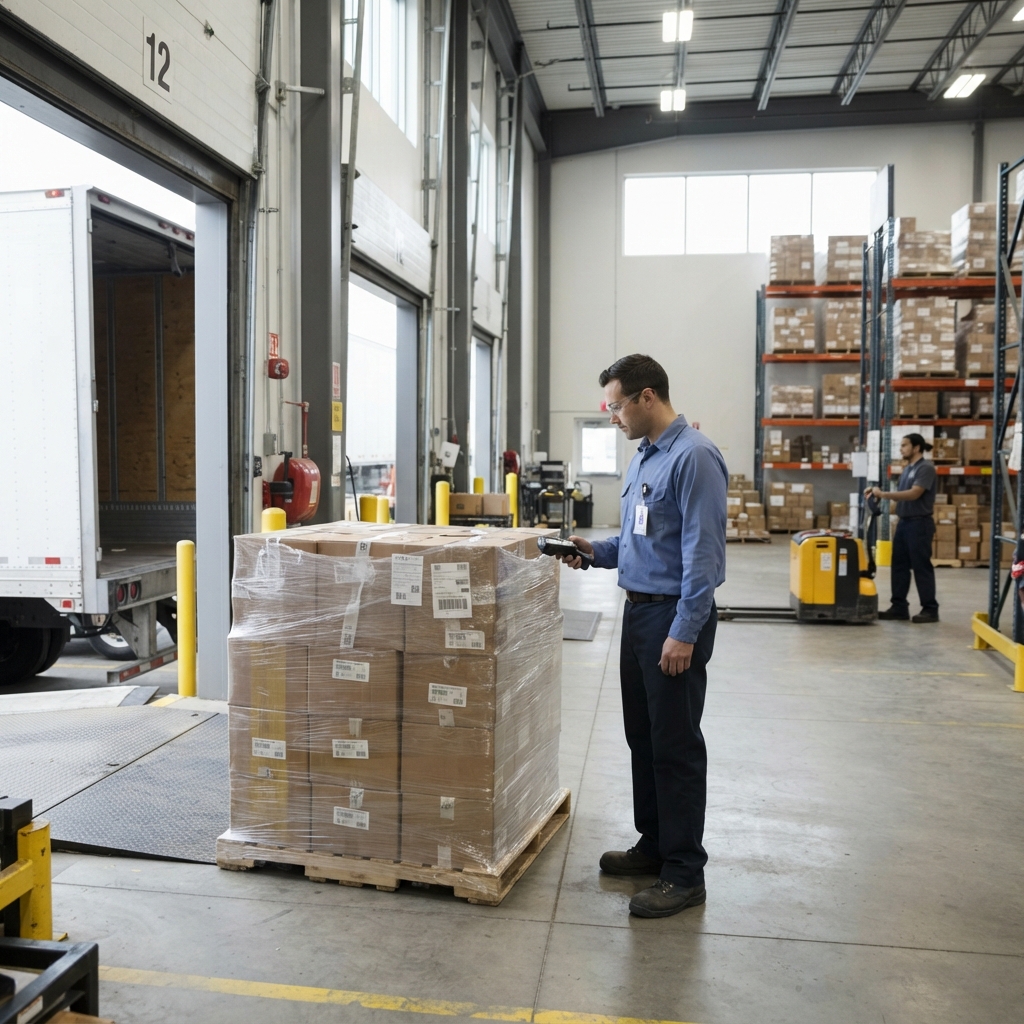
Commercial freight shipping services coordinate pickup, terminal handling when required, linehaul movement, and final delivery. A shipper supplies the freight details, a carrier accepts the load, and the bill of lading travels with the shipment as the operating record. The wider industry relies on shipment data collected from bills of lading to improve knowledge of trucking activity.
What to Provide Before Requesting a Quote
Quote quality depends on the shipment profile, not just the origin and destination postal codes. Measure each pallet after it is wrapped, describe the commodity plainly, and identify any condition that changes pickup or delivery work. For Canadian freight shipping, the details below prevent avoidable reclassification and missed collection attempts.
Pickup and delivery locations: Include postal codes, business names, receiving hours, and contact details.
Pallet specifications: Provide pallet count, final length, width, height, and total weight.
Commodity description: State what is being shipped and whether it requires special handling.
Site constraints: Flag residential service, liftgate needs, limited access, appointments, or inside delivery.
Service timing: Identify ready dates and any delivery deadline before comparing transit options.
Why the Bill of Lading Matters
The bill of lading identifies the shipper, consignee, commodity, piece count, handling instructions, and the carrier that receives the freight. Keep the description consistent with the quoted shipment, retain signed delivery evidence, and make sure receiving staff report visible damage or shortages at delivery. These freight shipping documents give every party the same reference point if an exception requires investigation.
Choosing Between LTL and Full Truckload
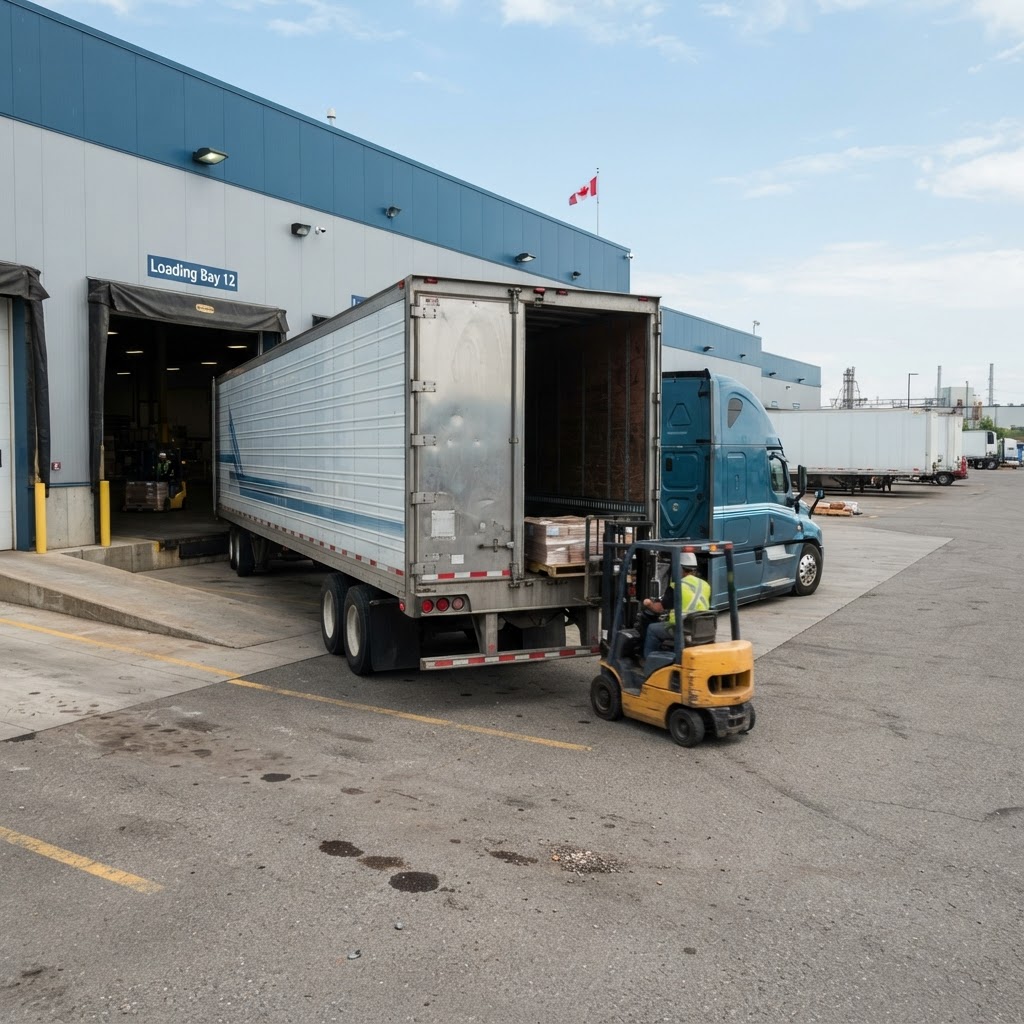
LTL freight consolidates compatible shipments from several customers in one trailer, while a truckload reserves equipment for one shipper’s freight. The decision is not simply about pallet count. Handling exposure, dock requirements, delivery urgency, cargo value, and lane availability can change which option offers the more controlled outcome.
Full Truckload Versus Less-Than-Truckload Cost Analysis
Use LTL when shared capacity matches your freight volume and schedule, but review LTL versus FTL when the shipment approaches trailer capacity or needs minimal handling. Full truckload shipping can reduce terminal touches because the freight stays on dedicated equipment from pickup through delivery.
This comparison shows the operational tradeoff that matters most when selecting a mode.
Decision factor | LTL freight | Full truckload |
|---|---|---|
Trailer use | Shared with other shippers | Dedicated to one shipment |
Handling pattern | May move through terminals | Typically stays on one trailer |
Pricing basis | Space, weight, lane, class, services | Equipment and lane commitment |
Common shipment profile | One to several pallets | Large-volume or handling-sensitive freight |
Planning priority | Compare total quoted service | Confirm equipment and pickup timing |
LTL often provides the practical starting point for SMEs moving limited pallet quantities, while truckload becomes more compelling when consolidation creates too much handling risk or schedule uncertainty.
How to Compare Carriers Without Chasing the Lowest Price
To compare LTL shipping rates effectively, evaluate the all-in amount beside transit expectations, carrier rating, included services, pickup capacity, and surcharge clarity. A low base rate loses value when the carrier cannot meet receiving hours or adds charges for a liftgate, appointment, or limited-access stop. Review freight shipping costs as a complete operational cost, not as a single line item.
Reducing Cost and Booking Freight With Control
Cost-effective LTL shipping for small business comes from repeatable shipping data and a disciplined quoting process. Build a standard shipment template for common products, use accurate pallet measurements, and confirm site requirements before tendering the load. This process gives freight shipping companies enough information to price the move correctly the first time.
Use a Direct Carrier Comparison Process
A direct-to-carrier freight marketplace can replace serial phone calls with a structured view of carrier responses. Through Truxweb, shippers can submit one request to participating carriers, then compare rates, transit times, ratings, and booking fees before confirming a shipment. This approach supports online freight booking while keeping the carrier decision visible to the shipper.
Carrier reliability should be verified through operational signals, including response quality, route coverage, status communication, claims process, and consistency on similar lanes. For ltl freight shipping Montreal businesses moving into Ontario or the United States, a regional carrier with predictable terminal coverage can be more useful than a rate that ignores delivery constraints.
Prepare Carefully for Cross-Border Freight
Ontario to USA freight shipping services require the shipper, exporter, importer, carrier, and customs process to use matching commercial information. For commercial shipments entering Canada, a Canada Customs Invoice or equivalent must contain the required information, and goods seeking duty-free treatment under the U.S.-Mexico-Canada Agreement must meet eligibility requirements. Importers also need registration in the CARM Client Portal and must provide financial security directly to the Canada Border Services Agency.
Conclusion
Effective truck freight shipping depends on choosing the right mode, supplying complete shipment facts, and comparing total service rather than a headline rate. Start with LTL for smaller pallet moves, then test truckload when volume or handling control changes the equation. A direct comparison process gives small and medium-sized businesses clearer decisions and fewer manual follow-ups. Truxweb combines carrier choice with a digital workflow and concierge support for shippers that need control without building an in-house logistics function.
Ready to simplify your next pallet shipment? Explore Truxweb booking options for a clearer carrier comparison process.
Frequently Asked Questions (FAQs)
What is LTL shipping and how does it work?
LTL shipping works by placing freight from multiple shippers in the same trailer, with the carrier pricing each shipment according to its space, weight, lane, classification, and required handling services.
How do businesses save money on LTL freight shipping?
Businesses save money on LTL freight shipping by measuring pallets accurately, avoiding unplanned accessorial services, consolidating compatible orders, and comparing complete quotes that include delivery requirements instead of accepting the first base rate offered.
What factors influence the cost of truck freight shipping?
Truck freight shipping cost depends on the pickup and delivery lane, pallet dimensions, total weight, commodity classification, equipment availability, service timing, terminal handling, and special requirements such as liftgates or delivery appointments.
Is LTL shipping better than full truckload for small business?
LTL shipping is often more suitable for small businesses moving a limited number of pallets, while full truckload can provide stronger handling control when freight volume, sensitivity, or scheduling needs justify dedicated equipment.
How do you calculate LTL shipping rates for pallets?
LTL freight rates for pallets are calculated after the carrier reviews the shipment’s origin, destination, final dimensions, weight, commodity, classification, and requested pickup or delivery services, so accurate measurements are essential.
What documents are needed for cross-border freight shipping?
Cross-border freight shipping requires commercial documentation that identifies the parties, goods, values, origin, and shipment terms, while the importer must also satisfy the applicable customs registration and financial security requirements.
How does a direct-to-carrier freight model reduce costs?
A direct-to-carrier freight model can reduce costs by giving shippers visibility into carrier responses and booking fees, which limits the opaque markups and manual relay work that may occur in a traditional broker-led process.
About the Author
Daniel Park is a Freight Logistics Analyst covering LTL shipping, carrier performance, and supply chain operations across Ontario and Quebec. His analysis focuses on practical freight pricing, carrier selection, shipment visibility, and digital tools that help SMB logistics teams make faster decisions.