


Introduction
Freight shipping Quebec to USA destinations demands more than just loading pallets and picking a carrier. Between bilingual documentation requirements, CBSA and CBP compliance, and the coordination needed to move goods across an international border, Quebec-based shippers face a set of obstacles that domestic freight never touches. Data from the Canada Border Services Agency shows that incomplete or inaccurate customs documentation remains among the top reasons shipments are held at the border, with some delays stretching 48 hours or longer. Most of these problems originate well before a truck reaches the crossing, rooted in poor carrier selection, missing paperwork, or reactive logistics planning.
Documentation and Compliance Gaps That Stall Quebec Cross-Border Freight
The single most frequent cause of cross-border shipping delays from Quebec is not congestion at the border or a shortage of trucks. It is paperwork. Customs documentation errors in Canada-US freight account for a disproportionate share of hold-ups, yet many SMB shippers treat compliance as an afterthought rather than a core part of their shipping workflow.
Common Documentation Mistakes Quebec Shippers Make
Every shipment crossing from Quebec into the United States requires a specific set of documents, including a commercial invoice, bill of lading, Canada Customs Invoice (CCI), and often a NAFTA/CUSMA certificate of origin. Errors on any one of these can trigger a customs hold. The most frequent mistakes are predictable and preventable.
- Mismatched HS codes: Using incorrect Harmonized System codes causes classification disputes that halt clearance until resolved
- Incomplete commercial invoices: Missing fields like country of origin, unit value, or accurate product descriptions force manual review by border agents
- Outdated CUSMA certificates: Expired or improperly completed certificates of origin result in denied preferential tariff treatment and additional duties
- Inconsistent shipper details: Discrepancies between the bill of lading and the commercial invoice, such as different company names or addresses, raise red flags
- Missing FDA or EPA declarations: Regulated goods entering the U.S. without required agency declarations are automatically held pending compliance verification
Building a Pre-Shipment Compliance Checklist
A compliance checklist sounds simple, but fewer than half of small shippers in Quebec use one consistently. The checklist should cover every document required for the specific commodity, destination state, and carrier. It should be reviewed by someone other than the person who prepared the documents, catching transcription errors and omissions before the shipment leaves the dock. Businesses shipping Montreal to USA lanes frequently, for example, benefit from templating their documentation by commodity type so each new shipment starts from a verified baseline rather than from scratch. Customs documentation errors in Canada-US freight remain the leading preventable cause of border delays, and a structured checklist eliminates most of them.
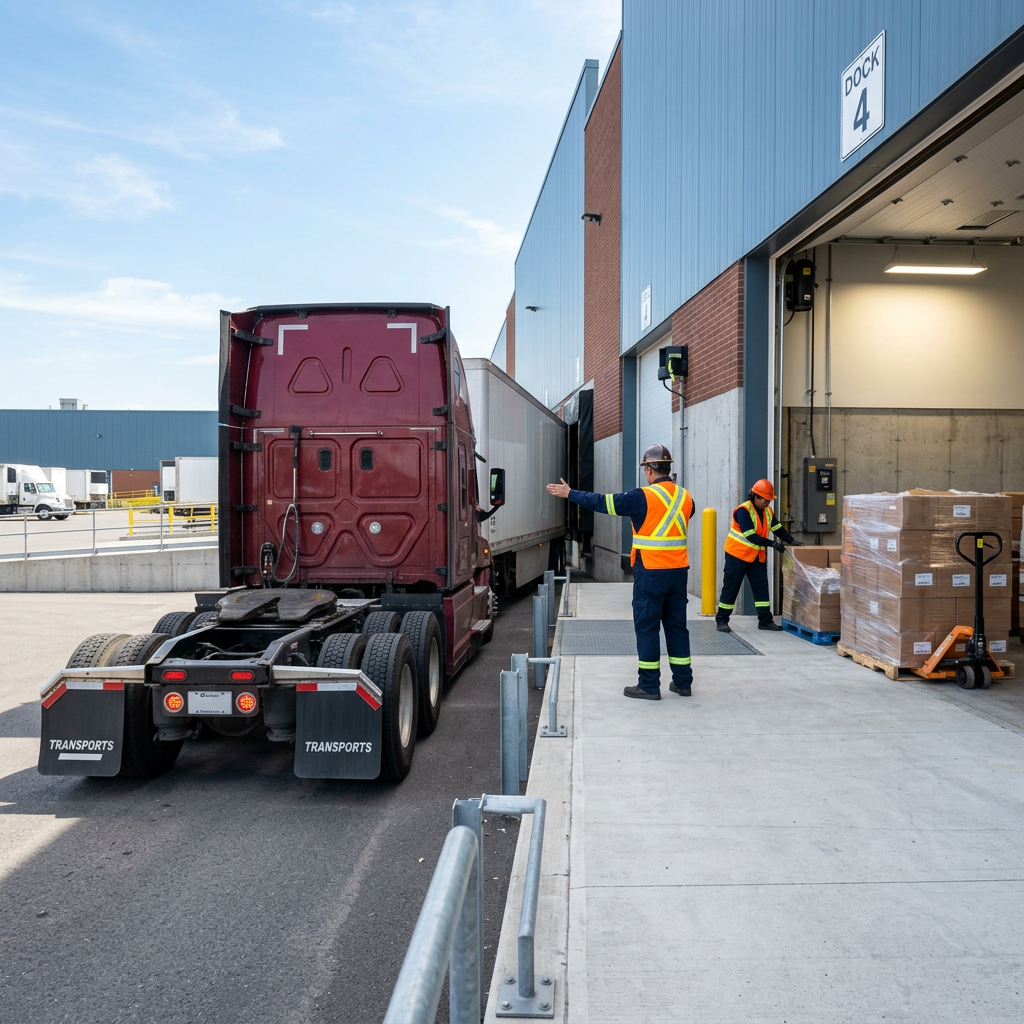
Why Carrier Choice Matters More in Cross-Border LTL
Carrier coordination is the second critical failure point for Quebec to USA shipping. Not every LTL carrier operating domestically in Quebec has the cross-border authority, customs brokerage partnerships, or terminal network needed to move freight reliably into U.S. markets. Choosing the wrong carrier can mean missed pickups, unexpected surcharges, and transit times that stretch well beyond what was quoted.
Why Carrier Choice Matters More in Cross-Border LTL
Domestic LTL shipping within Quebec is relatively straightforward: pick a carrier with good rates and service to your destination terminal. Cross-border LTL shipping from Quebec to USA destinations introduces a layer of complexity that not all carriers handle equally. Carriers need active FMCSA operating authority in the United States, established relationships with customs brokers on both sides of the border, and terminal coverage in the destination region. A carrier that performs well on a Montreal-to-Toronto lane may have no direct service to New York or New England, forcing interline transfers that add days and damage risk.
Quebec to New York shipping, one of the highest-volume cross-border lanes, illustrates this well. Carriers with direct service through the Lacolle or Stanstead crossings can deliver within 2 to 3 business days. Carriers without direct routes may reroute through Ontario, adding an extra terminal stop and 1 to 2 additional days. The rate difference between these two options can reach 15 to 25 percent, which is why comparing cross-border freight rates across multiple carriers before booking is essential.
The Real Cost of Reactive Carrier Selection
Many Quebec businesses still select carriers reactively, calling one or two contacts and accepting the first available quote. This approach leaves money and reliability on the table. Without comparing options side by side, shippers cannot evaluate whether a lower rate comes with slower transit, fewer tracking updates, or a carrier with a history of border-related delays. Transparent freight pricing in Canada is becoming more accessible through digital freight platforms that aggregate carrier options in real time. Platforms like Truxweb allow shippers to send quote requests to multiple vetted carriers simultaneously and compare rates, transit times, and satisfaction ratings before confirming a booking. This shifts carrier selection from a reactive phone call to a data-driven decision.
Proactive Strategies to Eliminate Quebec-to-U.S. Shipping Delays
Avoiding cross-border shipping delays from Quebec is not about luck or hoping for a smooth border crossing. It requires deliberate, repeatable processes that address the root causes of delays before freight ever leaves the warehouse. The following strategies are built around what consistently separates businesses that ship on time from those that do not.
Leveraging Digital Tools for Visibility and Control
Real-time shipment visibility is no longer optional for businesses shipping across the border. When a shipment is in transit between Quebec and a U.S. destination, shippers need to know its status at every stage: dispatched, picked up, at the border, cleared, in transit to the destination terminal, and out for delivery. Without this visibility, problems only surface when a customer calls asking where their order is. Cross-border logistics strategies that incorporate automated alerts and centralized dashboards reduce the response time to exceptions from hours to minutes.
Digital freight platforms also consolidate the quoting, booking, tracking, and payment steps into a single workflow. This eliminates the fragmented communication chains that cause errors. When a shipper can chat directly with a carrier's dispatch team inside the same platform where they booked the load, carrier coordination gaps close quickly. Truxweb's 360-degree shipping dashboard, for instance, provides this unified view across all active shipments, keeping both shippers and carriers aligned on expectations and timelines.
Planning for Border-Specific Variables
Certain variables are unique to cross-border freight and require advance planning that domestic shippers never consider. Seasonal volume surges at crossings like Lacolle during Q4, increased inspection rates tied to U.S. import compliance requirements, and currency exchange fluctuations affecting duty calculations all create friction. Businesses that ship regularly from Quebec to the U.S. should build buffer time into their transit estimates during peak periods and confirm that their customs broker has pre-cleared documentation before the carrier dispatches.
Working with carriers that have established cross-border transportation planning capabilities also reduces exposure to these variables. Carriers experienced in Quebec cross-border logistics know which crossings to use based on time of day, which commodities attract higher inspection rates, and how to sequence their loads to minimize dwell time at the border. What businesses often overlook is that the carrier's border experience can matter as much as the rate they quote.
Conclusion
Cross-border shipping from Quebec to the United States does not need to be unpredictable. The most common causes of delays, from documentation errors to poor carrier selection, are preventable with the right processes and tools. Quebec businesses that invest in structured compliance workflows, data-driven carrier comparison, and real-time shipment visibility consistently achieve faster, more affordable deliveries to U.S. destinations. The path forward starts with replacing reactive habits with proactive systems built for the realities of Canada-U.S. shipping.
Get instant freight quotes from vetted cross-border carriers on Truxweb and start shipping from Quebec to the U.S. with confidence.
Frequently Asked Questions (FAQs)
What documents do I need for Quebec to USA shipping?
You typically need a commercial invoice, bill of lading, Canada Customs Invoice, and a CUSMA certificate of origin if claiming preferential tariff treatment.
How long does shipping take from Quebec to USA?
LTL shipments from Quebec to nearby U.S. states like New York generally take 2 to 5 business days depending on the carrier, crossing used, and whether customs clearance proceeds without issues.
How do I compare freight rates from multiple carriers?
Digital freight platforms let you submit a single quote request to multiple carriers simultaneously, then compare rates, transit times, and service ratings side by side before booking.
How do I avoid customs delays when shipping from Quebec to USA?
Use a pre-shipment compliance checklist to verify all documents are accurate and complete, and work with carriers that have established customs brokerage relationships at your preferred border crossing.
How do digital freight platforms help avoid cross-border delays?
They centralize quoting, booking, tracking, and carrier communication into one workflow, reducing errors from fragmented processes and giving shippers real-time visibility into shipment status at every stage.