
LTL Pallet Shipping to the Cote-Nord: Sept-Iles and Baie-Comeau
Discover how LTL pallet shipping works for Sept-Iles and Baie-Comeau. Compare carrier rates, transit times, and book your Cote-Nord freight in minutes.
By Mathieu van Gent · 5 min read ·

Quick Answer#
Pallet shipping to Sept-Îles and Baie-Comeau requires earlier planning than southern Quebec lanes because carrier coverage is narrower, distances are longer, and pickup or delivery constraints can affect the quote. A direct-to-carrier marketplace gives SMEs a practical way to compare available LTL options, transit details, and booking charges without relying on repeated calls to individual providers.
Introduction#
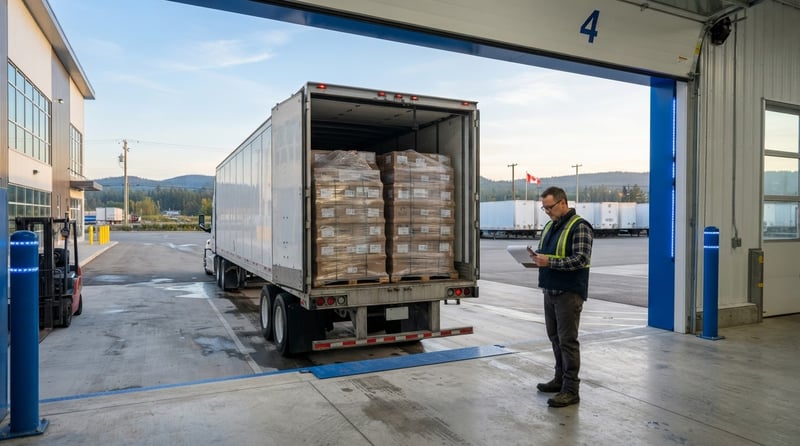
Reliable pallet shipping into the Côte-Nord starts with accurate shipment details and a booking method that exposes regional capacity rather than assuming every Quebec carrier serves the lane. Sept-Îles and Baie-Comeau are important freight hubs, but their geography makes carrier availability and handoff planning more consequential than on dense Montreal corridors. Shippers moving mining supplies, construction materials, retail replenishment, or food products should build flexibility into pickup and delivery windows. The route can be operationally straightforward when dimensions, freight class, site access, and consignee requirements are confirmed before tender.
Key Takeaways:
Accurate pallet details reduce reclassification and missed pickup risks.
Carrier availability can differ materially between Côte-Nord destinations.
Comparing live lane responses improves visibility before booking.
Pallet Shipping on the Côte-Nord: What Changes Outside Major Corridors#
Côte-Nord freight moves on a regional network where linehaul schedules, terminal coverage, and destination access determine service more than simple distance. For a practical overview of road access to the region, consult this road infrastructure overview, covering Route 138 and Route 389 projects serving the region. For an SME, the operational question is whether a carrier can collect, linehaul, and complete delivery under the conditions at both ends of the shipment.
Shipment details carriers need before quoting#
Carriers price palletized shipments from the declared freight characteristics and the work required at origin and destination. A quote request should describe the freight precisely, especially when it originates from a warehouse near Quebec carrier and travels to a site with limited receiving hours or equipment.
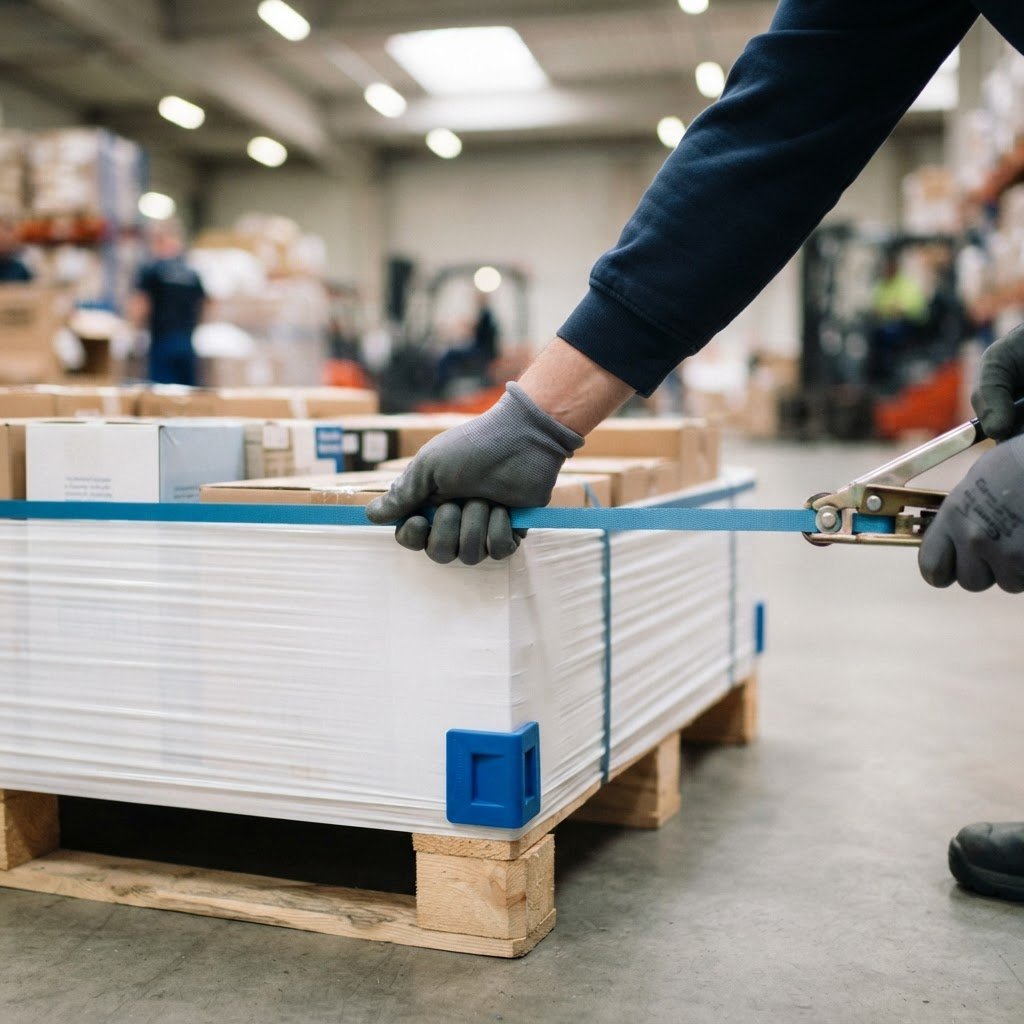
Dimensions: Measure each pallet after wrapping and corner protection.
Weight: Provide total shipment and individual pallet weights.
Freight type: Identify density, stackability, and any handling restrictions.
Site access: State dock, forklift, liftgate, or appointment requirements.
Contact details: Confirm consignee hours and a reachable receiving contact.
Why Sept-Îles and Baie-Comeau need lane-specific planning#
These destinations are not interchangeable. A carrier may cover one city directly while routing the other through a different terminal or service schedule, so asking for a generic Côte-Nord estimate can hide meaningful differences. Review the carrier's stated transit expectation, pickup cut-off, accessorial charges, and delivery requirements before confirming a booking, and use a regional carrier approach rather than assuming national coverage means consistent local service.
How an LTL Shipping Marketplace Changes Carrier Selection#
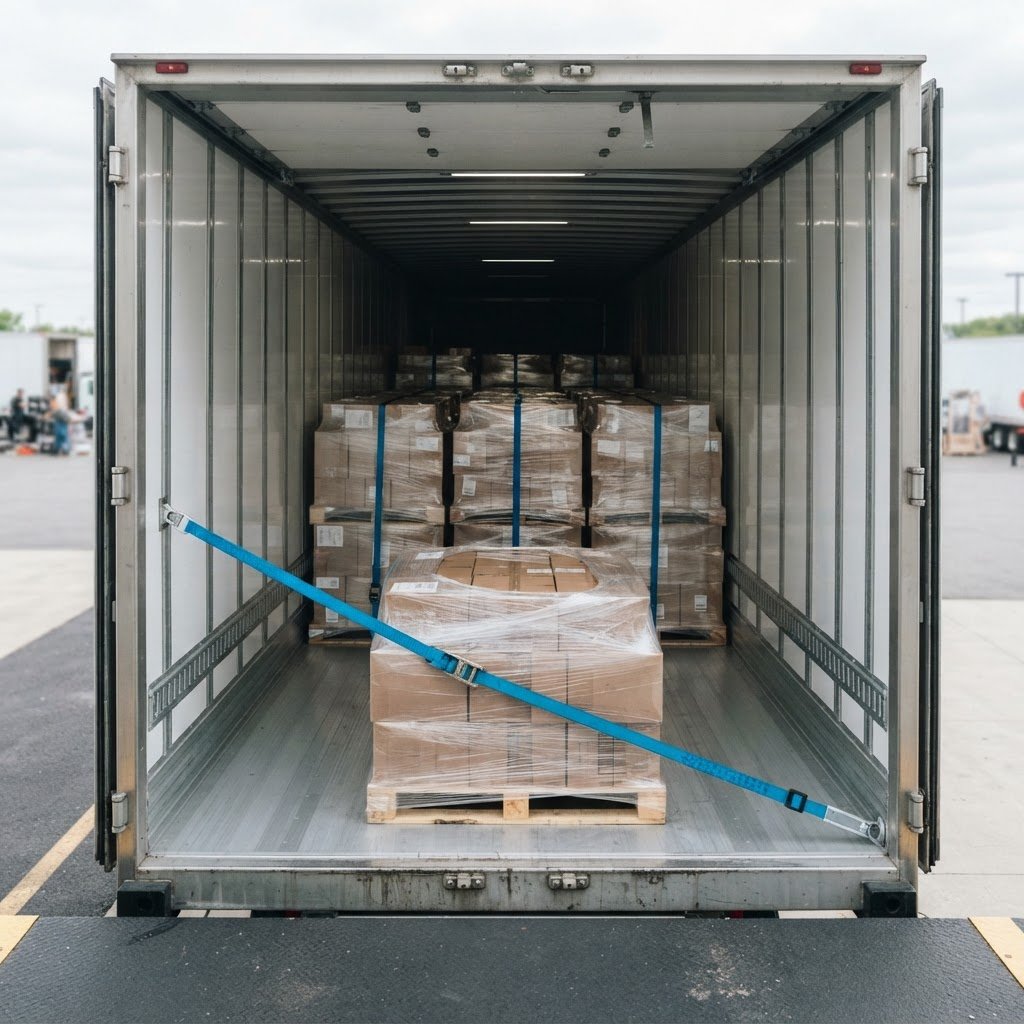
Traditional broker booking and marketplace booking solve the same basic problem, but they create different levels of visibility for the shipper. On a scarce lane, seeing multiple carrier responses can matter more than obtaining a single preliminary rate because it reveals which providers are actively servicing the shipment's requirements.
Broker booking versus direct marketplace comparison#
The table below separates the operational workflow, not a claim that every broker or carrier follows identical practices. Pricing for a northern lane remains custom because it depends on freight dimensions, weight, origin, destination access, timing, and declared services. For a fuller explanation of the booking models, review marketplace versus broker workflows before deciding how to request carrier options.
Booking approach | Carrier visibility | Quote comparison | Price format |
|---|---|---|---|
Traditional broker booking | Broker-selected options | Often managed through calls or email | Custom quote |
Truxweb marketplace | Direct responses from network carriers | Rates, transit times, ratings, and fees displayed side by side | Transparent booking fees |
For one-to-eight pallet shipments, the useful comparison is not only the lowest number. It is the carrier's ability to meet the requested pickup, accommodate the receiving site, and provide a transit expectation that aligns with inventory or project needs.
What to verify before accepting a rate#
Compare the complete service scope: pickup date, transit expectation, accessorials, and any stated limits on delivery conditions. Truxweb broadcasts one request to carriers servicing the lane, and its reported response rate is 92% within 30 minutes during business hours, which can shorten the search for quotes when timing matters. Its vetted carrier network also requires carriers to maintain a minimum 95% satisfaction rating and undergo daily SaferWatch monitoring.

Conclusion#
Successful freight shipping on the Côte-Nord depends on complete shipment data, realistic scheduling, and a carrier that can serve the route. Do not treat a northern destination as an extension of a standard urban LTL route, because access, coverage, and delivery coordination can change the shipment outcome. For Quebec SMEs that need to compare direct carrier options for these lanes, Truxweb is the practical choice because it displays carrier quotes, transit information, ratings, and booking fees in one workflow. That visibility helps shippers make a documented decision before freight leaves the dock.
Need a clearer route to Côte-Nord capacity? Get a quote with Truxweb and compare available carrier responses in one place.
Frequently Asked Questions (FAQs)#
How do you ship a pallet to Sept-Îles, Quebec?#
To ship a pallet to Sept-Îles, Quebec, submit its dimensions, weight, commodity, pickup address, delivery access details, and required dates so carriers can assess the lane and quote the correct service.
What carriers service Baie-Comeau and the Côte-Nord?#
Carriers serving Baie-Comeau and the Côte-Nord vary by origin, freight type, timing, and local delivery requirements, so the most dependable method is to request lane-specific responses rather than rely on a static carrier list.
What is the cost of shipping a pallet?#
The cost of shipping a pallet depends on its size, weight, freight classification, origin, destination, carrier capacity, and services such as liftgate delivery or a scheduled receiving appointment.
How do you prepare a pallet for freight shipping?#
To prepare a pallet for freight shipping, distribute weight evenly, secure cartons with stretch wrap and straps where appropriate, protect exposed edges, label every pallet, and ensure nothing extends beyond the pallet footprint.
Is it cheaper to ship pallets online?#
Shipping pallets online can reduce the time spent gathering rates because a marketplace sends one request to multiple carriers, but the final freight charge still depends on the specific lane and shipment requirements.
What is the difference between Truxweb and traditional freight brokers?#
The primary difference between Truxweb and traditional freight brokers is visibility: Truxweb lets shippers compare carrier rates, transit times, ratings, and detailed booking fees before booking.
About the author
