
LTL for Supplements, Cosmetics, Pharma: Temp, Lot Tracking, Vetting
Not all LTL carriers can handle regulated goods. Discover lot/batch tracking, compliance vetting, and temperature protocols for actives, creams, and capsules.
By Mathieu van Gent · 7 min read ·

Quick Answer#
LTL shipping for supplements, cosmetics, and pharmaceuticals requires documented lot control, defined handling procedures, and carrier accountability at every transfer point. A reefer unit alone does not establish compliance: shippers need records that connect each pallet, batch, temperature requirement, exception, and delivery receipt into a defensible chain of custody.
Introduction#
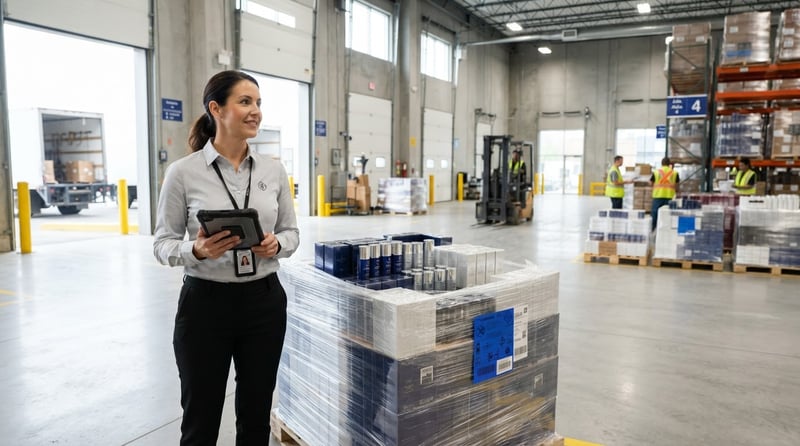
Regulated products moving on LTL freight face more handling events than a dedicated load, which makes carrier discipline as important as equipment. For shipments of actives, creams, capsules, and finished pharmaceutical goods, the carrier must preserve the product's identification and the evidence showing how it moved. The practical test is whether a carrier can explain its process before pickup, document it during transit, and produce usable records after delivery. A missing handoff record can turn an otherwise uneventful shipment into a quality investigation.
Key Takeaways:
Lot identity must remain connected to every pallet through delivery.
Carrier vetting should assess safety controls, documentation, and exception response.
Temperature requirements differ materially among actives, creams, and capsules.
LTL Shipping Controls for Lot Integrity#
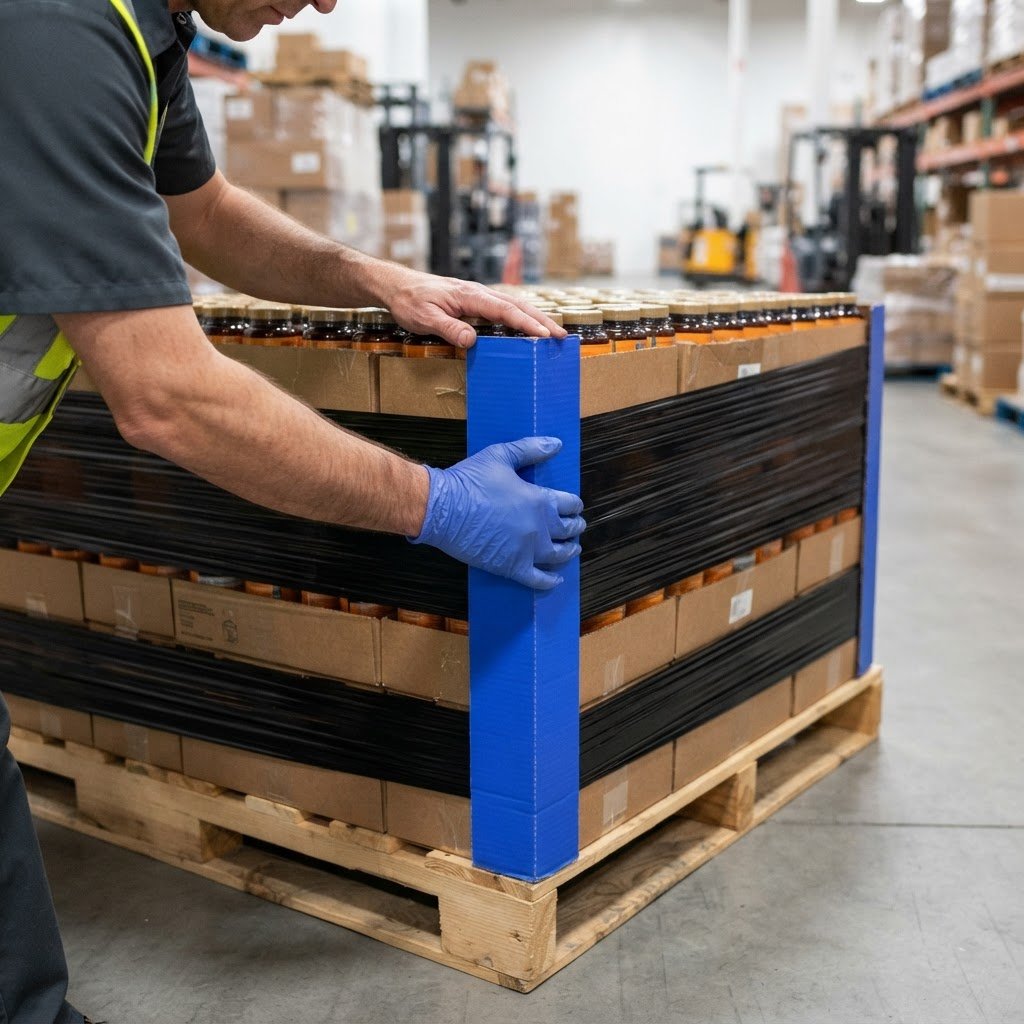
For regulated freight, lot tracking starts before a pallet reaches the dock and ends only when the consignee confirms receipt. The shipper should define the lot or batch reference on shipping documents, tie that reference to pallet identifiers, and make sure exceptions remain traceable to the affected product rather than to a vague shipment number. This is the operational distinction between routine temperature-controlled LTL and a documented movement of regulated goods.
Build a chain of custody around each shipment#
A useful chain of custody identifies what moved, who had it, where a handoff occurred, and what condition was recorded at that moment. Shippers should not assume that a standard bill of lading captures all information needed for a deviation review, especially when freight crosses terminals or changes vehicles. Use shipment instructions that make the product's handling status visible to dispatch, dock teams, drivers, and the receiving team.
Lot reference: Match the shipment record to the released batch.
Pallet ID: Keep labels scannable and linked to the lot.
Seal record: Document seal application and any seal exception.
Handoff evidence: Capture transfer times, locations, and receiver acknowledgment.
Exception log: Isolate affected pallets pending quality review.
Separate logistics records from quality decisions#
The carrier should record facts, not decide whether an excursion or handling event makes product unusable. A shipper's quality team needs the actual pickup, transfer, temperature, delay, and delivery evidence to assess product disposition against its approved procedures. This is why carrier vetting must include documentation quality, not merely on-time performance.

How to Vet LTL Carriers for Regulated Goods#
The best LTL carrier for regulated goods is one that can show a repeatable operating system for safe handling, controlled communication, and documented exceptions. Ask questions that reveal what happens outside the normal delivery path, because delays, reworks, missed appointments, and terminal transfers are where compliance controls are tested. A carrier's answers should identify named process owners and records, not rely on verbal assurances.
Evaluate carrier quality control beyond refrigeration#
Start with written carrier selection criteria that cover warehouse handling, segregation, damage reporting, sanitation expectations, subcontractor use, and escalation. The World Health Organization states that a comprehensive quality assurance system must be founded on reliable control of the quality, safety, and efficacy of a finished product delivered to market, which makes distribution quality systems relevant to transportation decisions. A carrier must also explain how dispatch receives special instructions and how drivers receive actionable handling requirements.
Review safety oversight separately from product-quality controls. SaferWatch safety compliance can help monitor a carrier's federal and provincial safety standing, but safe driving compliance does not by itself prove lot-control capability. Truxweb uses daily SaferWatch monitoring and requires carriers to maintain a minimum 95% satisfaction rating on its marketplace, while shippers still need to supply product-specific handling instructions for each regulated load.
Ask for evidence of escalation and traceability#
Ask a prospective carrier how it reports a broken seal, damaged pallet, missed temperature instruction, refused delivery, or unplanned transfer. The answer should clarify who notifies the shipper, what facts are captured, whether freight can be held, and how the final record is retained. Carrier vetting matters because documented requirements are easier to enforce across a regional network than informal dispatch habits.
For small and medium-sized shippers, a marketplace can make this review more manageable when it exposes operational details alongside rates. Through Truxweb, shippers can compare carrier quotes, transit times, ratings, and booking fees before booking, then use the shipping dashboard and dispatch alerts to maintain visibility. That visibility does not replace the shipper's quality system, but it reduces the risk of managing regulated freight through disconnected calls and email chains.
Temperature Requirements by Product Category#
Temperature-controlled LTL shipping should follow the approved storage and transport conditions for the specific product, not a generic definition of "cold." The temperature sensitivity of an active ingredient, cream, or capsule can create different packaging, monitoring, loading, and exception-reporting needs. The carrier must receive instructions that are specific enough to execute without interpreting a quality standard on the dock.
Actives, creams, and capsules need different shipment instructions#
Actives may require strict protection from temperature variation because stability can depend on narrowly defined storage conditions. Creams and other emulsions can be vulnerable to heat exposure, freezing, or separation, so the shipper should specify acceptable handling boundaries and packaging protections. Capsules can face moisture and heat concerns, making trailer cleanliness, exposure prevention, and prompt transfer documentation as relevant as the stated temperature condition.
Carrier instructions should identify the approved condition, required monitoring evidence, loading restrictions, and the exact action required when a condition cannot be maintained. The WHO's pharmaceutical distribution guidance reinforces that product quality, safety, and efficacy depend on a reliable quality assurance system. A temperature reading without the related lot identity, timing, and handoff context is incomplete evidence.
Convert product requirements into dispatch-ready language#
Write instructions in operational terms: identify the pallets, the required condition, prohibited exposure, required records, and the escalation contact. Avoid sending a quality specification without a transport instruction, since drivers and terminal teams need a clear action rather than an internal product standard. This discipline becomes especially important during carrier-network handoffs, where each participant needs the same current instructions.

Conclusion#
Regulated LTL freight should be selected on evidence of control, not on a promise that a truck can run cold. Protect each shipment with lot-linked pallet records, explicit handling instructions, documented handoffs, and a defined exception process that supports your quality review. For Quebec and Ontario shippers moving one to eight pallets, Truxweb provides access to regional carriers with ongoing safety monitoring while keeping carrier options and shipment updates visible in one workflow. The right process makes it easier to prove what happened to product in transit when questions arise.
Need a clearer way to manage regulated pallet freight? Explore Truxweb's carrier network for direct carrier visibility and booking support.
Frequently Asked Questions (FAQs)#
What is lot tracking in freight shipping?#
Lot tracking in freight shipping is the practice of linking each shipped pallet to its product batch and preserving records that show pickup, transfer, exception, and delivery activity, allowing a shipper to identify which specific goods were involved if a quality review or recall occurs.
How do carriers handle temperature-sensitive pharma shipments?#
Carriers handle temperature-sensitive pharma shipments by following shipper-provided transport conditions, recording required handling events, escalating deviations promptly, and preserving enough shipment context for the shipper's quality team to determine whether the product remained within its approved distribution requirements.
What should a supplements shipper look for in a carrier?#
A supplements shipper should look for a carrier with documented handling procedures, reliable dispatch communication, traceable pallet handoffs, damage and seal reporting practices, safety oversight, and a clear method for notifying the shipper when freight encounters an unexpected delay or condition.
How is carrier compliance verified for regulated freight?#
Carrier compliance for regulated freight is verified through documented operating procedures, safety monitoring, shipment records, training expectations, exception reporting, and periodic performance review, while the shipper remains responsible for defining product-specific quality requirements and evaluating any deviation affecting its goods.
What documentation is needed for pharma LTL shipments?#
Pharma LTL shipments need documentation that identifies the product and lot, pallet count, handling instructions, custody transfers, delivery receipt, and any temperature or handling exception records, so the shipper can reconstruct the shipment's path and support a quality assessment.
Is LTL shipping safe for cosmetics and supplements?#
LTL shipping can be safe for cosmetics and supplements when the shipper uses protective packaging, clear product-specific instructions, lot-linked shipping records, and a carrier process that documents transfers and exceptions, because these controls address integrity risks created by multiple handling points.
About the author
