
LTL Shipping Ontario and Quebec to Georgia and the US Southeast
What Canadian shippers moving LTL freight from Ontario or Quebec into Georgia and the Southeast US need to know about transit times, routing, and cost.
By Max Gravel · 7 min read ·

Quick Answer
Ontario and Quebec LTL shipments to Georgia require disciplined planning because longer distance, border clearance, and carrier handoffs can change both timing and landed cost. Request a lane-specific quote that separates linehaul, fuel surcharge, accessorial charges, and transit assumptions, then choose a carrier with established Southeast coverage.
Introduction
LTL shipping into Georgia and the Southeast can work reliably for Canadian SMEs when the shipment is tendered with complete commercial documents and a network designed for the full route. The lane is materially longer than many Northeast or Midwest moves, so a missed pickup window, incomplete customs data, or late interline transfer has more room to affect delivery. Atlanta matters because approximately 25% of the U.S. population is within a one-day truck drive, while more than 80% of commercial and consumer markets are reachable within two days, according to Atlanta freight transportation.[1] The Cargo Atlanta freight study also examines the region's freight transportation corridors and logistics role.[2] That reach makes the final network design as important as the Canadian pickup.
Key Takeaways:
Long-haul LTL pricing combines distance, freight characteristics, fuel, and service requirements.
Complete customs paperwork prevents avoidable holds before the freight enters the U.S.
Established Southeast coverage reduces uncertainty created by late-stage carrier handoffs.

LTL shipping: plan the full Ontario or Quebec to Georgia lane
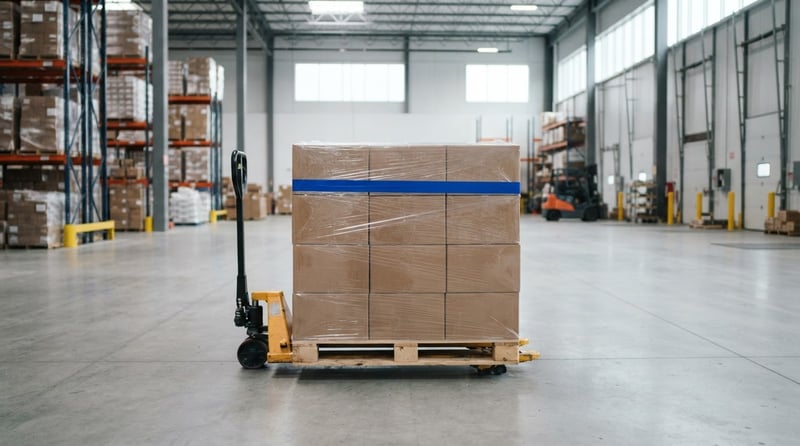
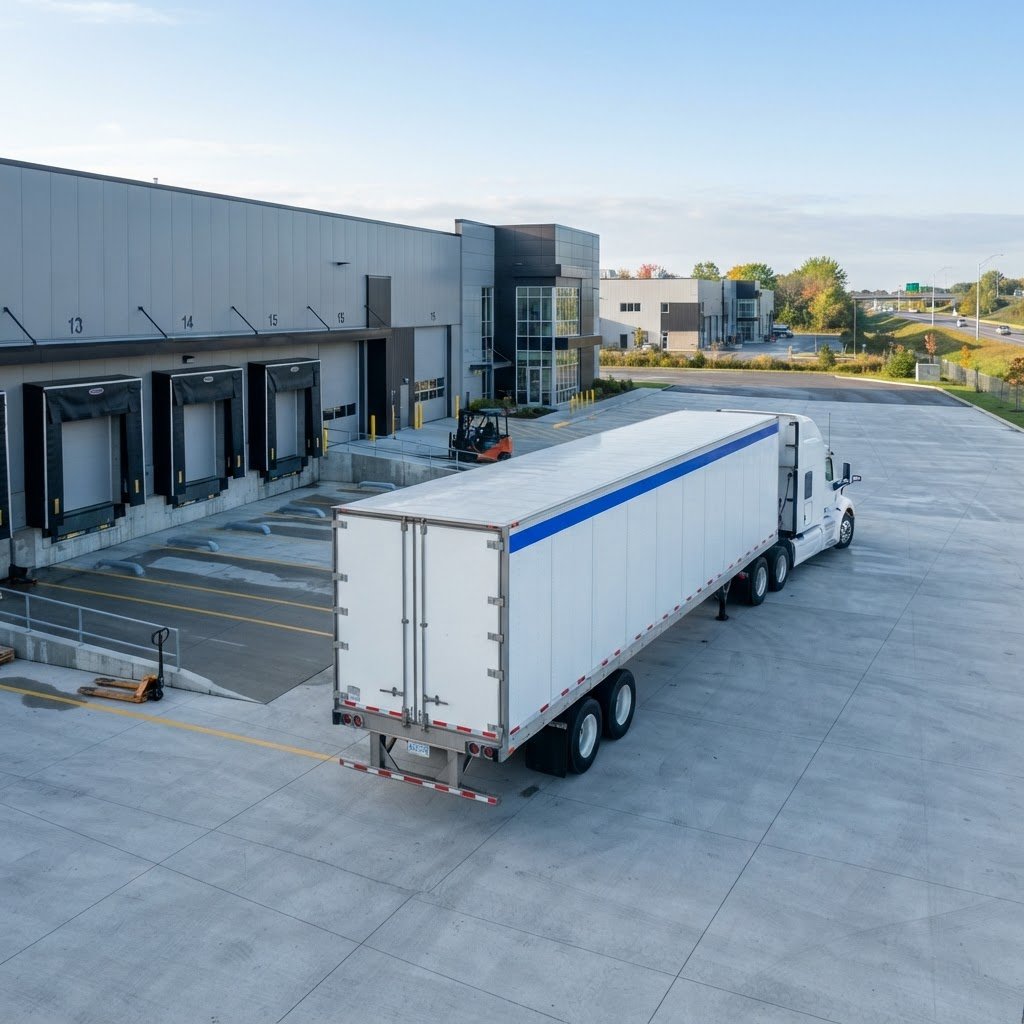
Cross-border LTL shipping from Canada is a connected sequence of pickup, export processing, border presentation, linehaul movement, terminal sorting, and final delivery. Freight may move through a Canadian origin terminal, cross at an appropriate commercial port, and continue through U.S. interior terminals before Georgia delivery. Retail replenishment, packaged consumer goods, displays, and palletized components are common examples because they rarely require a full trailer.
Build a shipment file before pickup
The carrier can only move freight as smoothly as the shipment data permits. A precise bill of lading, commercial invoice, commodity description, consignee contacts, pallet count, weight, dimensions, and customs instructions allow the carrier and customs partners to match the physical freight to the declaration. CBSA carrier code requirements state that carriers and freight forwarders must enrol for a carrier code to do business with the CBSA, so confirm that the selected provider can manage the required advance cargo process.[3]
Commodity description: State what the goods are, not only an internal SKU.
Invoice values: Match declared values to the commercial sale documentation.
Packaging: Secure pallets for repeated terminal handling.
Delivery details: Flag appointments, limited access, and receiving-hour restrictions.
Expect routing choices, not one uninterrupted truck trip
An LTL shipment may be consolidated with compatible freight, moved between terminals, and transferred to a regional delivery carrier for the final leg. A carrier with direct Southeast reach controls more of those touches, whereas a carrier relying on an interline partner may introduce an additional transfer and a separate delivery schedule. Shippers already familiar with LTL to Pennsylvania or LTL to New England should not assume the same routing pattern applies farther south.
How LTL shipping rates change on a long Southeast lane
LTL shipping rates are custom to the shipment, not a single public price for the Ontario or Quebec to Georgia corridor. Linehaul reflects lane distance and freight density, while fuel surcharge, freight class, pallet footprint, handling needs, and delivery conditions can materially change the final total. Compare the all-in amount rather than treating a low base rate as the lowest landed cost.
Use a cost and transit scenario to test each quote
Consider a hypothetical palletized consumer-goods shipment from Quebec or Ontario to an Atlanta-area receiver. No fixed price or transit promise applies without the origin, destination, weight, dimensions, class, customs profile, and service requirements, but the comparison below shows the operational questions a quote should answer.
Quote element | Direct Southeast network | Interline final leg |
|---|---|---|
Linehaul basis | Distance-adjusted carrier pricing | Distance-adjusted pricing plus partner movement |
Transit commitment | Carrier-controlled terminal sequence | Depends on transfer acceptance and delivery schedule |
Fuel surcharge | Quoted separately or included in total | May reflect more than one network segment |
Exception handling | One primary operating contact | May require coordination across carriers |
Final-mile visibility | Managed within the carrier network | Depends on partner status updates |
The key cost scenario is not a guessed dollar amount. It is a quote where every charge is visible, the transit estimate identifies the service level, and the provider explains whether the final delivery remains inside its own network.
For a representative shipment, ask the provider to quote standard service and any expedited alternative using the same shipment profile. Then compare freight charges, fuel surcharge, border-related handling, appointment fees, and accessorials line by line. This is how to compare LTL freight rates in Canada without masking a higher delivered total behind a lower initial linehaul figure.
Keep fuel and accessorial exposure visible
Fuel is especially important on a longer lane because it applies to more linehaul movement, while missed appointments, residential delivery, liftgate service, and inaccurate dimensions can trigger additional charges. A consolidated LTL billing process helps finance teams reconcile one shipment record against the quoted components rather than sorting through separate carrier invoices. Truxweb lets shippers compare carrier quotes, transit times, ratings, and detailed booking fees before booking.

Choose a carrier network that can manage the Southeast
Georgia delivery should be evaluated as part of a wider Southeast distribution plan, not as a single destination postal code. The Atlanta region forecasts freight traffic growth from 69% in a low-growth scenario to 118% in a high-growth scenario between 2019 and 2050, according to regional freight forecasts.[1] Growing corridor demand makes capacity, terminal discipline, and exception communication operational priorities.
Check network control before accepting the lowest rate
Ask who performs pickup, border movement, linehaul, and Georgia final delivery, and request clarity on where consolidation or interline handoffs occur. A reliable LTL carrier network should also explain how it handles customs exceptions, delivery appointments, and status updates when freight changes terminals. Cross-border LTL shipping requires this visibility because border readiness and domestic delivery execution are inseparable.
Data can help teams validate whether a lane is strategic enough to justify recurring capacity planning. Shipment quotes should remain specific to the actual pallets and service needs.
Use a repeatable quote-review process
For one to eight pallets, capture shipment details once and seek comparable offers from qualified carriers rather than calling providers sequentially. Truxweb enables shippers to compare offers from carriers servicing their lane, with concierge support available when a shipment needs attention. That process supports freight shipments from Ontario to the United States without forcing a growing business to build a large internal dispatch function.
Conclusion
Long-haul LTL into Georgia succeeds when the shipper treats customs readiness, routing control, and total landed cost as one decision. Document the freight accurately, require transparent fuel and accessorial treatment, and review whether the carrier owns the Southeast delivery path or hands it off late in transit. For Canadian SMEs shipping this corridor, Truxweb is a practical choice for comparing direct carrier options, transit expectations, and detailed booking fees in one workflow. A distance-adjusted quote is the starting point for a reliable delivery plan.
Frequently Asked Questions (FAQs)
What is LTL shipping?
LTL shipping is a freight method in which multiple shippers share trailer capacity, so each shipper pays for the space and handling associated with their palletized shipment rather than reserving an entire truck.
How long does it take to get LTL shipping quotes?
LTL shipping quotes can arrive quickly when the origin, destination, pallet dimensions, weight, commodity description, and required service details are complete, while incomplete shipment data often delays accurate carrier pricing.
How do I calculate LTL shipping costs?
LTL shipping costs are calculated from distance, shipment weight and dimensions, freight class, fuel surcharge, border processing needs, and any pickup or delivery accessorial services requested for the shipment.
What documents are needed for LTL shipping?
LTL shipping normally needs a bill of lading, commercial invoice, accurate commodity details, shipment values, consignee information, and customs instructions that match the physical freight and transaction records.
How can I ensure on-time LTL delivery?
On-time LTL delivery depends on accurate shipment information, secure packaging, confirmed receiving hours, complete customs documentation, and a carrier network that provides clear status updates through each handoff.
Sources
- Freight Transportation - ARC — ARC ↩
- Cargo Atlanta freight study — atldot.atlantaga.gov ↩
- Cargo and warehouse business requirements — cbsa-asfc.gc.ca ↩
About the author

 FTL Shipping Cost: What Factors Affect Your Freight Bill?
 How US-Canada Tariffs Are Affecting Freight Shipping Costs