LTL Pallet Shipping to Saguenay–Lac-Saint-Jean (2026)
Discover how LTL pallet shipping to Saguenay–Lac-Saint-Jean works in 2026, from rates to transit times, and book affordable freight without broker delays.
By Max Gravel · 7 min read ·

Quick Answer#
LTL shipping is a practical way to move one to eight pallets to or from Saguenay–Lac-Saint-Jean without paying for an entire truck. The most reliable approach is to provide exact shipment details, compare carrier-specific quotes and transit commitments, and confirm accessorial needs before booking.
Introduction#
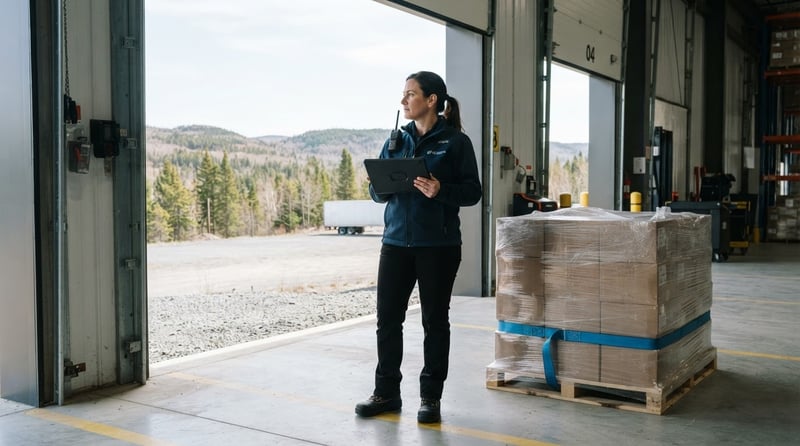
For regional shippers, LTL shipping across Canada can feel difficult when a lane sits outside the busiest Quebec corridors. Less than truckload freight works by combining compatible shipments in one trailer, which makes it suitable for manufacturers, distributors, and retailers moving palletized goods. Rates and pickup timing depend heavily on the origin, destination, freight characteristics, and terminal network serving the lane. A missing delivery instruction can turn an otherwise straightforward shipment into an avoidable charge or delay.
Key Takeaways:
- Accurate pallet details produce more usable carrier quotes.
- Regional access requirements affect both price and delivery planning.
- Digital comparison reduces time spent requesting freight quotes.
LTL shipping Saguenay-Lac-Saint-Jean: regional realities#
Saguenay–Lac-Saint-Jean freight lanes require more planning because collection and delivery points are farther from major consolidation hubs. LTL carriers may route freight through regional terminals, so a quote should be evaluated on stated transit time and service conditions, not price alone. The region's industrial activity also makes appointment coordination, loading equipment, and accurate commodity descriptions operationally important.
What carriers need before quoting pallet freight#
Complete shipment data lets a carrier assess handling requirements and select an appropriate network path. For palletized freight shipments, goods should be stacked and secured on a wooden or plastic pallet so a forklift can move the load as one unit. Use the same information internally and on the bill of lading to reduce reclassification or pickup issues.
- Pickup address: Include postal code and operating hours.
- Delivery access: Note appointments, docks, lifts, or restricted streets.
- Pallet dimensions: Measure length, width, height, and total weight.
- Commodity description: State the goods and packaging clearly.
- Handling needs: Identify hazardous, temperature-sensitive, or fragile freight.
Packaging protects service and quoted pricing#
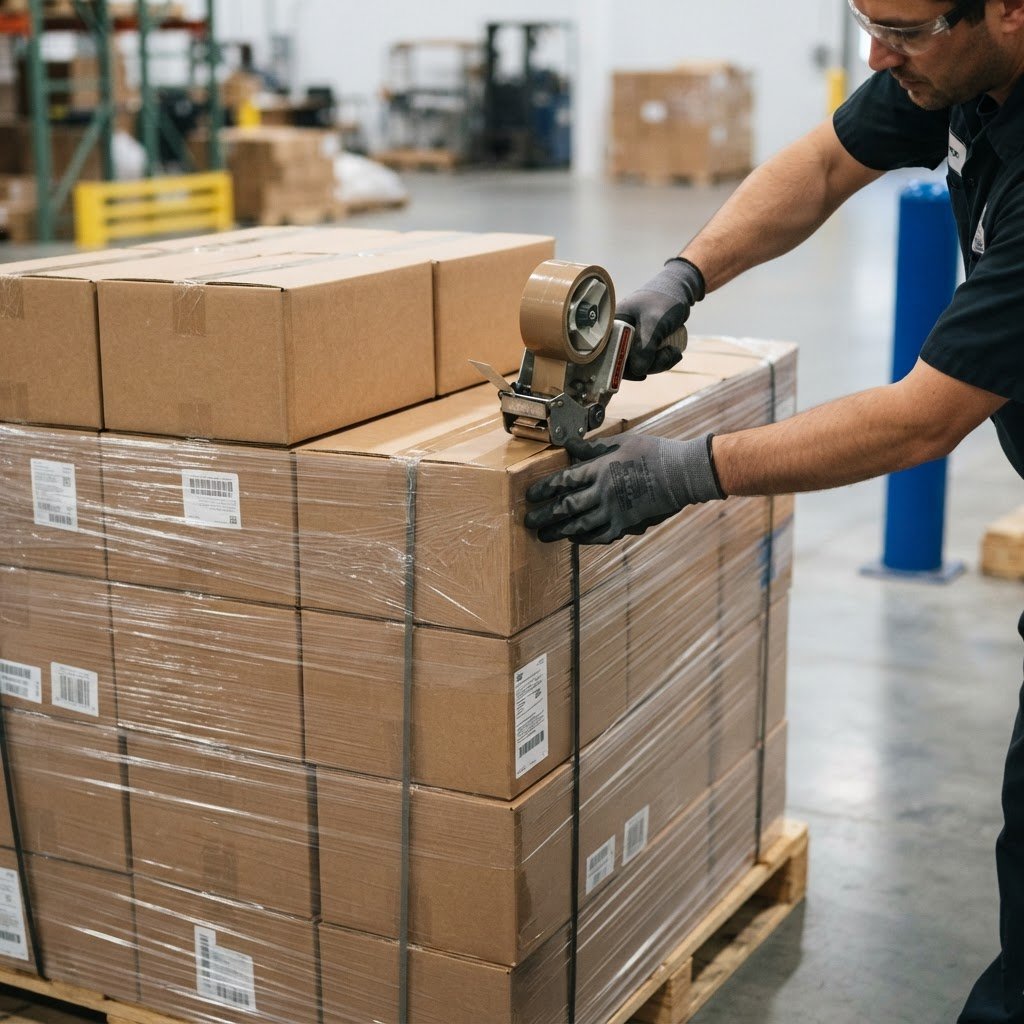
Packaging is part of the shipment specification, not an afterthought. A structurally sound pallet has no broken deck boards, split stringers, or protruding nails, and freight should not overhang its edge. Good LTL packaging requirements matter because a terminal can refuse freight or apply a repackaging, reconditioning, or handling fee when packaging fails inspection. The cost of proper packaging, including sound pallets, stretch wrap, corner boards, and labels, is a fraction of the cost of a single damage claim.

How LTL freight rates and booking paths differ#
Bulk pallet shipping rates are custom because carriers price by freight class, weight, distance, and accessorial services. A quote can change when dimensions are inaccurate or when the pickup or delivery requires equipment, an appointment, residential service, or inside delivery. Inside delivery is a separate fee when freight must move beyond the receiving area; it can be non-optional when the delivery location requires it, so it should be identified and budgeted at booking.
LTL freight brokers vs digital marketplaces#
The key difference is how the shipper sees and acts on carrier options. A conventional broker gathers pricing through its own process, while a marketplace can show available rates and service details for comparison. For businesses assessing marketplace and broker workflows, visibility into fees and transit commitments is often more useful than a single emailed estimate.
This comparison focuses on the operating information a shipper can review before confirming a regional load.
| Booking path | Quote collection | Rate visibility | Operational communication |
|---|---|---|---|
| Traditional broker | Broker requests carrier pricing | Usually a single quoted option | Managed through broker contacts |
| Direct carrier account | Shipper requests one carrier quote | One carrier's rate structure | Managed with that carrier |
| Truxweb marketplace | One request reaches network carriers | Rates, transit times, ratings, and booking fees shown side by side | Dashboard alerts and carrier dispatch chat |
For routine regional movements, Truxweb reports that 92% of carriers reply within 30 minutes during business hours, while the final quote still depends on the shipment details submitted. Its Canadian LTL rates resources can help shippers frame the variables before requesting pricing.
Compare carrier commitments, not only the lowest number#
Ask whether the quoted service includes pickup timing, terminal routing, appointment handling, and any accessorial charges. A carrier's stated transit time is a planning input rather than a guarantee when weather, road conditions, receiver availability, or freight exceptions affect a remote lane. Regional freight activity remains important to the area, including the Saguenay port activity that connects local industry with broader transport networks.

Book regional pallet freight with fewer handoffs#
Start with measured, wrapped, and labelled pallets, then enter the pickup and delivery details exactly as they will be used on the shipping documents. Compare the available carrier choices on service terms as well as price, select the option that matches the required delivery window, and retain the confirmation and bill of lading for pickup. Businesses seeking Quebec LTL carriers should also verify that the chosen service matches dock access and receiver hours. Shippers moving freight west can also review Quebec western LTL routes when planning service beyond the region.
Use a single shipment record from quote through delivery#
A single source of shipment information reduces mismatches between sales, warehouse, accounting, and dispatch teams. On Truxweb, a shipper can submit one request to carriers serving the lane, compare booking details, and pay through a consolidated statement. The platform also provides dispatch, pickup, and delivery email alerts, which helps the consignee prepare for the arrival.
Resolve exceptions before freight reaches the terminal#
Contact the carrier promptly if pallet counts, dimensions, addresses, receiver hours, or required services change after booking. Early correction gives dispatch a chance to adjust the pickup plan before the shipment enters a terminal network. Truxweb's concierge team is available around the clock to help manage operational issues between shipper and carrier.
Conclusion#
Shipping pallet freight in Saguenay–Lac-Saint-Jean becomes more predictable when the quote reflects the actual freight, site access, and delivery requirements. Protect the load, document its dimensions, and evaluate transit and accessorial terms before accepting a rate. For SMEs moving one to eight pallets, Truxweb is a practical choice because it connects them directly with regional carriers and presents comparable booking information in one place. Clear shipment data remains the strongest safeguard against unexpected handling issues.
Need a faster way to compare regional freight options? Request a quote with Truxweb for your next pallet shipment.
Frequently Asked Questions (FAQs)#
What is less than truckload (LTL) shipping?#
Less than truckload shipping is a freight method that combines multiple shippers' palletized loads in one trailer, allowing a business to pay for the space and handling its freight requires rather than reserving the vehicle's full capacity.
How can I find the best LTL shipping rates in Saguenay-Lac-Saint-Jean?#
Finding the best LTL shipping rates in Saguenay-Lac-Saint-Jean starts with exact weights, dimensions, freight class, addresses, and accessorial needs, because carriers use those details to calculate custom pricing for distance, handling, and regional service conditions.
Can I ship one to eight pallets easily to Saguenay-Lac-Saint-Jean?#
Shipping one to eight pallets to Saguenay-Lac-Saint-Jean is feasible through LTL service when each pallet is securely prepared, accurately measured, and paired with complete pickup and delivery instructions that let carriers assess the required handling and routing.
How long does it take to get an LTL quote for Saguenay-Lac-Saint-Jean?#
Getting an LTL quote for Saguenay-Lac-Saint-Jean depends on carrier availability and shipment completeness, although Truxweb reports that 92% of carriers on its network reply within 30 minutes during business hours after receiving a request.
Are there hidden fees in LTL shipping to regional Quebec?#
Hidden-fee concerns in LTL shipping to regional Quebec are best managed by confirming accessorial services before booking, since inside delivery, appointments, special equipment, and packaging corrections can create charges beyond the base transportation rate.
How do I choose the best LTL carrier for Saguenay-Lac-Saint-Jean?#
Choosing an LTL carrier for Saguenay-Lac-Saint-Jean requires comparing quoted transit terms, service coverage, pickup capability, delivery access requirements, and stated fees, then selecting a service whose operational conditions match the shipment and receiver.
About the author