


Introduction
Most businesses that ship freight across Canada assume their costs are primarily driven by carrier rates. The reality is far less comfortable. Internal logistics operations mistakes, from data entry errors to poor carrier selection habits, are responsible for a significant share of the surcharges, rebills, and wasted spend that quietly erode shipping budgets. For SMBs in Ontario and Quebec moving 1 to 8 pallets at a time, these errors compound fast because every unnecessary fee chips away at already tight margins. The difference between a business that controls freight cost optimization and one that bleeds money often comes down to five or six operational habits that are entirely within the shipper's control.
Data Errors and Booking Gaps That Inflate Every Invoice
The most expensive logistics mistakes rarely look expensive when they happen. They show up as small data errors during booking, overlooked accessorial requirements, or freight class mismatches that trigger invoice adjustments weeks later. Fixing these issues starts with understanding exactly where the process breaks down and what you are actually paying for on each shipment.
Inaccurate Shipment Data Is the Most Expensive Habit in Freight
When weight, dimensions, or freight class are entered incorrectly at the time of booking, the quoted rate becomes meaningless. Carriers will re-weigh and re-measure shipments at the terminal, and if the actual specs do not match the booking, a rebill follows. For LTL shipping in Canada, rebills typically add 15% to 30% on top of the original quote, plus administrative fees for the correction. This is not a rare occurrence. Freight bill errors are one of the most common sources of cost inflation across the industry, yet many shippers treat them as unavoidable.
- Wrong freight class: Misclassifying density-based freight triggers automatic reclassification and a higher rate at the carrier's discretion
- Estimated weights: Guessing pallet weight instead of using a scale leads to consistent under-declarations and rebills
- Missing dimensions: Omitting height or width causes carriers to apply dimensional weight pricing, which almost always costs more
- Incomplete addresses: Missing suite numbers, dock instructions, or contact details lead to failed deliveries and redelivery charges
The fix is straightforward but requires discipline. Every shipment needs verified weight from a calibrated scale, accurate dimensions measured at the warehouse, and the correct NMFC freight class confirmed before a quote is requested. Platforms that enforce complete shipment data at the point of entry eliminate the most common source of post-invoice surprises.
Overlooking Accessorial Charges Until They Appear on the Invoice
Accessorial charges are the fees carriers apply for services beyond standard dock-to-dock transport. Liftgate delivery, inside delivery, residential delivery, appointment scheduling, and limited access locations all carry surcharges that can add $50 to $200 per shipment. The problem is not that these fees exist. The problem is that many shippers do not account for them at the time of booking, so the quoted price never reflects the actual cost of the shipment.
Shipping managers who routinely forget to flag accessorial requirements end up absorbing hidden costs that impact the shipping budget month after month. The solution is to build an accessorial checklist into the booking workflow. Before requesting a quote, confirm whether the destination requires a liftgate, whether delivery appointments are mandatory, and whether the location qualifies as limited access. Adding these details upfront means the quote you receive is the price you actually pay.
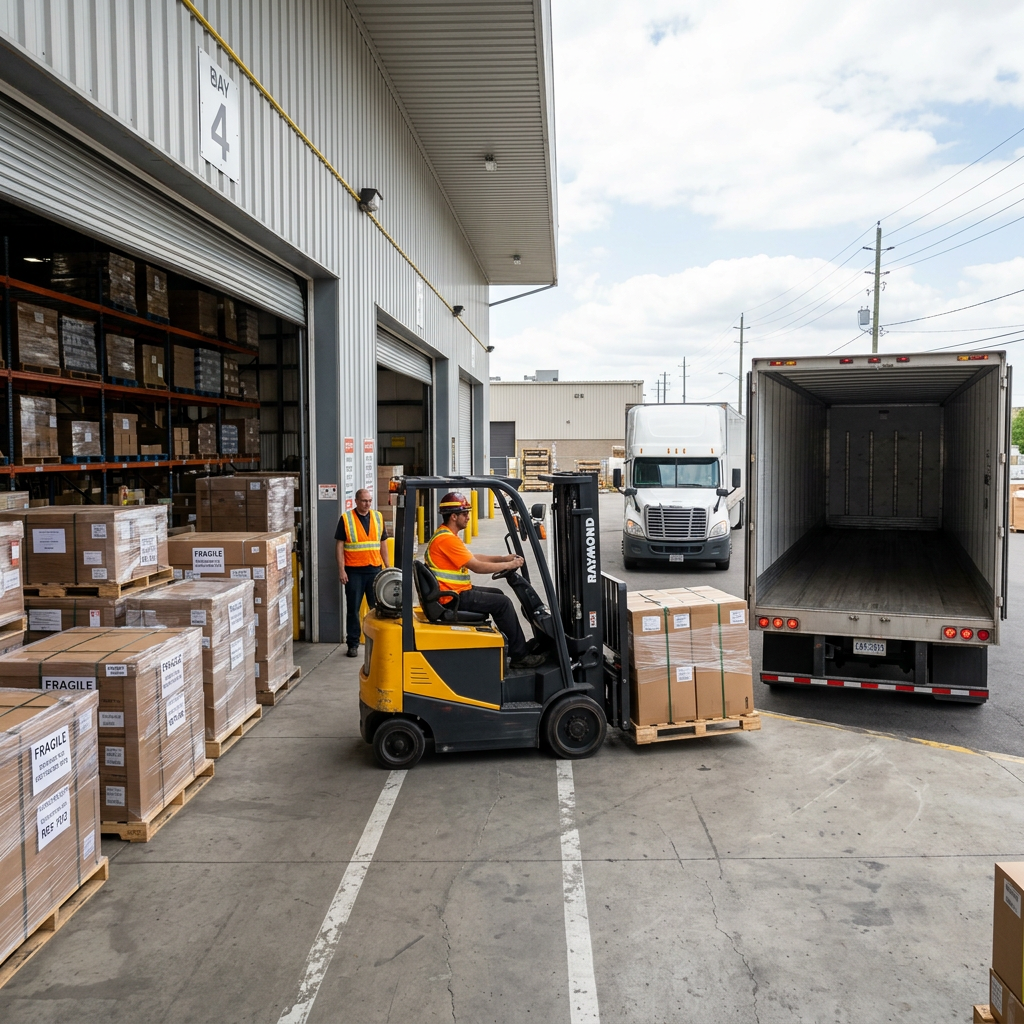
Poor Carrier Selection and Reactive Scheduling Drain Budgets
Even when shipment data is accurate, the way a business selects carriers and schedules pickups can silently add thousands of dollars in unnecessary freight spend per quarter. These are process failures, not pricing failures, and they tend to persist because the shipper never sees a single line item that says "bad decision surcharge." The cost is buried in consistently higher rates and missed opportunities for savings through better supply chain logistics.
Defaulting to One Carrier Without Comparing Options
Many SMBs develop a relationship with a single carrier and route every shipment through that provider out of habit. While carrier loyalty has some value, it also means the business never tests the market. LTL rates between Ontario and Quebec, for example, can vary by 20% to 40% depending on the carrier, the lane, and the time of year. A shipper who never compares is almost certainly overpaying on a significant portion of their volume.
The comparison does not need to be time-consuming. A carrier comparison platform that returns multiple quotes simultaneously allows a shipping manager to evaluate rate, transit time, and carrier rating in under five minutes. Strategic carrier selection based on lane-specific performance data, rather than habit, is one of the fastest ways to reduce average cost per shipment. Truxweb's instant quote comparison engine, for instance, delivers responses from multiple vetted carriers within minutes, so shippers across Ontario and Quebec can make informed decisions on every booking without adding time to their workflow.
Reactive Scheduling Creates Urgency Premiums
Businesses that wait until a shipment is urgent before booking it pay significantly more than those who plan ahead. Rushed pickups limit carrier availability, eliminate the option to consolidate shipments, and often trigger expedited service fees. For businesses shipping 1 to 8 pallets at a time, freight scheduling problems are one of the most consistent drivers of avoidable cost.
The pattern is predictable. A customer order comes in late, the warehouse scrambles to prepare the shipment, and the shipping manager books the first available carrier at whatever rate is offered. Over time, this reactive cycle becomes the default workflow. Breaking it requires building shipment planning into the order fulfillment process at least 48 hours ahead of the required ship date, which opens up the full range of carrier options and strategies to manage shipping surcharges rather than accepting whatever is available at the last minute.
Lack of Visibility and Manual Processes Compound Every Other Mistake
The mistakes described above become far more damaging when a business lacks visibility into its own shipping data. Without a centralized view of carrier performance, shipment status, and cost trends, every error repeats because no one has the information needed to catch it. Transportation logistics management without visibility is essentially operating blind.
No Carrier Performance Tracking Means No Accountability
If a carrier consistently delivers late, damages freight, or triggers rebills, but the shipper has no centralized record of those incidents, the shipper will continue booking with that carrier. Carrier performance data should be a core input into every booking decision. Metrics like on-time delivery percentage, claims ratio, and average rebill frequency tell a shipper exactly which carriers earn repeat business and which ones cost more than their quoted rate suggests.
Businesses that track carrier performance data across their shipment history quickly identify patterns that save real money. A carrier quoting $50 less per shipment but generating rebills on 20% of bookings is not actually cheaper. Truxweb addresses this by requiring all carriers on its platform to maintain a minimum 95% customer satisfaction rating, giving shippers a pre-vetted pool where performance is already monitored.
Manual Workflows Slow Everything Down and Introduce Errors
Businesses still managing freight through email chains, phone calls, and spreadsheets are spending hours per week on tasks that a digital platform handles in minutes. Manual processes introduce transcription errors, make it difficult to compare historical rates, and create communication gaps between the shipper and carrier dispatch. When visibility depends on manual updates, information is always delayed and often incomplete.
The shift from manual to digital freight booking is not just about speed. It is about creating an auditable record of every decision, quote, and carrier interaction. When a rebill arrives, the shipper can immediately verify what was booked versus what was invoiced. When a delivery is late, the communication trail is already documented. This kind of operational visibility transforms freight management from a reactive cost center into a controlled, optimizable process. Businesses that make the switch typically find that the time savings alone, often 3 to 5 hours per week for a shipping manager, justify the transition before any rate savings are factored in.
Conclusion
Higher freight costs are rarely caused by a single bad rate. They accumulate through repeated operational mistakes: inaccurate data, ignored accessorials, habitual carrier selection, reactive scheduling, and manual workflows that lack visibility. For small and medium-sized businesses shipping freight across Canada, auditing these five areas is the fastest path to meaningful logistics cost reduction. Every fix described here is within reach, and most can be implemented within a single shipping cycle by adopting better pre-booking habits and moving to a digital freight platform that enforces accuracy and transparency at every step.
Start comparing carrier rates and booking smarter today at Truxweb.
Frequently Asked Questions (FAQs)
How can I reduce freight shipping costs?
You can reduce freight shipping costs by ensuring accurate shipment data at booking, comparing quotes from multiple carriers on every shipment, planning pickups at least 48 hours in advance, and tracking carrier performance to avoid providers that consistently generate rebills or delays.
What are common logistics operations mistakes that increase costs?
The most common mistakes include entering inaccurate weight or dimensions, overlooking accessorial charge requirements, defaulting to a single carrier without comparing rates, booking reactively under time pressure, and relying on manual processes that lack shipment visibility.
How does poor shipment data lead to higher freight rates?
When weight, dimensions, or freight class are entered incorrectly, carriers re-measure shipments at the terminal and issue rebills that typically add 15% to 30% on top of the original quoted rate, plus administrative correction fees.
How does a freight marketplace compare to a broker for cost savings?
A freight marketplace connects shippers directly with carriers, eliminating brokering fees and providing transparent pricing, while a broker adds a markup as an intermediary, meaning the shipper pays more for the same carrier service.
What logistics mistakes do small businesses in Ontario make?
Small businesses in Ontario frequently overpay on freight by relying on a single carrier relationship, failing to verify shipment details before booking, and not accounting for accessorial charges like liftgate or residential delivery fees at the quoting stage.