


Quick Answer
International freight shipping costs rise when a base rate excludes fuel, border work, pickup or delivery conditions, storage, and corrections to shipment details. Prevent surprises by asking which charges are included, documenting the shipment accurately, and reviewing the carrier's terms before freight is collected.
Introduction
A low freight quote is useful only when it reflects the shipment that will actually move. For Quebec and Ontario businesses shipping across the border, costs often change when the carrier encounters a nonstandard dock, incomplete customs data, a delayed receiver, or dimensions that differ from the booking. The invoice should separate transportation from services triggered by the shipment's circumstances. That distinction matters because the operational detail at pickup or the border can change the final charge after the truck is already assigned.
Key Takeaways:
Confirm every included and conditional charge before approving a freight booking.
Accurate documents, dimensions, and pickup details reduce avoidable billing adjustments.
LTL shipments are especially sensitive to handling and accessorial requirements.
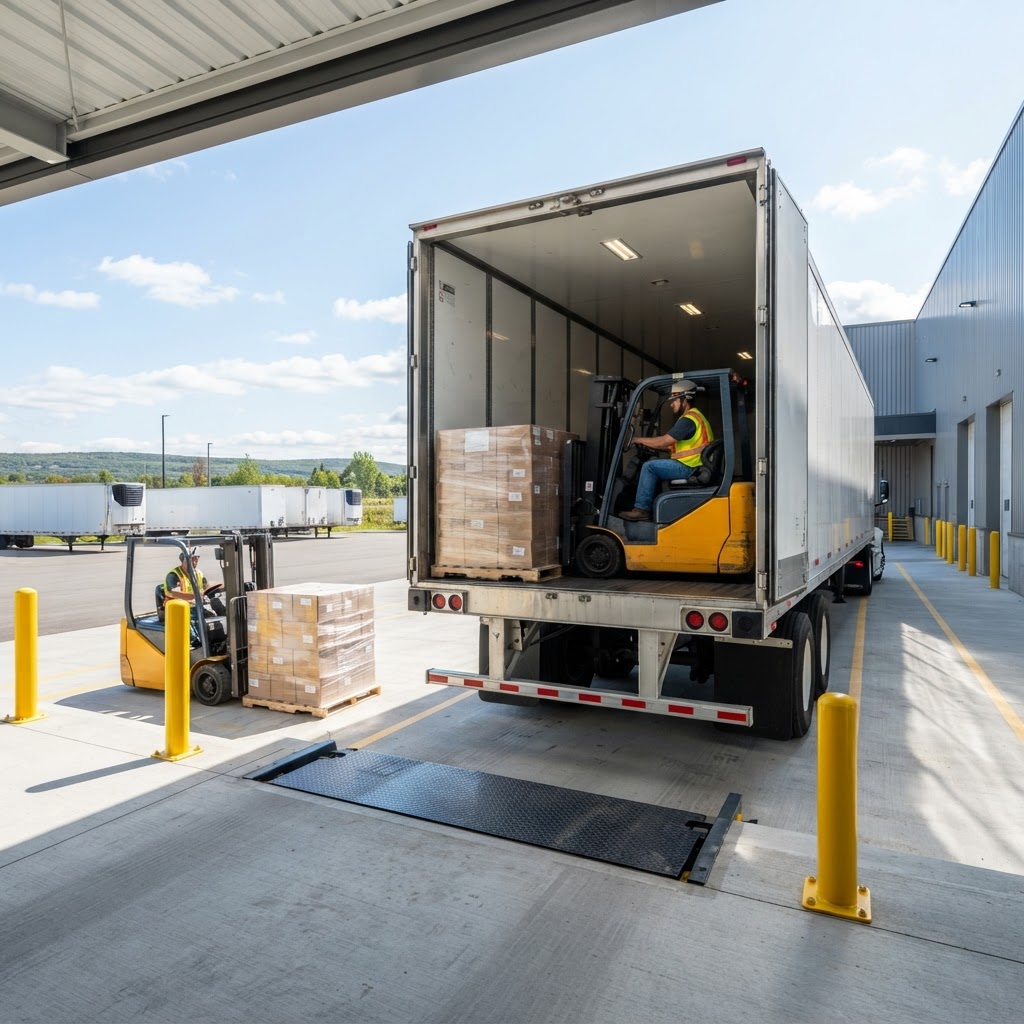
Fuel, Customs, and Brokerage Charges That Change Freight Costs
Three of the most common additions arise before the shipment reaches the consignee: fuel adjustments, customs-related costs, and brokerage work. They are not interchangeable, so a quote review should identify each one separately rather than treating every cross-border charge as a single border fee.
1. Fuel surcharges added to the base freight rate
A fuel surcharge is commonly calculated separately from the linehaul rate, so comparing base prices alone can make one option look cheaper than it is. Statistics Canada's rail freight price collection distinguishes base rates from applicable fuel surcharges, including mileage-based or percentage-based surcharges on Canada-U.S. routes, which shows why the adjustment must be visible in the quote.
Ask for the method: Confirm whether the surcharge uses a percentage, mileage, or another carrier rule.
Check the effective date: A quote can change when the carrier's fuel schedule changes before pickup.
Compare the total: Evaluate linehaul and fuel together when reviewing freight quote details.
Record the lane: Keep route-specific quotes so recurring moves can be checked consistently.
2. Customs brokerage fees, duties, and import taxes
Brokerage pays for customs entry work, while duties and taxes are government amounts tied to the imported goods and their declaration. Commercial importers and licensed customs brokers must maintain a customs account with the CBSA, and the CBSA identifies CARM as the system of record for importers and trade-chain partners. A shipment may also incur a broker disbursement when the broker advances border amounts, so ask who is the importer of record, who submits payment, and which service is included.
The customs value can also depend on transportation costs connected to moving goods to the place of direct shipment. The CBSA describes freight charges as costs directly associated with movement by truck, aircraft, train, ship, or other transport, so commercial international freight services should preserve carrier invoices and origin-to-border cost records.

Pickup, Delivery, and Handling Fees Outside the Base Rate
Pickup and delivery conditions create the next group of hidden fees because carriers plan equipment, labour, and time around the information provided at booking. A standard dock-to-dock move is priced differently from a site that needs special equipment, appointment coordination, or extended waiting time.
3. Residential, limited-access, and liftgate service
A residential address, school, construction site, farm, or secure facility can require a different delivery plan than a commercial dock. A liftgate may be needed when the receiver cannot unload from dock height, and a limited-access location may require additional coordination. State the pickup and delivery environment plainly when requesting international pallet shipping services, including whether a dock, forklift, appointment, and unload assistance are available.
4. Detention, layover, and appointment failures
Detention and layover charges can appear when a driver waits beyond the carrier's allowed loading or unloading time, while missed appointments can force a redelivery or rescheduling process. These charges are often avoidable when the shipper confirms receiving hours, booking references, contact names, and cargo readiness before dispatch. For cross border freight shipping Canada lanes, border congestion can affect timing, but it does not replace the need for a confirmed receiving plan.
5. Reclassification, reweighing, and oversize handling
Carriers can adjust an invoice when the actual freight class, weight, dimensions, packaging, or commodity differs from the bill of lading. This is a frequent issue in LTL moves because terminal handling and trailer space are shared across shipments. Review hidden LTL rate factors before booking, then measure the packed freight rather than relying on a product specification sheet.
Storage, Documentation, and Currency Costs to Confirm Before Shipping
Final invoice surprises often come from events that happen after the carrier accepts the freight: delayed release, missing paperwork, storage, or currency treatment. These are practical risks, not automatic charges, and clear ownership of each task reduces the chance that an exception becomes a billable service.
6. Storage, demurrage, and return-to-shipper charges
Storage can begin when freight cannot be delivered, cleared, collected, or accepted within the facility's available window. If a receiver refuses cargo or customs release is delayed, the carrier may need to hold, return, or reroute the shipment. Ask when storage starts, which party can authorize a return, and whether the consignee has been told to inspect and accept the freight promptly.
7. Documentation corrections, currency, and payment administration
Missing or inconsistent commercial documents can result in correction work, held freight, or added administration. Use complete cross-border freight documents that match the goods, shipper, consignee, declared value, origin, and commodity description on the bill of lading. The CBSA also notes that a broker disbursement threshold is $1,000, which makes it important to understand how border payments are funded and billed.
Currency treatment deserves the same attention as a linehaul charge. Confirm the quoted currency, the party responsible for duties and taxes, and whether conversion or payment-processing costs can be passed through. For international freight services Quebec businesses, a consolidated record of quote, bill of lading, customs entry, and final invoice makes discrepancies easier to challenge.
Truxweb gives shippers a way to compare rates, transit times, and carrier ratings before confirming a booking, while its direct carrier model avoids brokering fees. Its dashboard and shipment alerts also help teams catch dispatch or delivery exceptions early, when a receiving issue may still be resolved without additional handling.
For a deeper look at site-specific services, review accessorial freight charges. Businesses importing into Canada should also understand the customs clearance process, especially when product data or importer information changes between repeat shipments.
Conclusion
Reliable cost control starts with treating the freight quote as an operational checklist, not just a price. Confirm fuel treatment, customs responsibilities, shipment measurements, site access, appointment requirements, storage rules, and payment currency before pickup. LTL and FTL can both generate conditional charges, but LTL is more exposed to terminal handling and freight-detail corrections. A transparent booking process makes these questions easier to resolve before they become invoice disputes.
Need a clearer way to compare carrier options? Compare freight quotes with Truxweb before confirming your next shipment.
Frequently Asked Questions (FAQs)
Are there hidden fees in international freight shipping?
Hidden fees in international freight shipping are usually conditional services rather than secret charges, including fuel adjustments, brokerage work, liftgate needs, storage, detention, and corrections when shipment details do not match the booking.
How can I save money on international freight shipping costs?
You can save money on international freight shipping costs by providing exact weights and dimensions, confirming access conditions, assigning customs responsibilities in writing, and comparing the total quoted charge instead of the base transportation rate alone.
What documents are needed for international freight shipping?
Documents needed for international freight shipping commonly include a bill of lading, commercial invoice, packing information, importer details, and any commodity-specific paperwork required for the goods and destination.
Why is my international freight shipment delayed?
An international freight shipment is delayed most often when customs information is incomplete, freight is not ready at pickup, a border release is pending, or the consignee cannot accept delivery as planned.
What is the difference between LTL and FTL international shipping?
The difference between LTL and FTL international shipping is that LTL combines multiple shippers' freight in shared trailer capacity, while FTL reserves the vehicle for one shipper's load and follows a different handling pattern.
How to choose the best international shipping company?
Choosing an international shipping company requires checking carrier reliability, quote transparency, customs support boundaries, lane coverage, claims procedures, shipment visibility, and whether the provider clearly explains conditional charges before booking.
About the Author
Sarah Bennett is a Cross-Border Trade & Customs Specialist focused on customs clearance, freight compliance, and Canada-U.S. shipping between Ontario, Quebec, and key U.S. markets. Her work emphasizes practical documentation controls and clear responsibility mapping for cross-border freight operations.