
Incoterms Explained for Canada-U.S. Freight Shippers
Learn how incoterms affect cross-border freight costs and responsibilities. A clear guide for Canadian SMEs shipping to the U.S. with confidence and control.
By Mathieu van Gent · 8 min read ·

Quick Answer#
Incoterms define which party arranges transport, pays identified costs, manages export or import formalities, and carries transit risk at each handoff. For Canada-U.S. LTL shipments, DAP and DDP are usually easier to apply than maritime terms, but the sales contract must still name the rule, place, and Incoterms® 2020 version.

Introduction#
Shipping incoterms turn a vague instruction such as “deliver it to our customer” into a workable division of responsibilities. They matter most when a Quebec or Ontario business sends pallet freight across the border, because a carrier booking, customs entry, duty payment, and final delivery can involve different parties. Incoterms do not set the freight rate or transfer ownership of goods, but they establish where cost and risk change hands. A shipment can move smoothly until an unpaid import charge or unclear consignee instruction stops it at the border.
Key Takeaways:
State the named place and Incoterms® 2020 rule in every purchase order.
DAP leaves import clearance with the buyer, while DDP assigns it to the seller.
Match the term to the party that can manage customs and delivery decisions.

Incoterms 2020 for Canada-U.S. LTL Freight#
Incoterms 2020 are ICC trade rules that allocate costs, risk, and obligations between seller and buyer. They are not a substitute for a freight contract, cargo insurance policy, or customs power of attorney, so a shipper must align all three documents before pickup. The most practical freight shipping terms for Ontario businesses usually use a precise pickup or delivery location rather than a vague reference to a city or border crossing.
What each term actually controls#
Incoterms address four operational questions for shippers: who loads and tenders the freight, who books carriage, who completes export and import procedures, and where damage risk transfers. The ICC describes the rules as a clear allocation of cost, risk, and obligations, which is why the named place matters as much as the three-letter code.
Named place: Identify the exact warehouse, terminal, or customer location.
Risk transfer: Define when loss or damage becomes the buyer’s exposure.
Transport cost: Assign the main carriage and delivery charges clearly.
Customs work: Specify export and import declaration responsibilities.
Insurance: Confirm coverage separately unless the rule requires it.
Why the named place prevents disputes#
“DAP Buffalo” leaves too much open because it does not identify whether risk ends at a terminal, curb, or receiving dock. “DAP, buyer’s receiving dock, Buffalo, New York, Incoterms® 2020” gives the carrier, broker, seller, and buyer one operating instruction. Before tendering freight, verify the required freight documents against the chosen term, since an invoice that omits importer details can undermine an otherwise clear delivery agreement.
DAP vs DDP Explained for Cross-Border Delivery#
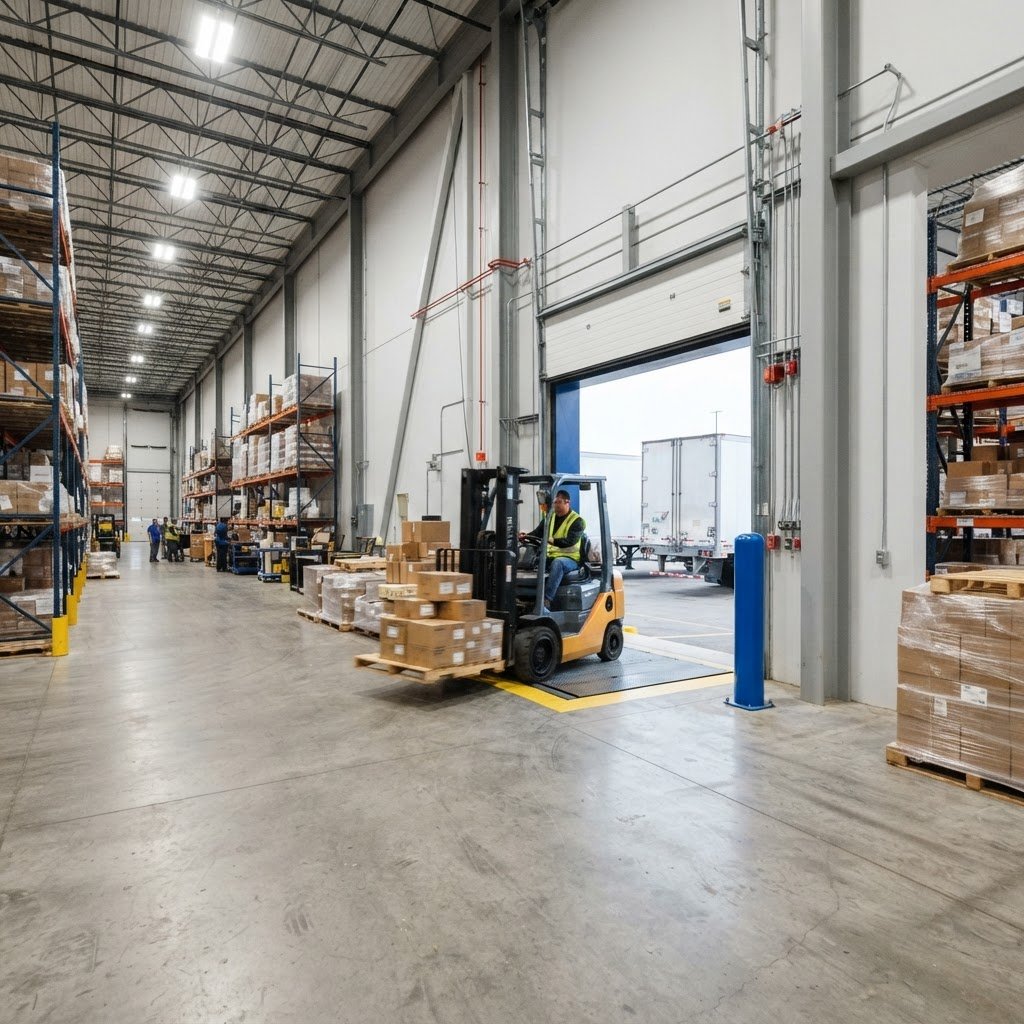
DAP and DDP both place delivery planning largely with the seller, but they split import responsibility differently. Under DAP, the seller delivers goods ready for unloading at the named destination while the buyer handles import clearance and related import charges. Under DDP, the seller has the broadest delivery and import obligations, including import clearance and duties where applicable, while risk transfers at the named destination when the goods are ready for unloading.
Compare DAP, DDP, FCA, and FOB when booking a shipment#
For palletized truck freight, FCA, DAP, and DDP often provide cleaner instructions than FOB because FOB is designed for goods delivered on board a vessel. The following comparison focuses on the handoffs that affect a Canada-U.S. LTL booking.
Rule | Seller arranges main carriage | Import clearance | Risk transfer point |
|---|---|---|---|
FCA | Buyer, or seller if the named place is the seller’s own premises | Buyer | When goods reach the named carrier handoff |
FOB | Usually buyer | Buyer | When goods are on board the vessel |
DAP | Seller | Buyer | At named destination, ready for unloading |
DDP | Seller | Seller | At named destination, ready for unloading |
DAP versus DDP becomes a commercial decision about who can reliably act as importer and pay border charges, not simply a choice about who pays the trucking invoice. Review a detailed DDP versus DAP workflow before promising delivered pricing to a U.S. buyer.
FOB and FCA shipping terms for truck freight#
FOB vs FCA shipping terms are often confused because both can shift responsibility early in the journey. FCA works across transport modes and can name a seller’s dock or carrier terminal, making it more practical for LTL; FOB connects risk transfer to loading on a vessel. If a Canadian manufacturer hands pallets to an LTL carrier at its Laval facility, FCA Laval is more operationally accurate than FOB Laval.
Insurance also needs its own decision. Insurance requirements vary by rule, so confirm the coverage obligations in the applicable Incoterms® 2020 rule and the sales contract. Incoterms® 2020 rules allocate cost, risk, and obligations between buyer and seller, so the term should be recorded with its named place and version. DAP, DDP, FCA, and FOB do not automatically solve the cargo-insurance question, so confirm policy limits, claims contacts, and the party insured before dispatch. For an overview of the ICC framework, consult the Incoterms® 2020 rules.
How to Choose the Right Shipping Incoterm#
Choose the term by mapping the shipment’s physical route, importer role, commercial promise, and cost visibility. This approach gives small businesses more control than selecting a familiar code from an old invoice. A transparent quote should separate linehaul, accessorial charges, brokerage, and border-related amounts so the parties understand the liabilities and costs under Incoterms.
Use the importer role as the decision point#
Start with the importer of record. If the U.S. buyer has an established import process and customs broker, DAP may preserve that buyer’s control over declarations and payments; if the Canadian seller has agreed to manage the import side, DDP requires the seller to prepare for that responsibility. The customs valuation rules can affect how goods entering Canada are declared, and comparable import requirements apply when freight enters the United States.
Do not assume that warehouse location proves origin or preferential treatment. A product leaving a Canadian warehouse is not automatically Canadian in origin, and a product sent from the United States is not automatically eligible for preferential treatment. A careful customs broker selection process helps ensure the importer, tariff treatment, and paperwork align before the freight reaches a border terminal.
Build landed cost before offering delivered pricing#
Delivered pricing requires more than a carrier quote. Include pickup requirements, linehaul, fuel or accessorial charges, brokerage, duty and tax exposure, and final-mile delivery in the landed shipping costs review. Cross-border freight decisions should compare total business risk, not only transportation price, because an exception at the border can affect delivery timing and customer commitments.
Make the Term Work in the Carrier Booking#
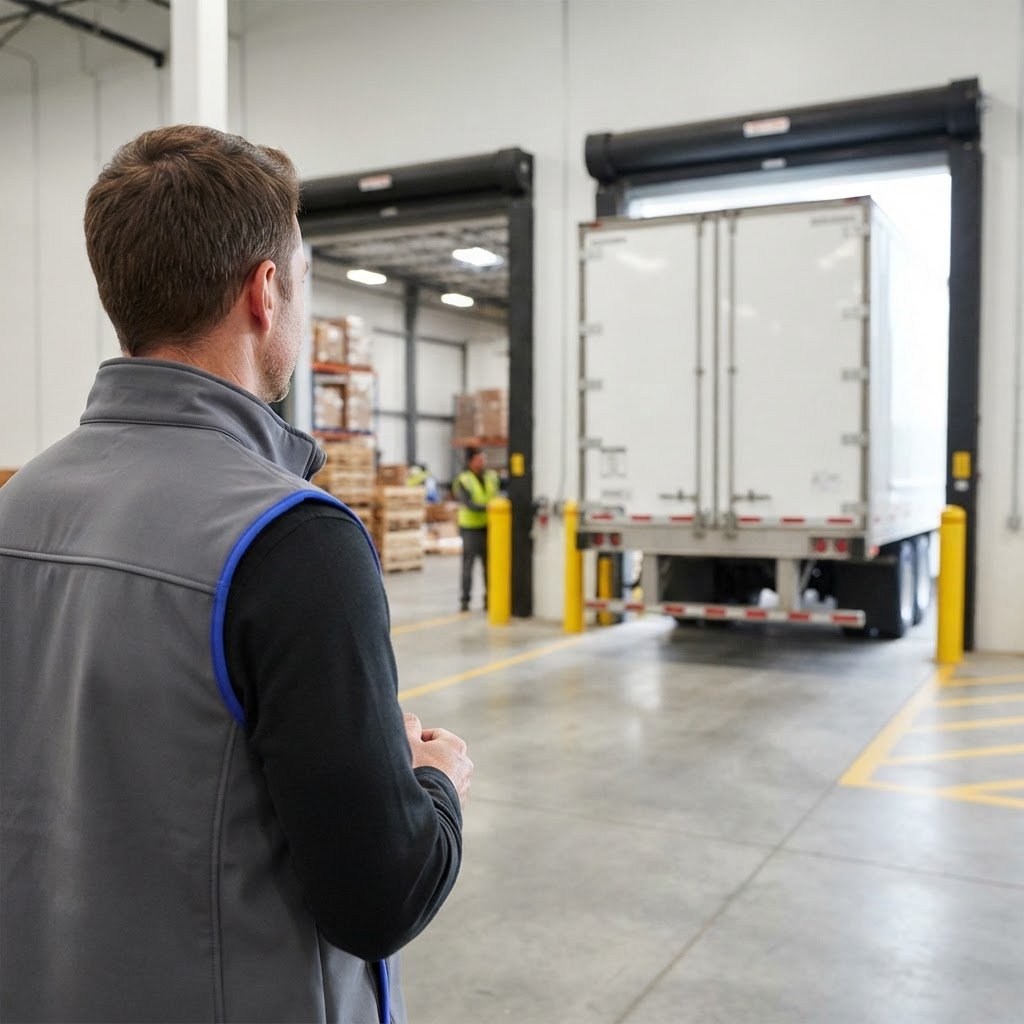
Put the chosen rule and named place on the sales contract, commercial invoice, packing list, carrier instructions, and internal shipment record. Then confirm whether the consignee can unload, whether an appointment is required, and who receives customs status updates. Review the customs clearance process alongside the booking instructions. These controls matter for LTL shipments from Quebec to the United States because freight may pass through several terminals before final delivery.
Turn a purchase-order term into dispatch instructions#
A practical booking note identifies the seller, buyer, consignee, importer, broker, delivery location, commodity description, and Incoterm. It should also state whether the carrier is collecting from a dock, residential address, or trade-show site, since handling requirements can create charges outside the agreed commercial term. For cost planning, cross-border shipping costs should be reviewed as a combined transport and border process rather than a single freight line item.
Use visibility to catch a mismatch early#
Truxweb lets SMEs compare carrier rates, transit times, carrier ratings, and detailed booking fees before confirming pallet freight, which helps teams test whether a delivered offer still supports the selected term. Its automated real-time email alerts and in-platform chat with carrier dispatch also create a practical place to resolve pickup, clearance, or delivery questions while the shipment is moving. That visibility does not replace a written Incoterm, but it can help identify a mismatch before it becomes a customer dispute.
Conclusion#
Select an Incoterm that assigns each activity to a party prepared to perform it, at a precisely named location. FCA can document a carrier handoff, DAP can apply when the buyer manages import clearance, and DDP applies when the seller manages the full import obligation. For Quebec and Ontario SMEs booking cross-border LTL freight, Truxweb provides direct carrier comparison, transparent booking fees, and a 24/7 concierge team to help resolve operational issues alongside a clearly documented shipping term. Record the rule, named place, importer, broker, and insurance decision before the first pallet is collected.
Need a clearer carrier booking for your next cross-border shipment? Explore Truxweb freight options and document the delivery terms before dispatch.
Frequently Asked Questions (FAQs)#
What do incoterms cover in freight shipping?#
In freight shipping, Incoterms cover the allocation of transport obligations, risk transfer, customs responsibilities, and specified costs between seller and buyer, but they do not determine product ownership, payment timing, freight rates, or the remedies available when either party breaches the sales contract.
Why are incoterms important for SME logistics?#
Incoterms are important for SME logistics because a small team needs written clarity on who books transport, acts as importer, pays border charges, and accepts transit risk, reducing the chance that a shipment waits while seller and buyer dispute an unassigned task.
How do incoterms affect shipping costs?#
Incoterms affect shipping costs by assigning charges such as carriage, export work, import clearance, duties, taxes, unloading, and delivery to either seller or buyer, so the same carrier quote can produce different commercial margins depending on the agreed rule.
Are incoterms legally binding in Canada?#
Incoterms can be legally binding in Canada when the sales contract clearly incorporates the chosen ICC rule, named place, and version, although the contract should separately address ownership, payment, insurance limits, dispute resolution, and other obligations outside the rules.
What are the most common incoterms for US-Canada shipping?#
The most common incoterms for US-Canada shipping include FCA, DAP, and DDP because they can describe truck and multimodal handoffs, while FOB, CFR, and CIF are maritime rules that use delivery on board a vessel as their risk-transfer point.
Which incoterm is best for LTL freight?#
The appropriate Incoterm for LTL freight depends on who controls carriage and import clearance. FCA, DAP, and DDP can each name a warehouse, carrier terminal, or final receiving location without relying on a vessel-loading event.
About the author
