


Introduction
Fleet efficiency is not about doing less. It is about moving more freight per dollar spent, per hour invested, and per booking placed. For Canadian small and medium-sized businesses shipping LTL freight, the biggest drains on efficiency rarely come from the trucks themselves. They come from the decisions made before a shipment ever leaves the dock: how carriers are selected, how rates are compared, and how much visibility exists once freight is in transit. The gap between a reactive shipping operation and a streamlined one often comes down to a handful of process changes that compound over dozens of shipments each month.
Key Takeaway: The fastest path to freight cost savings for Canadian SMBs is replacing manual, one-carrier-at-a-time booking with a digital freight booking process that surfaces competitive rates, carrier performance data, and real-time tracking in a single workflow.
Stop Booking Freight the Way You Did Five Years Ago
The single biggest bottleneck in most SMB shipping operations is the booking process itself. When every shipment starts with a phone call or an email chain to a single carrier, the business is locked into whatever rate and timeline that carrier offers. There is no competitive pressure, no side-by-side comparison, and no data trail to learn from. This is where fleet efficiency breaks down before a pallet even gets wrapped.
Why Manual Booking Costs More Than You Think
A logistics manager who spends 20 minutes per shipment requesting quotes, following up, and confirming details is not just losing time. That manager is also losing leverage. Without seeing multiple rates simultaneously, there is no way to know whether a quoted price is competitive or inflated. Over the course of a month with 30 or more shipments, those freight booking inefficiencies add up to thousands of dollars in missed savings and dozens of hours in wasted administrative effort.
- No rate benchmarking: Single-carrier quoting removes the ability to compare pricing across the market
- Slow response cycles: Email-based quotes can take hours or days, delaying time-sensitive shipments
- Zero performance history: Without a centralized system, past carrier performance is impossible to reference at booking time
- Hidden fees surface late: Accessorial charges often appear on the invoice rather than at the point of quote
What Digital Freight Booking Actually Changes
Switching to a freight management platform that supports instant multi-carrier quoting eliminates most of these problems in a single step. Instead of contacting carriers one at a time, a shipper submits shipment details once and receives competitive rates back within minutes. The comparison happens on screen, with transit times, carrier ratings, and total costs visible side by side. This is the operational shift that turns freight booking from a time sink into a strategic advantage, and it is the foundation of modern fleet management strategy.
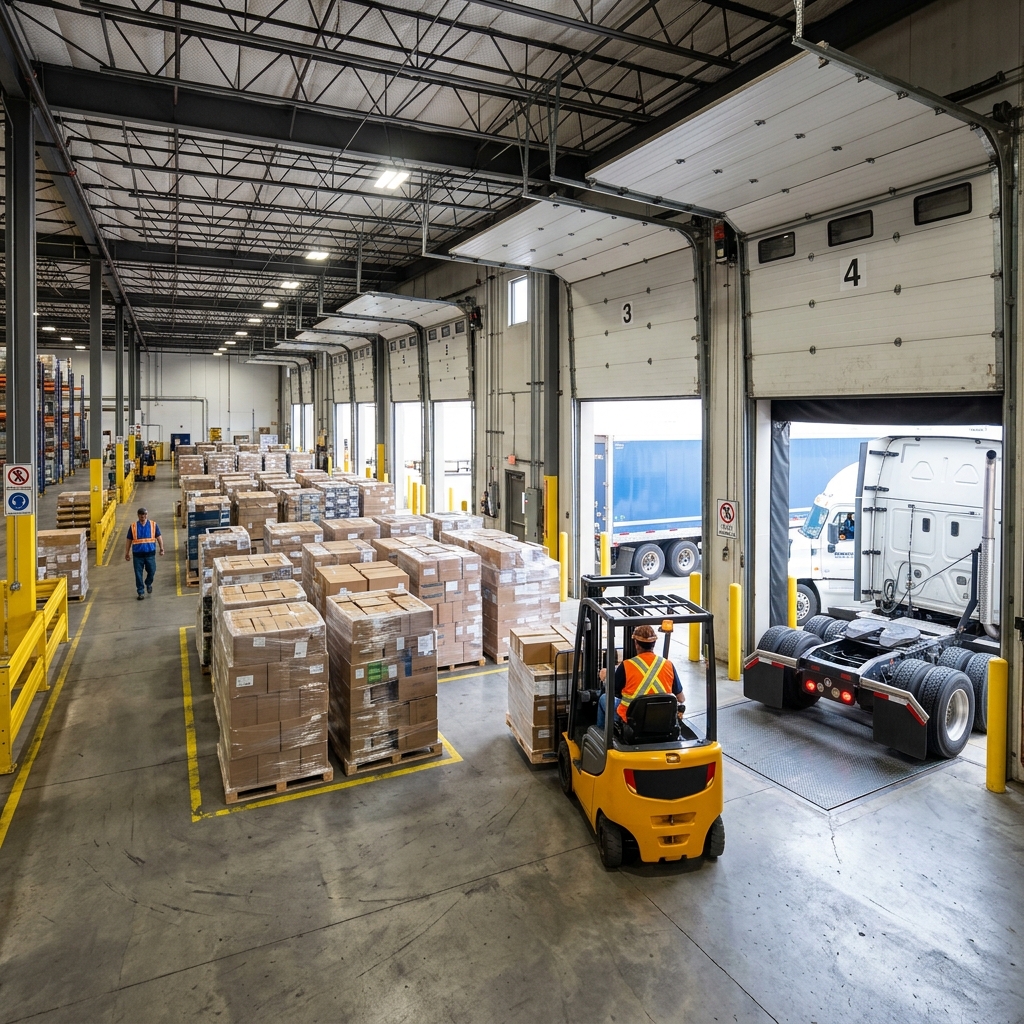
Use Carrier Data and Visibility to Make Smarter Decisions
Booking the cheapest available rate is not the same as making the smartest shipping decision. Fleet efficiency depends on choosing carriers based on a combination of price, reliability, and service quality, and that requires data most SMBs do not currently have access to. Without visibility into how carriers have performed on past shipments, every booking is essentially a guess.
Why Carrier Performance Data Matters More Than Price Alone
A carrier that quotes $50 less but delivers two days late, damages freight, or requires repeated follow-up calls is not actually cheaper. The real cost of a shipment includes the time spent managing exceptions, the revenue lost from late deliveries, and the customer trust eroded by inconsistent service. Businesses that track carrier performance data across shipments can identify which carriers consistently deliver on time and which ones generate the most support tickets.
This is where a carrier comparison tool becomes essential. Platforms that surface satisfaction ratings, on-time percentages, and historical pricing alongside live quotes give shippers the context they need to make informed decisions. The result is fewer service failures, fewer claims, and a more predictable shipping operation overall. According to Statistics Canada's analysis of rising freight costs, Canadian businesses face increasing pressure to optimize every shipment, making data-driven carrier selection a competitive necessity rather than a luxury.
Real-Time Shipment Tracking Eliminates Reactive Problem-Solving
One of the most common complaints from SMB logistics teams is the lack of real-time shipment tracking. When visibility depends on calling a carrier for updates or waiting for an email confirmation, problems are discovered after they have already caused downstream delays. A warehouse team waiting on an inbound shipment that is running six hours late cannot adjust staffing, notify customers, or reroute resources if they do not know about the delay until the truck fails to show up.
Automated tracking with proactive alerts for dispatch, pickup, and delivery changes the dynamic entirely. Instead of chasing updates, the logistics team receives notifications and can act before a delay becomes a crisis. This shift from reactive to proactive freight management is one of the highest-impact changes a growing business can make. When visibility depends on manual updates, the entire operation slows down.
Cut Hidden Costs and Optimize Every Shipment
Even businesses that have modernized their booking process can still lose money to inefficiencies that hide in plain sight. Freight cost optimization is not a one-time project. It is an ongoing discipline that requires attention to accessorial charges, consolidation opportunities, and payment terms that quietly erode margins shipment after shipment.
Identify and Eliminate Surprise Charges
Accessorial fees are one of the most persistent sources of shipping cost inflation for LTL shippers in Canada. Charges for liftgate service, residential delivery, inside delivery, or reweighing can add 15% to 25% to a shipment's total cost when they are not accounted for at the quoting stage. The problem is not that these services cost money. The problem is that many shippers do not see these charges until the invoice arrives weeks later. Platforms that surface all potential accessorials during the quoting process allow shippers to make fully informed decisions and avoid budget surprises. Understanding the hidden factors that inflate LTL freight rates is critical for any business serious about cost control.
Consolidate Shipments and Simplify Payments
For businesses shipping multiple pallets per week across Ontario and Quebec, freight consolidation strategies can meaningfully reduce per-unit shipping costs. Combining smaller shipments into fewer, larger ones reduces the number of individual bookings, lowers handling fees, and often qualifies for better rate tiers. This is especially relevant for LTL shipping in Canada, where carriers price based on weight breaks and freight class.
Payment complexity is another hidden drain. When a business ships with five different carriers and receives five separate invoices with different terms and formats, reconciliation becomes a part-time job. Consolidating payments through a single platform, where all carrier invoices are unified into one statement, saves hours of administrative work each month. Truxweb offers exactly this kind of consolidated billing, along with credit card payment options and credit terms after the first three shipments, which simplifies cash flow management for growing businesses. As SMB fleet management best practices consistently emphasize, reducing administrative overhead is just as important as reducing per-shipment costs. Digital freight platforms like Truxweb help Canadian SMBs address both sides of that equation by combining digital booking tools with built-in visibility and payment management.
Conclusion
Fleet efficiency for Canadian SMBs comes down to three operational shifts: replacing manual booking with digital freight booking that surfaces competitive rates instantly, using carrier performance data and real-time shipment tracking to make proactive decisions, and eliminating hidden costs through transparent quoting and consolidated payments. None of these changes require a massive technology investment or a dedicated logistics department. They require a willingness to move away from the phone-and-email workflows that most small business shipping solutions have outgrown. The businesses that make these shifts now will be the ones that scale their freight operations without scaling their costs or headcount at the same rate.
Start comparing carrier rates and booking smarter on Truxweb today.
Frequently Asked Questions (FAQs)
How to reduce logistics costs?
Compare rates from multiple carriers before every booking, eliminate surprise accessorial charges by reviewing all fees at the quoting stage, and consolidate shipments to qualify for better rate tiers.
How to track shipments in real-time?
Use a freight management platform that provides automated dispatch, pickup, and delivery alerts so your team receives proactive notifications instead of chasing carriers for updates.
How does freight comparison work?
A shipper submits shipment details once, and the platform sends the request to multiple carriers simultaneously, returning side-by-side quotes with pricing, transit times, and performance ratings within minutes.
Can small businesses save on shipping?
Yes, small businesses that switch from single-carrier quoting to multi-carrier comparison platforms routinely save 20% to 40% on LTL freight by accessing competitive rates they would never see through traditional booking methods.
What is LTL shipping Canada?
LTL (Less-Than-Truckload) shipping in Canada allows businesses to ship palletized freight that does not fill an entire truck, sharing trailer space with other shippers to reduce costs on shipments typically ranging from one to eight pallets.
How to get instant shipping quotes in Ontario?
Digital freight marketplaces allow Ontario shippers to submit shipment details online and receive multiple carrier quotes within minutes, with most platforms returning responses in under 30 minutes during business hours.
Best LTL shipping platforms vs traditional brokers?
Digital LTL platforms offer transparent pricing, instant multi-carrier comparison, and real-time tracking without brokering fees, while traditional brokers add a margin to carrier rates and typically provide slower quote turnaround with less visibility.