


Quick Answer
To calculate shipping costs before booking LTL freight, add the base linehaul rate, fuel surcharge, every required accessorial, and any cross-border or classification exposure. The most reliable quote uses verified pallet dimensions, weight, freight class, pickup and delivery conditions, and a written list of included fees.
Introduction
LTL shipping becomes predictable when shippers treat a quote as a cost model rather than a single number. Your true cost depends on what the carrier knows about the freight, the lane, the equipment required, and the site conditions at both ends. A low base rate can become expensive if a carrier later finds an incorrect class, undisclosed residential stop, limited-access location, or liftgate requirement. Invoice surprises usually start with shipment details that were missing or inaccurate when the quote was created.
Key Takeaways:
Accurate dimensions, weight, and freight class protect your quoted rate.
Fuel and accessorials can materially change the final freight invoice.
Compare included services, not just the lowest displayed linehaul rate.

Calculate Shipping Costs for LTL Freight
Start with one complete shipment record and use it consistently across every shipping quote. For Quebec and Ontario shippers, that record should identify the origin and destination postal codes, pallet count, total weight, dimensions of each pallet, commodity description, pickup and delivery requirements, and whether the shipment crosses the border. A quote only reflects the inputs submitted, so incomplete details create avoidable invoice risk.
Build the shipment profile before requesting rates
Calculate the physical characteristics first, then identify the services needed at each stop. This creates a defensible baseline for comparing freight rates and helps a carrier price the shipment without correcting it later. NMFC codes connect commodities to freight classification, and the assigned class affects both pricing and handling expectations for LTL shipments.
Origin and destination: Confirm complete postal codes and business names.
Pallet dimensions: Measure length, width, and loaded height.
Scale weight: Use the full shipment weight, including packaging.
Commodity description: Describe what is actually on each pallet.
Site requirements: Flag liftgates, appointments, and restricted access.
Check freight class, density, and measurement accuracy
Your LTL freight class can change when a carrier inspects the shipment and finds a different density, packaging method, or commodity than the booking described. Density is calculated from weight and occupied cubic space, so a pallet that overhangs, uses a taller stack, or has loosely secured product can increase billable dimensions. Review the NMFC classification system before booking when the commodity has a specific code, because the 2026 classification requires precise shipment information. Confirm the commodity code, density calculation, dimensions, and packaging description before tendering the freight.
Separate the Base Rate From Added Freight Charges
The base rate is only one component of the final freight cost. It generally reflects the lane, weight, freight class, capacity conditions, and carrier network, but it does not automatically include services that require extra equipment, driver time, administrative work, or special routing. Use the same shipment profile with every provider so you can compare transparent freight pricing rather than comparing incomplete quotes.
Apply fuel surcharge as a separate variable
Fuel is commonly calculated as an adjustment to the haul rate, which is why freight shipping rates can move even when a lane and shipment profile stay the same. One published trucking example uses a base fuel price of $0.50 per litre and a current pump price of $1.50 per litre. Where fuel represents 35% of haul cost, that produces a 70% rate adjustment under that method. The same example changes a $15-per-tonne haul rate to $25.50 per tonne, illustrating why the fuel surcharge calculation should be visible before you approve a booking.
Fuel surcharges do not use one universal formula, so ask whether the carrier applies a percentage, a published index-based schedule, or a rate adjustment tied to its underlying transportation cost. Fuel surcharges among Canadian road freight providers typically range from 15% to 25% of the base rate, though actual application depends on the lane and commercial terms. Record the surcharge separately in your budget instead of assuming it is included in the linehaul figure. A fuel review should also identify the base fuel price, current price, fuel-consumption assumption, distance or rate basis, and the date used for the calculation. Keep the carrier's schedule with the quote so the surcharge can be checked again if the booked amount or invoice changes. On recurring lanes, compare each week's surcharge against the same underlying method rather than treating a percentage as a fixed cost. This creates a clearer record of why transportation costs changed and whether the quoted fuel treatment matches the accepted booking.
Identify accessorials before dispatch
Accessorial freight charges apply when standard dock-to-dock pickup or delivery is not possible. A residential stop can create an added fee because navigating homes differs from serving a commercial dock, while limited-access sites such as schools, government buildings, prisons, and military bases can require additional coordination. Inside delivery, where the driver moves beyond the dock or front door, also creates added driver-time exposure.
A practical review of accessorial freight charges should cover liftgate pickup or delivery, appointment requirements, residential service, limited access, inside delivery, storage, re-delivery, and address corrections. Accessorials can add 20% to 40% to a base LTL rate, making early disclosure more valuable than a low initial quote. Ask both the shipper and consignee to confirm these requirements in writing before tendering the freight. Record who confirmed the details, the date, dock availability, and whether the driver must provide equipment or enter beyond the loading area. If a requirement is uncertain, request that it be identified as an assumption on the quote instead of leaving it undocumented. That record makes it easier to review a later charge against the service conditions disclosed at booking.
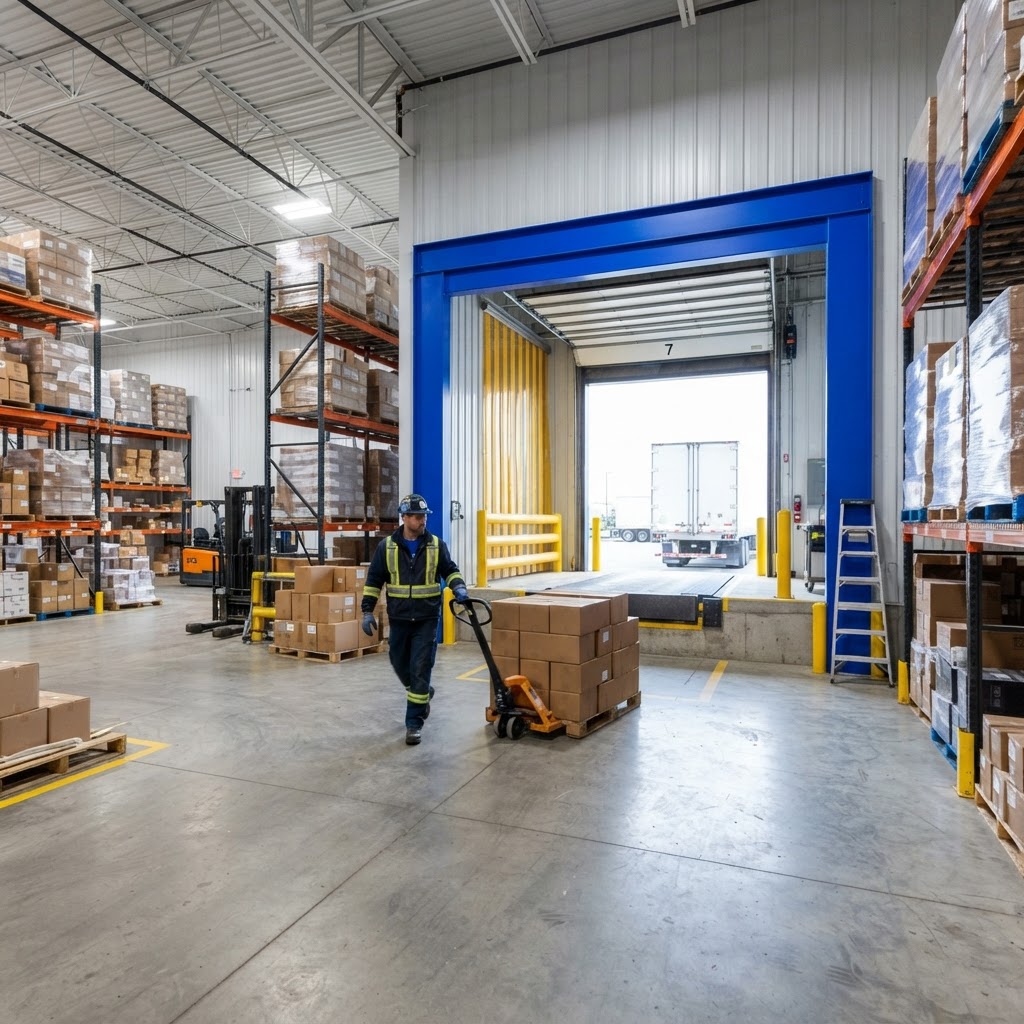
Compare Shipping Quotes on an Apples-to-Apples Basis
Compare the all-in booked amount, not the headline linehaul rate. A usable comparison should show the carrier, transit expectation, fuel treatment, included accessorials, booking fees, and exclusions against the same shipment profile. This approach also reveals whether an apparent discount simply shifts cost into later charges.
Use an all-in quote comparison sheet
Build a quote sheet with a row for each provider and a column for every cost component. If a provider does not disclose a component before booking, treat that cost as uncertain rather than assuming it is zero. This table gives logistics managers a practical structure for evaluating LTL shipping services that Montreal businesses can use for regional and cross-border pallet moves.
Cost component | What to verify | Why it changes the invoice |
|---|---|---|
Base linehaul | Lane, weight, class, transit scope | Sets the core transportation charge |
Fuel surcharge | Formula, rate basis, inclusion status | Changes with carrier fuel methodology |
Accessorials | Liftgate, residential, appointments, limited access | Reflects equipment and service requirements |
Classification exposure | Commodity, density, dimensions, packaging | Can trigger a reclassification adjustment |
Border requirements | Commercial paperwork and consignee details | Prevents delay-related corrections on U.S. moves |
The key tradeoff is certainty versus assumption: a quote that itemizes fuel and required services is easier to budget than a lower figure that leaves them undefined. Confirm the carrier's quoted fuel-surcharge method when reviewing recurring lane costs and making the booking decision.
Validate the final amount before you release freight
Ask for the all-in total, then confirm that the quote includes every known service requirement and states what could still change after inspection. Compare each provider's stated assumptions against the bill of lading before the truck arrives. A freight cost calculator is useful only when its inputs match the freight that the carrier will physically handle. Before release, check the quote reference, declared class, pallet count, dimensions, total weight, pickup date, destination, and every requested service. Confirm whether the carrier can reweigh, remeasure, or reclassify the shipment and how any resulting change will be shown. Save the final confirmation alongside the bill of lading, because the two documents should describe the same freight and service conditions. A consistent pre-release check reduces the chance that an overlooked detail becomes a later billing dispute.
Use a Booking Workflow That Reduces Invoice Surprises
Operational discipline matters as much as rate negotiation. The shipping team should verify measurements at the dock, document site requirements, retain the accepted quote, and compare the delivery invoice against the booking record. This workflow gives owners and logistics managers a clear audit trail when an unexpected amount appears.
Confirm pickup and delivery conditions with both locations
Call or email both shipping locations before the pickup date and confirm dock hours, contact names, equipment availability, appointment rules, forklift access, and receiving restrictions. Do not rely on an address alone to determine whether a location is commercial, residential, or limited access. For freight moving from Ontario to the United States, also confirm that the commercial invoice, commodity descriptions, consignee information, and customs instructions match the shipment being tendered.
Review invoices against the accepted booking record
Match the invoice line by line against your booking confirmation, bill of lading, pallet measurements, and proof of delivery. If a reclassification or accessorial appears, ask which shipment condition triggered it and compare that explanation with your documents. Tracking this variance by lane helps identify recurring issues such as inaccurate pallet heights, incomplete accessorial declarations, or inconsistent freight class billing. Maintain a simple variance log that records the carrier, lane, original quote, final invoice, charge type, explanation, and supporting documents. Review the log regularly to separate isolated exceptions from repeated process gaps. When the same correction appears more than once, update the shipment profile or location instructions before requesting the next quote. This turns invoice review into a practical way to improve the accuracy of future bookings.

Where Direct Carrier Comparison Improves Cost Control
Direct comparison can reduce the manual work required to build an all-in view of a shipment. Truxweb allows SME shippers to compare carrier rates, transit times, and detailed booking fees before confirming pallet freight, while a single consolidated statement simplifies reconciliation. The platform serves businesses shipping within Canada and to the United States, with carrier replies reported within 30 minutes during business hours for 92% of responses.
Use visibility to prevent avoidable exceptions
Digital marketplaces do not remove the need for accurate shipment details, but they can make discrepancies easier to spot before dispatch. Truxweb connects shippers directly with local and regional carriers and states that its booking fees are transparent, without hidden markups or surprise surcharges. That structure helps a shipper compare the final freight cost across carrier options instead of reconstructing charges after delivery. The comparison still depends on using one verified shipment profile and declaring the same service requirements to every carrier. Review each option's included charges and stated assumptions before accepting a booking. Keeping those details visible at the decision stage supports a cleaner comparison and a more useful invoice review after delivery.
Conclusion
True LTL cost equals the base transportation rate plus fuel, required services, classification exposure, and any shipment-specific corrections. Measure pallets accurately, disclose site conditions, confirm the fuel method, and compare all-in amounts before booking. For Quebec and Ontario SMEs moving regular pallet freight, Truxweb is a practical choice when direct carrier comparison, detailed booking fees, and centralized shipment management matter. Keep the booking record with the bill of lading so every invoice can be checked against the conditions you approved. The objective is not to eliminate every possible adjustment; it is to identify known cost drivers before dispatch and document any remaining assumptions. A complete shipment record supports more consistent quotes, clearer approvals, and faster follow-up when a charge needs explanation.
Want a clearer view of your next pallet shipment? Compare freight options with Truxweb before you book.
Frequently Asked Questions (FAQs)
How do you calculate shipping costs for LTL?
To calculate shipping costs for LTL, combine the linehaul quote with the carrier's fuel surcharge, required accessorials, and any classification or measurement corrections that may apply after inspection, using the same verified pallet dimensions, weight, commodity details, and pickup and delivery conditions for every quote request.
What are the hidden costs of shipping freight?
The hidden costs of shipping freight commonly include liftgate service, residential delivery, limited-access charges, inside delivery, appointments, storage, re-delivery, address corrections, fuel adjustments, and reclassification, all of which can arise when a shipment or location differs from the conditions shown on the original booking.
Why are freight shipping rates fluctuating?
Freight shipping rates fluctuate because fuel methodology, carrier capacity, lane conditions, shipment weight, freight class, dimensions, and required services change the cost model, while a fuel surcharge may adjust separately from the base transportation rate even when the route remains the same.
Is LTL shipping cheaper than full truckload?
LTL shipping can cost less than full truckload when your freight occupies only part of a trailer, but the final comparison depends on shipment density, handling needs, lane, service requirements, and whether repeated accessorial charges reduce the expected savings from sharing trailer capacity.
How can small businesses get better freight quotes online?
Small businesses get better freight quotes online by submitting complete, identical shipment information to each carrier option, including measured pallets, commodity descriptions, freight class, site conditions, and border requirements, then comparing the all-in booking amount instead of selecting a rate from an incomplete quote.
What documents are needed for cross-border shipping?
Cross-border shipping requires accurate commercial documentation, commodity descriptions, consignee details, and customs instructions that match the physical shipment, because inconsistencies between paperwork and freight can create delays, corrections, and added handling requirements during a Canada-U.S. move.
About the Author
Daniel Park is a Freight Logistics Analyst focused on LTL pricing, carrier performance, and shipment visibility across Ontario and Quebec. His analysis helps SMB logistics teams turn carrier data, freight classifications, and operating conditions into more predictable transportation decisions.