

Quick Answer
Small shippers get better LTL freight rates by providing precise shipment data, reducing avoidable accessorials, and comparing carrier-specific offers before booking. The biggest savings usually come from correcting freight class, packaging pallets efficiently, and choosing a marketplace that exposes direct carrier pricing rather than a single marked-up option.
Introduction
LTL freight is affordable for small shipments when you control the details that carriers use to price risk, space, handling, and pickup conditions. Businesses moving one to eight pallets often overpay because the bill of lading is incomplete, the freight class is wrong, or a carrier discovers site requirements only after dispatch. For freight shipping for small businesses, disciplined shipment preparation matters as much as the rate shown at checkout. A low initial quote loses its value when reclassification, residential delivery, or limited-access charges appear later.
Key Takeaways:
Accurate dimensions, weight, class, and pickup details prevent costly invoice corrections.
Comparing carrier quotes protects small shippers from accepting a single opaque price.
Consolidating compatible pallets can reduce the impact of minimum charges on small loads.

What Determines the Price of a Small LTL Shipment
Less than truckload pricing reflects the shipment’s space, density, handling needs, route, and service conditions. A carrier may apply a minimum charge when a very small shipment does not generate enough revenue for the pickup and terminal work involved, so a lighter pallet is not automatically the least expensive option. Understanding Canadian LTL rates helps shippers separate unavoidable lane costs from preventable billing errors.
Start With a Complete Shipment Profile
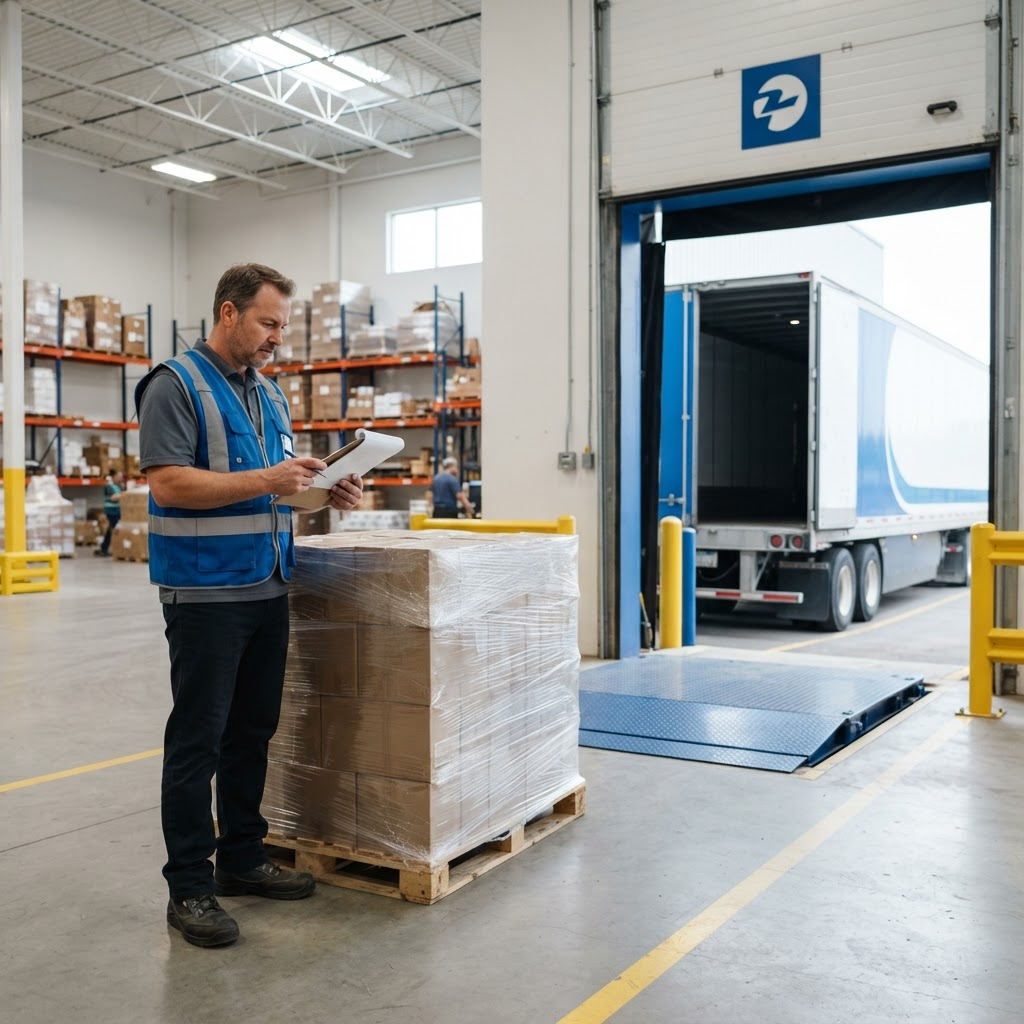
Build each quote request from measured facts, not estimates. Record total weight, pallet count, outside dimensions, commodity description, packaging type, pickup and delivery addresses, and whether either location requires special equipment or appointment coordination.
Weight: Weigh every pallet after it is fully wrapped and ready for pickup.
Dimensions: Measure the longest points, including overhang, so billed space matches the actual footprint.
Density: Dense, compact goods generally create fewer handling concerns than bulky, lightweight freight.
Commodity: Describe the product clearly so the carrier can assess handling and liability requirements.
Site conditions: State whether a dock, forklift, liftgate, residential stop, or appointment is required.
Control Freight Class, Density, and Minimum Charges
Freight class affects how a carrier prices handling difficulty, density, stowability, liability, and susceptibility to damage. Review the freight class calculation before tendering a shipment, because a class correction after pickup can erase savings from a lower quote. Carriers can also use excess chargeable weight when the shipment exceeds a pivot weight tied to the minimum charge, which makes proper palletization especially important for smaller loads.
Avoid shipping loose cartons whenever a stable pallet can protect the product and reduce handling. Stack within the pallet footprint, use corner protection where needed, and keep labels visible on more than one side. These choices support accurate freight class pricing and reduce the chance that terminal staff must rebuild or inspect the load.
How to Compare LTL Freight Quotes Before You Book
Do not compare LTL freight quotes by price alone. Put each offer beside the same shipment profile and check transit expectations, carrier identity, included services, stated fees, and pickup requirements. A quote only becomes comparable after every carrier receives identical weight, dimensions, class, and address information.
Check Accessorials and Cross-Border Requirements
Accessorial services are legitimate when the shipment requires extra work, but they should never be a surprise. A liftgate, inside delivery, appointment, limited-access location, reclassification, redelivery, or storage event can change the final invoice, so identify accessorial freight charges before selecting a carrier.
For Quebec and Ontario lanes into the United States, confirm the commercial invoice, commodity description, declared value, consignee information, and customs arrangements before pickup. Canadian customs guidance defines freight charges directly associated with moving goods as transportation costs for value-for-duty purposes.
The following comparison highlights the practical differences between a traditional quote process and a direct digital marketplace for LTL shipping.
Booking approach | Rate visibility | Carrier options | Operational follow-up |
|---|---|---|---|
Truxweb | Detailed booking fees shown before confirmation | One request reaches carriers serving the lane | Dashboard alerts and concierge support |
Traditional freight broker | Varies by broker quote format | Broker-selected options | Phone and email coordination often required |
Single-carrier portal | Pricing limited to one carrier’s network | One carrier |
The practical advantage is choice with consistent shipment data: a marketplace lets a smaller shipper evaluate rate, transit, and carrier fit without recreating the request across separate channels. The pros and cons of online LTL booking depend on data quality, because fast digital comparison cannot correct inaccurate measurements or omitted services.
Use Consolidation Without Delaying Critical Orders
Combine compatible orders going to the same region when delivery dates allow it. Consolidated freight billing can simplify accounting, while a fuller pallet or multi-pallet shipment may spread pickup and terminal costs across more product. Do not combine orders that need different delivery windows, special handling, or separate customs documentation, because the operational complication can outweigh the rate benefit.
When you compare LTL quotes, review total charges alongside service conditions rather than treating the lowest line item as the winner. Review the total charges and service conditions before booking, rather than treating the lowest line item as the winner.
Build a Repeatable LTL Rate-Control Process
Rate control improves when every shipment follows the same pre-booking check. Keep measured pallet specifications in your inventory system, maintain a list of site constraints by customer location, and review invoices for recurring adjustments. This creates a record of where cost increases originate, whether they come from packaging, classification, location access, or changing lane demand.
Use Carrier Competition to Offset Low Volume
Small businesses rarely need to negotiate as though they operate a large private fleet. They need enough qualified carrier options to create real pricing competition on each lane, then a consistent record of clean freight and reliable pickup readiness. Truxweb gives Quebec and Ontario SMEs direct access to local and regional carriers through one request, allowing them to compare hundreds of carrier quotes, transit times, ratings, and booking fees before confirming freight.
For recurring lanes, track awarded carrier, quoted amount, final invoiced amount, transit performance, and exception reason. This operational evidence strengthens future conversations and reveals whether a lower price actually produces lower landed transportation cost.
Protect the Quote After Carrier Selection
Send the bill of lading, labels, and pickup instructions to the warehouse before the truck arrives. Verify that the driver receives the same pallet count and documents used in the quote, then retain signed pickup records and delivery proof. Truxweb also provides a consolidated statement and shipment alerts, which can help a lean shipping team reconcile charges without chasing multiple carrier invoices.
Conclusion
Better LTL freight rates come from accuracy, carrier choice, and disciplined follow-through, not from asking for a discount after the shipment has been tendered. Measure freight correctly, disclose every service requirement, consolidate only compatible orders, and compare complete quotes on the same terms. For small shippers, transparent pricing matters because minimum charges and accessorials can dominate the cost of a short pallet move. A repeatable process turns each shipment into usable data for the next booking.
Ready to make carrier comparison part of your shipping workflow? Explore LTL shipping with Truxweb for direct carrier options and transparent booking details.
Frequently Asked Questions (FAQs)
What is LTL freight shipping?
LTL freight shipping moves a shipment that uses only part of a truck trailer alongside freight from other shippers, allowing businesses to pay for the capacity and handling their palletized goods require rather than reserving an entire trailer.
How are LTL freight rates calculated?
LTL freight rates are calculated from shipment weight, dimensions, freight class, lane, required services, and carrier capacity, with minimum charges sometimes affecting small loads more than the shipment’s raw weight would suggest.
Are there hidden fees in LTL shipping?
Hidden fees in LTL shipping usually arise when required services or shipment details were not disclosed at booking, including liftgate work, residential access, incorrect class, excess dimensions, redelivery, storage, or appointment requirements.
How can SMEs save on LTL shipping costs?
SMEs can save on LTL shipping costs by using accurate pallet specifications, preventing reclassification, consolidating compatible orders, comparing multiple carrier offers, and auditing final invoices for repeated adjustments tied to the same facility or commodity.
What information is needed to book LTL freight?
Information needed to book LTL freight includes pickup and delivery addresses, contact details, ready date, pallet count, dimensions, total weight, commodity description, freight class, declared value, and any equipment or accessorial service requirements.
Can you ship LTL freight from Canada to the US?
You can ship LTL freight from Canada to the US when the shipment includes complete commercial and customs documentation, accurate product and value information, and clear instructions for the consignee and customs clearance process.
Why choose a freight marketplace over a traditional broker?
A freight marketplace offers a structured way to compare multiple carrier rates, transit options, and service details from one shipment request, while traditional broker arrangements may provide fewer visible options and less direct rate transparency.
About the Author
Daniel Park is a Freight Logistics Analyst covering LTL shipping, carrier selection, freight pricing, and supply chain visibility across Ontario and Quebec. His analysis focuses on practical decisions that help SMB logistics teams control transportation costs while maintaining dependable service.