


Quick Answer
A shipping cost calculator is accurate only when it prices complete shipment data against current carrier rules. A generic freight calculator provides a useful planning range, while a live, bookable quote is more dependable because it reflects the carrier, lane, equipment, and services selected.
Introduction
Freight estimates often change because a shipment is described differently at pickup than it was when the quote was requested. Pallet dimensions, weight, freight class, pickup access, delivery access, and special handling can all affect the final charge. For small and medium-sized Canadian businesses, the practical goal is not simply finding a low displayed price, but submitting shipment details that a carrier can actually honour. The difference between an estimate and a booked rate usually appears in the operational details that were left blank.
Key Takeaways:
Accurate freight pricing depends on complete, verified shipment information.
Live carrier quotes are more reliable than rates generated from broad averages.
Accessorial services should be identified before booking, not after pickup.
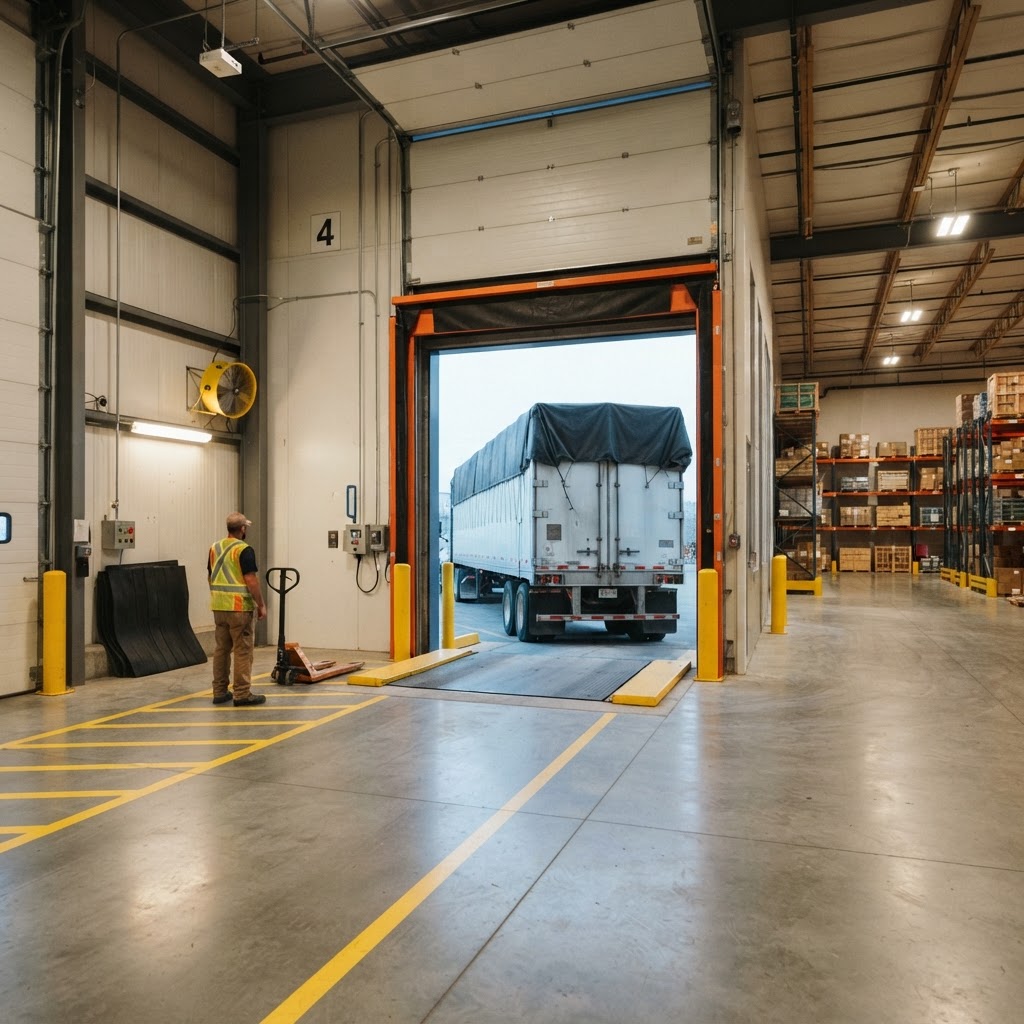
How Freight Calculators Build an Estimate
Most calculators start with the route, shipment size, and service type, then apply a carrier tariff, a contracted rate, or a generalized pricing model. A shipping rate calculator can be useful early in a sale or purchasing decision, but its result is only as specific as the data entered and the pricing source behind it.
What a rate engine needs to know
For LTL freight, carriers price the physical shipment and the work required to collect and deliver it. A reliable request describes the freight as it will appear when the driver arrives, rather than as it was planned in a warehouse system.
Origin and destination: Postal codes establish the lane, while full addresses reveal service constraints.
Pallet dimensions: Length, width, and height determine occupied trailer space.
Total weight: Weight supports carrier pricing and safe equipment planning.
Freight class: Class reflects density, handling, liability, and stowability where applicable.
Required services: Liftgate, appointment, residential, and limited-access needs must be identified.
Estimate versus bookable carrier price
A shipping cost estimator per pallet may apply an average charge to a broad lane, but it cannot confirm whether a chosen carrier accepts the shipment under the stated conditions. A freight cost calculator becomes more useful when it returns carrier-specific options instead of treating all capacity and service rules as identical. Freight pricing also moves with market conditions, which is why motor carrier freight prices should not be assumed to remain fixed across every booking period.

Why Freight Estimates Change After Booking
Most price changes are not random. They occur when the carrier finds a difference between the quote request and the freight or location presented for service. Reviewing shipping cost calculator accuracy means checking whether the quote included the operational facts a driver and terminal will encounter.
Incomplete freight details create avoidable adjustments
Dimensional errors are common when a pallet is measured before stretch wrap, overhang, or a top-loaded carton is added. A shipment that weighs more than declared, occupies more floor space, or has a different classification can be re-rated because the carrier accepted different transportation work than it priced.
Descriptions also matter for specialized freight. Hazardous materials, temperature-sensitive goods, unusually shaped items, and freight that cannot be stacked may require different handling or equipment. These are not details to solve at the dock, because the carrier needs them when determining service eligibility.
Location services are part of the price
A commercial address does not automatically mean a standard dock pickup or delivery. Construction sites, schools, farms, residential addresses, secure facilities, and locations with appointment requirements may create accessorial charges. Misleading freight quotes often look attractive because required services were not included in the initial comparison.
Transit expectations can also distort a decision. Two carriers can serve the same lane at different prices because their terminal networks, pickup schedules, and service commitments differ. Canadian transportation price conditions are tracked across services through the Transportation Services Index, but a shipment still needs carrier-level pricing for a booking decision.
How to Get a More Reliable LTL Quote
The most reliable way to calculate pallet shipping rates is to treat the quote request as a shipping instruction, not a rough description. Confirm the freight after it is packed, verify each address with the receiving party, and add every service the driver will need before comparing options.
Build a quote request the carrier can honour
Measure the finished pallet at its widest and tallest points, including packaging and wrap, then record the actual total weight. Confirm whether either location has a dock, a pallet jack, a liftgate need, restricted hours, or an appointment process. Those checks reduce the risk of unreliable freight quotes and give the carrier a workable pickup plan.
For cross-border freight, add the commercial invoice, commodity description, country of origin, and customs contact requirements before tendering the shipment. A freight price may be valid for transportation while the movement still waits on missing border documents, creating costs and delays that the calculator was never designed to predict.
Compare equivalent services, not just totals
A real-time freight rate comparison works only when every carrier receives the same shipment profile. Compare the offered service, transit expectation, carrier rating, pickup conditions, and included accessorials alongside the total price. Industry guidance from the Canadian Institute of Traffic and Transportation reflects the value of treating freight as an operational discipline rather than a single line-item expense.
Truxweb gives Canadian shippers a way to request rates from multiple carriers with one complete shipment entry, then compare available options side by side. That approach is especially practical for businesses shipping limited pallet quantities, where a digital LTL freight booking marketplace can replace repeated calls without hiding the details that affect price.
Conclusion
Use an online calculator to set expectations, but use a live carrier quote to make a booking decision. Accurate freight shipping rates require accurate dimensions, weights, classifications, addresses, and service requirements, with the final check completed after the freight is packed. When those inputs are verified, price comparisons become more meaningful and post-booking adjustments become less likely. Compare freight options with Truxweb when a shipment is ready for carrier-specific pricing.
Frequently Asked Questions (FAQs)
How does a shipping cost calculator work for freight?
A shipping cost calculator works for freight by combining route, weight, dimensions, freight class, and requested services with a pricing model or available carrier rate data to produce an estimated transportation charge.
How to calculate LTL shipping costs?
To calculate LTL shipping costs, document the finished pallet dimensions and total weight, confirm the origin and destination conditions, identify required accessorials, and compare carrier quotes based on the same shipment details.
What is the average cost to ship a pallet in Canada?
The average cost to ship a pallet in Canada varies by lane, pallet size, weight, freight class, carrier capacity, and pickup and delivery requirements, so an average alone cannot reliably predict a specific shipment charge.
Can I compare freight quotes online for free?
You can compare freight quotes online for free on platforms that present available carrier options, although the accuracy of each result still depends on whether the shipment details and required services are complete.
Why are LTL shipping rates different between carriers?
LTL shipping rates differ between carriers because each carrier has its own network coverage, terminal costs, capacity position, lane strategy, service commitments, and rules for freight classes and accessorial services.
How accurate are online freight rate estimates?
Online freight rate estimates are accurate when they use current carrier pricing and complete shipment information, but they can change when the actual freight, address conditions, or requested services differ from the original request.
About the Author
Sarah Bennett is a Cross-Border Trade & Customs Specialist focused on customs clearance, freight compliance, and Canada-U.S. shipping. Her work emphasizes practical documentation and operational checks that help Ontario and Quebec shippers avoid preventable delays and freight disruptions.