

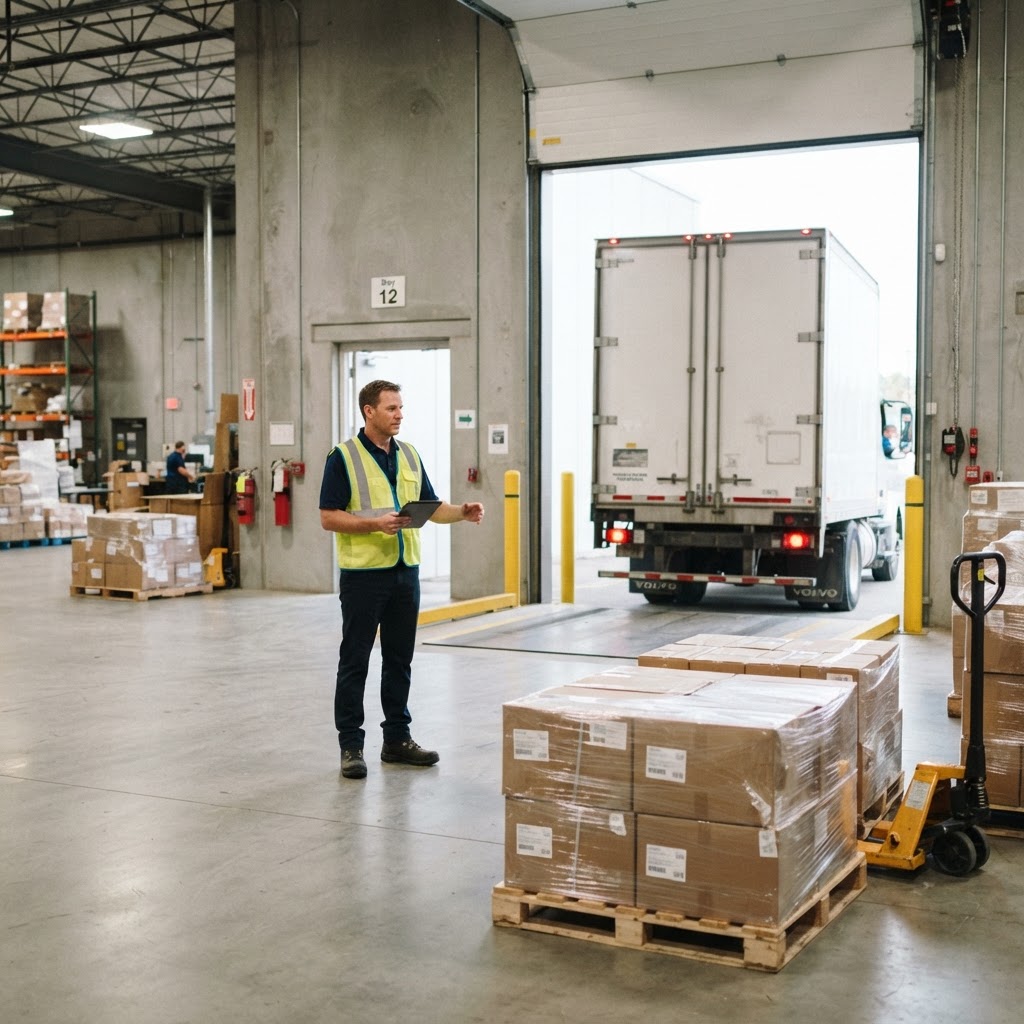
Quick Answer
Reliable LTL carriers combine documented safety practices, consistent pickup and delivery communication, transparent accessorial charges, and a service footprint that matches your lanes. For Canadian small businesses, comparing several qualified carriers on each shipment is often more dependable than relying on a single familiar provider or an opaque broker quote.
Introduction
LTL carriers let small businesses share trailer capacity, making pallet freight practical without buying a full truckload. The dependable option is the carrier that can serve your origin, destination, freight class, pickup conditions, and delivery requirements with clear documentation. This matters especially on Canada-U.S. moves, where a missed document or unsuitable bonded carrier can delay freight at the border. A low line-haul rate loses value quickly when appointments, reclassification, or incomplete shipping details create avoidable charges.
Key Takeaways:
Compare service commitments, safety controls, and final charges before booking.
Accurate pallet details prevent costly rework and transit disruptions.
Direct carrier access creates faster visibility across competing quotes.

How LTL Carriers Earn Small Business Trust
Reliability is measurable in the daily handoffs that determine whether freight is collected, secured, scanned, and delivered as promised. A carrier’s coverage map and published transit expectation matter, but so do its response when an address changes, a consignee needs an appointment, or a cross-border document requires correction. Review reliability metrics for carriers before making rate the deciding factor.
Check safety, freight handling, and service records
Start with the controls that protect cargo and keep commercial vehicles operating compliantly. Proper load securement helps prevent damage between terminals and at transfer points; review cargo securement guidance. Ask a carrier how it manages claims, status exceptions, subcontracted legs, and delivery appointments, then compare the answers alongside verified carrier performance ratings.
Safety monitoring: Confirm active federal and provincial compliance oversight.
Freight securement: Verify pallet condition, wrapping, and restraint expectations.
Exception process: Ask who contacts you when pickup or delivery changes.
Claims procedure: Request the documentation needed for damage or shortage claims.
Make shipment details part of your reliability test
Provide dimensions, weight, commodity description, pickup restrictions, receiving hours, and whether liftgate or appointment service is required. Accessorial charges can add significantly to the total, depending on the carrier and lane. For Canada-U.S. freight, identify the importer of record, customs broker, commercial invoice requirements, and whether the selected carrier is CBSA-approved and bonded.

Compare LTL Shipping Companies Without Guesswork
Small business freight services need a comparison process that captures total cost and operational fit, not merely the first quoted amount. Rate variation is real: the same lane can show differences of 20% to 40%, while allowing an additional day or two may reduce cost by 15% to 25% versus faster premium service. Those differences make quote comparison useful only when the underlying freight details and service terms are identical.
LTL broker vs direct carrier marketplace
A traditional broker may gather options on your behalf, while a direct-to-carrier freight platform lets you see carrier responses and book the selected option yourself. See this guide to selecting a carrier for additional evaluation considerations. The distinction is operational: direct visibility makes it easier to inspect transit time, booking fees, carrier rating, and exceptions before confirmation. Use a documented carrier-selection criteria checklist so every quote is judged against the same shipment requirements.
The comparison below shows the practical differences a small shipper should assess before choosing how to source domestic LTL shipping services in Canada. For provincial operating considerations, review provincial LTL freight requirements.
Decision factor | Traditional broker | Direct carrier marketplace |
|---|---|---|
Quote visibility | Broker-provided options | Carrier quotes shown side by side |
Rate comparison | Often handled through broker communication | Rates, transit, and fees reviewed before booking |
Carrier communication | Usually routed through broker | May include direct dispatch communication |
Pricing structure | Custom and broker-dependent | Platform-specific booking fee disclosure |
Carrier network | Broker-selected carrier relationships | Participating local and regional carriers |
Choose the process that gives your team enough evidence to validate the final shipment cost, the pickup plan, and the accountable party when a delivery exception occurs.
Use lane-specific comparisons instead of broad assumptions
Carriers serving Ontario and carriers serving Montreal can differ in terminal coverage, rural reach, border capability, and appointment handling, even when both quote the same pallet. A comparison of Canadian carriers should therefore be run for the actual postal codes and service conditions, not a generalized province-to-province estimate. Truxweb gives SMEs in Quebec and Ontario one request path to compare rates, transit times, carrier ratings, and booking fees from participating carriers.
Control costs without weakening delivery performance
To reduce LTL shipping costs, consolidate compatible freight, package pallets to prevent damage, and book standard service when the receiving deadline permits. A domestic shipment may take 2–5 business days depending on distance, while Vancouver-to-Halifax freight can take 7–10 business days depending on routing and terminals. For U.S. exports valued above $2,500 USD, electronic export information is mandatory, so confirm the filing workflow before the freight reaches the border.
Conclusion
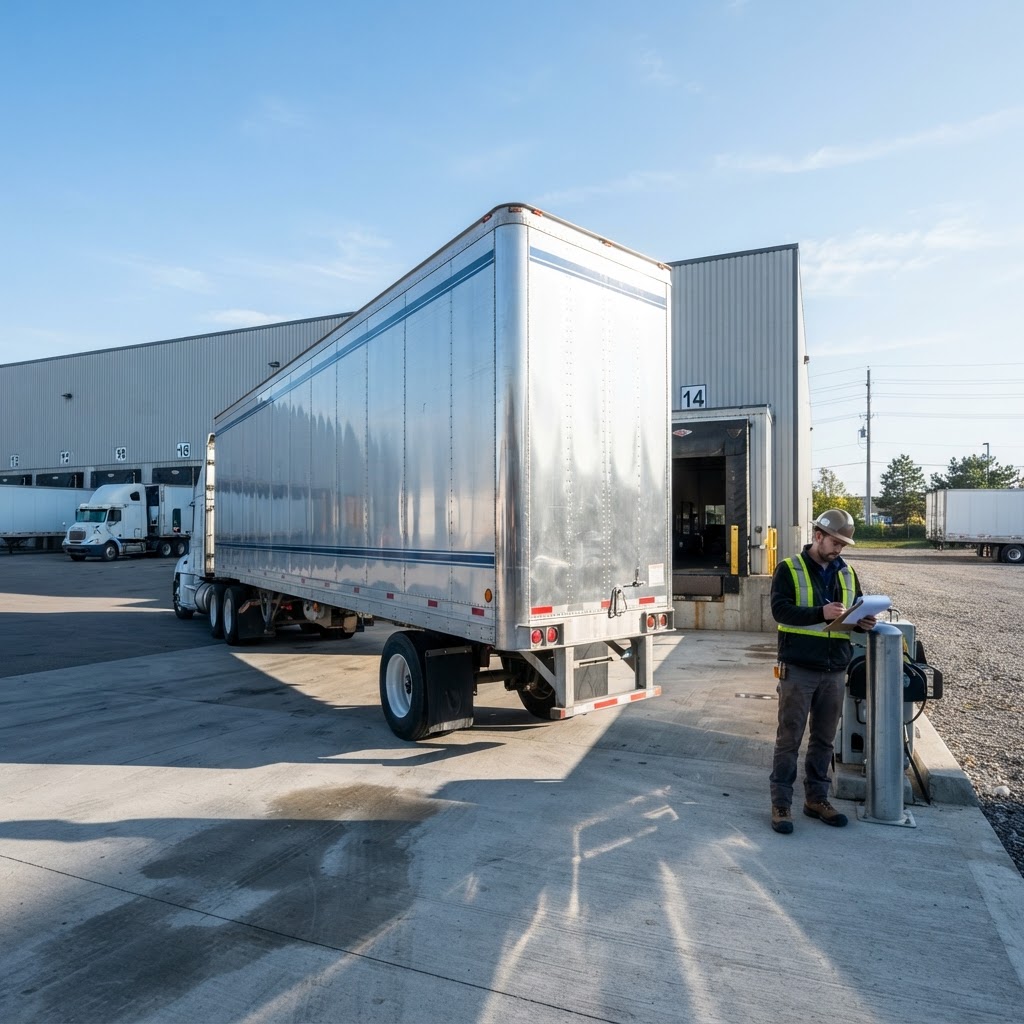
Reliable LTL shipping begins with complete shipment data, safety and service checks, and comparable quotes for the exact lane you need to move. Do not treat the lowest price as the final cost until accessorial services, transit expectations, and border responsibilities are clear. For SMEs shipping pallet freight across Canada or into the United States, Truxweb is the practical choice when direct carrier comparisons, transparent booking details, and support through operational exceptions matter. Build each booking around documented requirements so delivery performance becomes repeatable rather than hopeful.
Ready to compare qualified options for your next shipment? Explore freight booking with Truxweb for direct visibility into carrier quotes.
Frequently Asked Questions (FAQs)
What is LTL shipping?
LTL shipping is a freight method where multiple shippers share trailer space, allowing a business to move palletized goods without paying for an entire truck while charges reflect the shipment’s space, weight, lane, and required services.
Can small businesses get discounted LTL rates?
Small businesses can get discounted LTL rates when they compare comparable carrier quotes, provide accurate shipment information, and use standard transit when possible, because the same lane can have materially different carrier pricing and premium service costs.
How do I compare LTL carrier quotes online?
Compare LTL carrier quotes online by matching the same origin, destination, pallet dimensions, weight, freight description, accessorial needs, transit expectation, and total booking fees, then checking carrier ratings and exception communication procedures before booking.
Why is my LTL shipping so expensive?
LTL shipping is expensive when accessorial services, inaccurate freight details, remote delivery conditions, premium transit, dimensional space, or repeated handling increase the carrier’s cost, especially when the quote was built without complete pickup and delivery requirements.
How does Truxweb monitor carrier safety and compliance?
Truxweb monitors carrier safety and compliance daily through SaferWatch for federal and provincial requirements, and it requires carriers to maintain a minimum 95% satisfaction rating to remain on the marketplace.
Can I track my LTL freight in real time?
You can track LTL freight through carrier or platform status updates when available, and Truxweb provides automated real-time email alerts for dispatch, pickup, and delivery alongside an in-platform chat with carrier dispatch.
About the Author
Sarah Bennett is a Cross-Border Trade & Customs Specialist focused on freight compliance and Canada-U.S. shipping between Ontario, Quebec, and key U.S. markets. Her work emphasizes practical documentation, customs clearance, and carrier-selection processes that help businesses avoid preventable border and delivery disruptions.