

Quick Answer
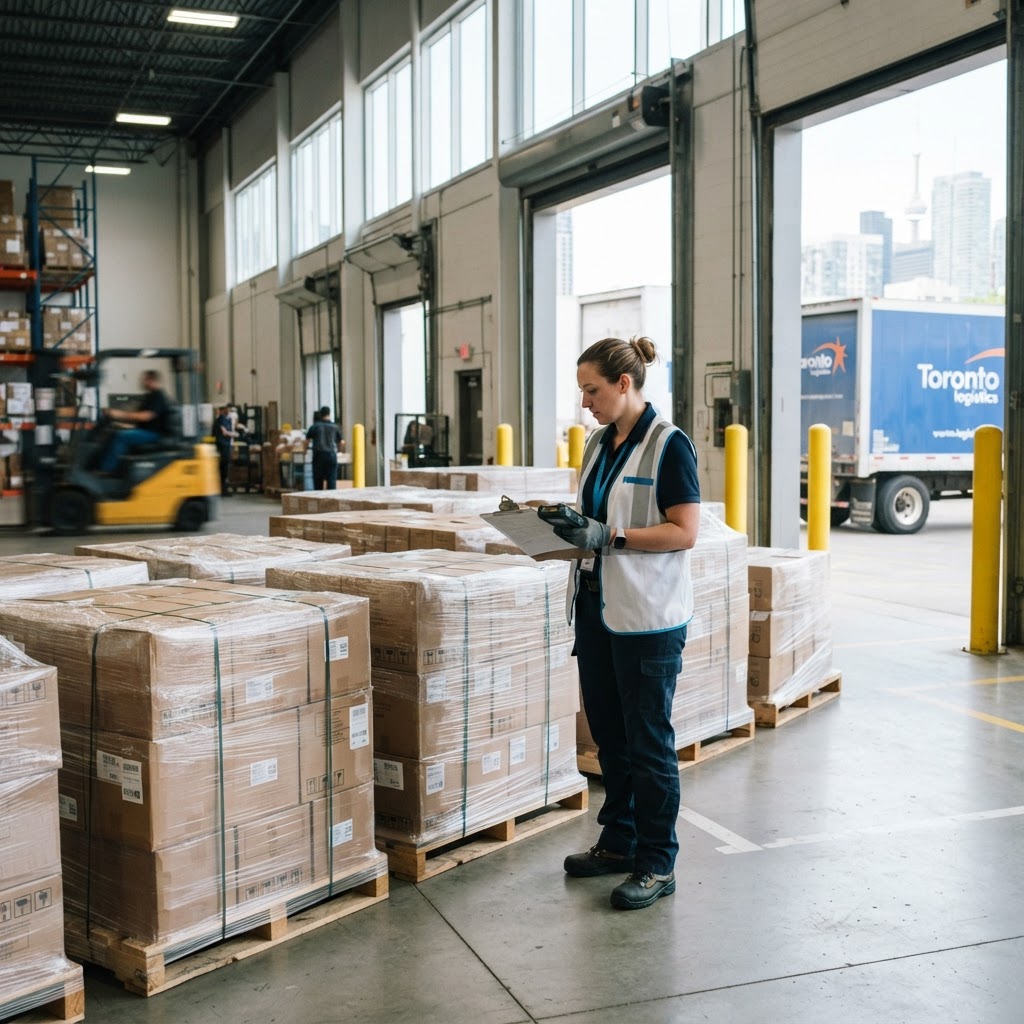
Proof of delivery confirms that freight reached the California consignee and records the delivery time, recipient acknowledgement, and any visible exceptions noted at handoff. For Ontario-to-California LTL freight, a complete electronic record is the most practical way to resolve delivery questions after cross-border transit, carrier transfers, and customs processing.
Introduction
A proof of delivery is the receiving-side evidence that protects a shipper when freight is reported missing, late, short, or damaged. It is not a substitute for the bill of lading, but it closes the shipment record by documenting what the consignee accepted at destination. For SMEs moving pallets across this long Canada-U.S. lane, delivery confirmation should be checked as carefully as pickup and border paperwork. A signature without recorded exceptions can make a later freight claim much harder to support.
Key Takeaways:
A POD should identify the shipment, consignee, delivery time, condition, and any exceptions.
Electronic records reduce the risk of unreadable, delayed, or misplaced delivery paperwork.
Shippers should review delivery exceptions immediately while carrier and receiver details are still available.

What a Proof of Delivery Records for Cross-Border Freight
A proof of delivery creates the final operational record for a shipment after it has moved from an Ontario shipper to a California receiver. The document should connect cleanly to the booking, bill of lading, customs references, carrier pickup record, and consignee acceptance, especially when more than one carrier handles the load.
Information a complete POD should include
A usable shipping proof of delivery must establish who received which freight, when they received it, and whether the delivery was accepted without visible concerns. Ask the carrier or platform to retain a legible record that can be matched to the original shipment reference.
Shipment reference: The PRO number, bill of lading number, or booking reference that ties the record to the correct freight.
Consignee details: The receiver name, delivery address, and the name or role of the person accepting the shipment.
Delivery event: The delivery date, time, and carrier status showing that the freight reached its destination.
Condition notes: Written exceptions for crushed cartons, torn wrap, shortages, refused pieces, or other visible issues.
Receiver acknowledgement: A signature, including a digital signature for freight delivery, or another recorded confirmation method.
Why the bill of lading and POD serve different purposes
The proof of delivery vs bill of lading distinction is simple: the bill of lading documents the carrier's receipt and transportation instructions at origin, while the POD documents delivery acceptance at destination. A Canadian bill of lading remains an important evidentiary shipping document, and the Bills of Lading Act addresses its evidentiary treatment regarding goods represented as shipped. Neither document should be treated as interchangeable with the other.
When a receiver signs “subject to inspection,” the wording may establish receipt but may not describe a specific visible exception. Shippers should ask consignees to note the actual issue at delivery whenever possible, because later photographs and inventory counts are easier to assess when the POD already flags a concern.
How Digital POD Improves Carrier Accountability
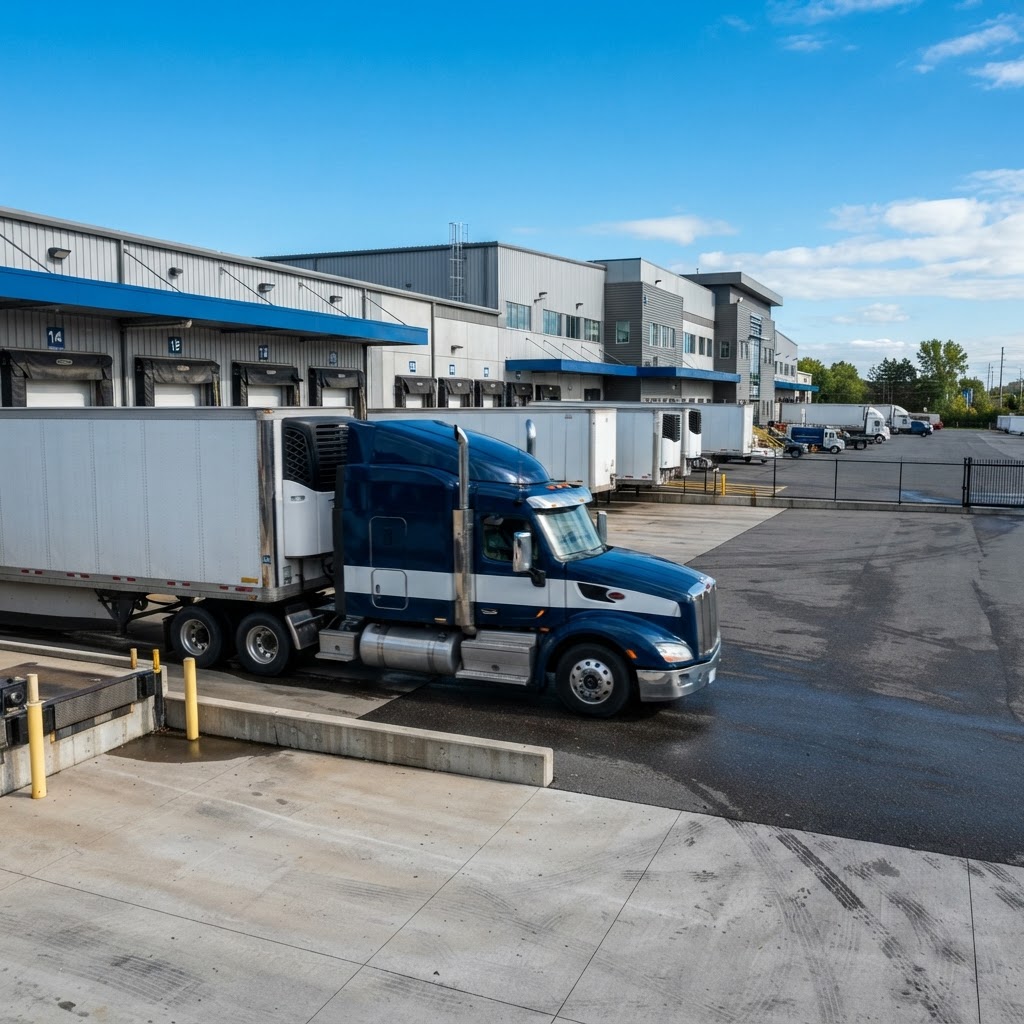
Electronic proof of delivery gives shippers faster access to the delivery record and a clearer audit trail than a paper document moving through dispatch offices. That matters on Ontario California LTL shipping, where a shipment can pass through terminals, border processes, and linehaul handoffs before the final-mile delivery event.
Digital versus paper delivery records
Digital vs paper proof of delivery is primarily a question of retrieval, legibility, and speed during a dispute. Both formats can record acceptance, but electronic records are easier to associate with shipment status alerts and supporting delivery evidence.
Decision factor | Paper POD | Electronic POD |
|---|---|---|
Access after delivery | May require scanning or dispatch follow-up | Can be attached to the shipment record |
Signature clarity | Can be difficult to read or reproduce | Can preserve a captured signature and event details |
Exception handling | Handwritten notes may be incomplete | Notes and delivery status can be stored together |
Claim preparation | Often depends on retrieving separate paperwork | Supports faster assembly of shipment evidence |
The practical advantage of a digital proof of delivery system is not merely convenience. It reduces the gap between delivery, exception reporting, and shipper review, which is where incomplete records often become expensive.
Keep customs and delivery records connected
Cross-border freight delivery verification works best when commercial, customs, carrier, and delivery references remain aligned from booking through final receipt. For consolidated freight, electronic house bill data may be presented up to 90 days before arrival, while supplementary cargo data may only be transmitted up to 30 days in advance under the freight-forwarder reporting requirements. Those border records do not replace a POD, but consistent references make it easier to trace a shipment when a delivery question arises.
How to Build a Reliable Delivery Verification Process
Reliable LTL freight proof of delivery begins before pickup, not after a consignee calls with a problem. The shipper should give the receiver clear inspection instructions, preserve matching shipment references, and establish who will review a delivery exception as soon as it is reported.
Set instructions at booking and pickup
Confirm the consignee’s receiving hours, contact details, unloading requirements, and authority to sign before the carrier is dispatched. Include the relevant order number or receiving reference on the bill of lading, then keep required shipping documents available to the people who may need to investigate a delay or claim.
A receiver should inspect visible packaging before signing, count palletized units where feasible, and write specific exceptions rather than relying on a general notation. Photographs, damaged packaging retention, and immediate communication with the carrier add useful evidence, but they are not replacements for an accurate delivery notation.
Use a platform record to follow the final handoff
For POD for less than truckload shipping, the most useful workflow combines carrier updates with one accessible shipment file. Truxweb provides a shipping dashboard, automated email alerts for dispatch, pickup, and delivery, plus in-platform chat with carrier dispatch, helping shippers follow the delivery event without relying on disconnected email chains.
Shippers should also keep an LTL documentation checklist that identifies the booking confirmation, bill of lading, customs documents, POD, and any exception photos needed for a complete file. If the shipment is cross-border, retain the related cross-border freight documents with the delivery record rather than storing them in separate folders.
Conclusion
Proof of delivery is the final confirmation that turns a freight movement into a documented delivery outcome. For Ontario-to-California shipments, a clear POD should be linked to the bill of lading, shipment references, customs file, and any receiver exceptions. Electronic records make retrieval and review more dependable, while precise consignee notes protect the shipper’s position when damage or shortage questions appear. The Truxweb shipping platform can help SMEs maintain visibility from booking through delivery confirmation.
Need a clearer record for your next cross-border load? Connect with Truxweb to manage LTL bookings and shipment updates in one place.
Frequently Asked Questions (FAQs)
What is proof of delivery in logistics?
Proof of delivery in logistics is a carrier-generated record showing that a consignee received a specific shipment, usually including the delivery event, receiver acknowledgement, and any notes about visible shortage, damage, or refusal.
How to get proof of delivery for freight?
To get proof of delivery for freight, request the completed delivery record from the carrier or access it through the shipment platform after the delivery status is confirmed, then save it with the bill of lading and related shipment file.
Why is proof of delivery important for shipping?
Proof of delivery is important for shipping because it establishes the documented point at which freight was tendered to the consignee, providing evidence for billing questions, customer service follow-up, and investigations involving alleged loss or visible damage.
Can I get digital proof of delivery for LTL?
Digital proof of delivery for LTL is available when the carrier or booking platform captures delivery status and receiver acknowledgement electronically, allowing the shipper to retrieve a record without waiting for a paper document to be returned and processed.
Is electronic signature valid as proof of delivery?
An electronic signature can serve as proof of delivery when it is captured within a reliable shipment record that identifies the delivery event and receiver, although the evidentiary value depends on the full record and the circumstances of a dispute.
What information is included in a proof of delivery?
A proof of delivery generally includes shipment identification, consignee location, delivery date and time, recipient acknowledgement, and any written exceptions, giving the parties a traceable account of what was presented and accepted at the final handoff.
About the Author
Sarah Bennett is a Cross-Border Trade & Customs Specialist focused on Canada-U.S. freight compliance, customs clearance, and shipping documentation. Her work emphasizes practical controls that help Ontario and Quebec businesses move freight into key U.S. markets with stronger records and fewer avoidable disputes.