

Quick Answer
Freight transport becomes manageable when you provide accurate shipment details, prepare freight for pickup, and choose a carrier based on service requirements rather than price alone. For most first-time shippers moving palletized goods, LTL shipping shares trailer space with other shipments and requires closer attention to dimensions, accessorial needs, and documentation.
Introduction
First-time freight transport does not require a logistics department, but it does require disciplined information. A carrier prices the shipment it is asked to move, so an incorrect weight, an omitted liftgate request, or an unclear pickup address can create adjustments and delays. Businesses shipping 1 to 8 pallets should treat the quote request as an operational record, not an estimate made from memory. The most expensive surprises usually begin before the truck arrives.
Key Takeaways:
Accurate dimensions, weight, and site details create a usable freight quote.
LTL shipments need secure packaging and a clear bill of lading before pickup.
Digital booking tools simplify comparison, communication, and shipment visibility.
Prepare the Shipment Before Requesting a Freight Quote
Preparation determines whether a quote can be booked without revision. Record the origin and destination postal codes, pickup and receiving hours, pallet count, total weight, pallet length, width, and height, then identify whether either location lacks a loading dock. These details let freight shipping companies match the shipment to equipment and service rules instead of discovering constraints at pickup.
Build an accurate shipment profile
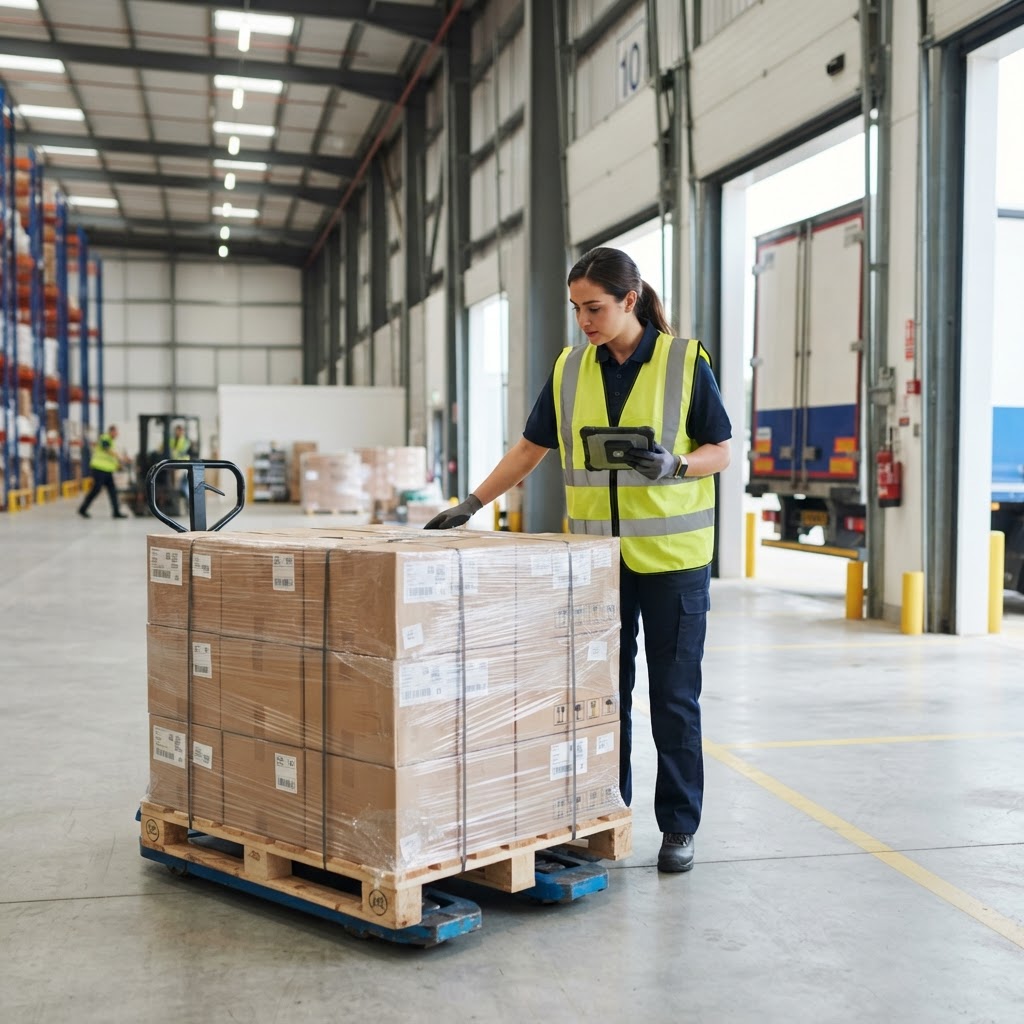
Measure the loaded pallet at its widest and tallest point, including overhang, shrink wrap, and corner protection. Use a repeatable checklist for pallet shipping steps, because a stable, labelled pallet is easier to handle through terminal transfers and less likely to arrive with a preventable exception.
Commodity: Describe the goods clearly and flag any handling restrictions.
Weight: Use the loaded pallet weight, not the product-only weight.
Dimensions: Capture each pallet separately when sizes differ.
Accessorials: Request liftgate, residential, appointment, or inside service when needed.
Contacts: Provide a person who can answer pickup or delivery questions.
Know which documents travel with the freight
The bill of lading identifies the shipper, consignee, goods, and carrier instructions, and its legal role is described in the bill of lading. Keep invoices, packing details, and any product-specific paperwork ready, then use a reviewable set of freight shipping documents before release. Cross-border movements may require carrier or forwarder reporting, while domestic moves generally rely on the shipping record and commercial information supplied by the shipper.

Compare LTL Quotes and Confirm the Right Service
An LTL quote should be compared on the complete service promise: total charge, transit expectation, carrier rating, pickup requirements, and delivery requirements. Price matters, but the lowest number can lose its value if it excludes equipment or location services that the shipment needs. An accurate freight quote starts with the same verified shipment profile sent to every carrier.
Understand what shapes LTL pricing
Freight class, density, distance, lane capacity, and accessorial services all affect the rate. Learn the freight class basics before booking, since a classification that does not match the commodity or dimensions can trigger a corrected invoice after carrier inspection.
For small business LTL shipping, compare the practical distinction in an LTL versus FTL shipping comparison. LTL consolidates compatible shipments in a shared trailer, while full truckload reserves truck capacity for one shipment, so the right choice depends on freight volume, handling tolerance, and delivery requirements rather than a universal rule.
Use a digital booking workflow
An online freight booking platform reduces the handoffs that make a first shipment hard to audit. Truxweb lets businesses compare carrier rates, transit speeds, and ratings in one workflow, then confirm the selected option and communicate with dispatch through the platform. That process gives a shipper a record of the details that were quoted and booked.
Track Pickup, Transit, and Delivery Exceptions
Once the booking is confirmed, freight logistics shifts from planning to execution. Send the bill of lading with the driver, make the pallet available during the agreed window, and ensure the pickup contact can authorize release. If the shipment crosses a border, the carrier and freight forwarder may have electronic reporting obligations; CBSA's highway pre-arrival reporting requirements state that specified highway cargo and conveyance information must be received and validated no later than one hour before arrival at the first point of arrival.
Watch for exceptions before they become claims
Tracking should show whether pickup occurred, whether the freight has moved through the network, and whether delivery is scheduled or delayed. For Canadian shipping, a freight shipping guide can help a new shipper recognize when to contact the carrier about a missed scan, damaged wrap, or a receiver who cannot accept the delivery.
Imported freight documentation also needs unique references. CBSA guidance states that highway cargo control numbers and conveyance reference numbers cannot be reused for three years beginning January 1 after their initial use, and it allows un-arrived cargo records to be cancelled when unused within 90 days. These controls sit with transportation providers, but shippers should preserve the reference information attached to their shipment.
Close the shipment at delivery
At delivery, the receiver should inspect visible condition before signing and note any shortage or damage on the delivery record. Retain photos, pallet counts, and correspondence if a problem appears, because a clear delivery record helps the carrier investigate quickly. For consolidated freight handled by a forwarder, cargo control documents support reporting when shipments are deconsolidated, while CBSA also permits electronic house bill data up to 90 days before arrival.
Use the next shipment to improve the process: compare quoted details with the final invoice, record recurring accessorials, and update the shipment profile. This turns occasional cargo shipping into a controlled routine instead of a series of urgent calls.
Conclusion
First-time shippers gain control by making the shipment description complete, choosing service deliberately, and documenting each handoff from pickup through delivery. Accurate information protects the quote, while organized records make exceptions easier to resolve. Truxweb can help businesses moving palletized freight compare carriers without relying on separate email chains. The result is a repeatable process that becomes more reliable with every shipment.
Ready to simplify your next shipment? Explore Truxweb freight booking and keep your carrier options in one place.
Frequently Asked Questions (FAQs)
What is LTL shipping and how does it work?
LTL shipping combines freight from multiple shippers in one trailer, so each shipper pays for the space and handling required by the individual palletized shipment rather than reserving an entire truck.
What documents are needed for LTL shipping?
Documents needed for LTL shipping usually include a bill of lading and commercial shipment details, while cross-border freight can require additional customs information that the carrier or freight forwarder uses for reporting.
How to book LTL freight online in Canada?
To book LTL freight online in Canada, enter complete origin, destination, dimensions, weight, commodity, and service requirements, then compare carrier options before confirming the shipment details.
How does LTL freight pricing work?
LTL freight pricing works by assessing the shipment's dimensions, weight, freight class, lane, available capacity, and required services, which is why incomplete quote details can lead to later changes.
Is LTL shipping better than full truckload?
LTL shipping is better than full truckload when a shipment does not need dedicated trailer capacity and can tolerate network handling, while a full truckload suits freight requiring exclusive space or direct movement.
What are the benefits of using a digital logistics platform?
The benefits of using a digital logistics platform include consolidated quote comparison, booking records, shipment updates, and direct communication channels that reduce manual coordination between a shipper and carrier.
About the Author
Daniel Park is a Freight Logistics Analyst covering LTL shipping, carrier performance, and supply chain operations across Ontario and Quebec. His work focuses on making freight pricing, carrier selection, and shipment visibility practical for small and medium-sized businesses.